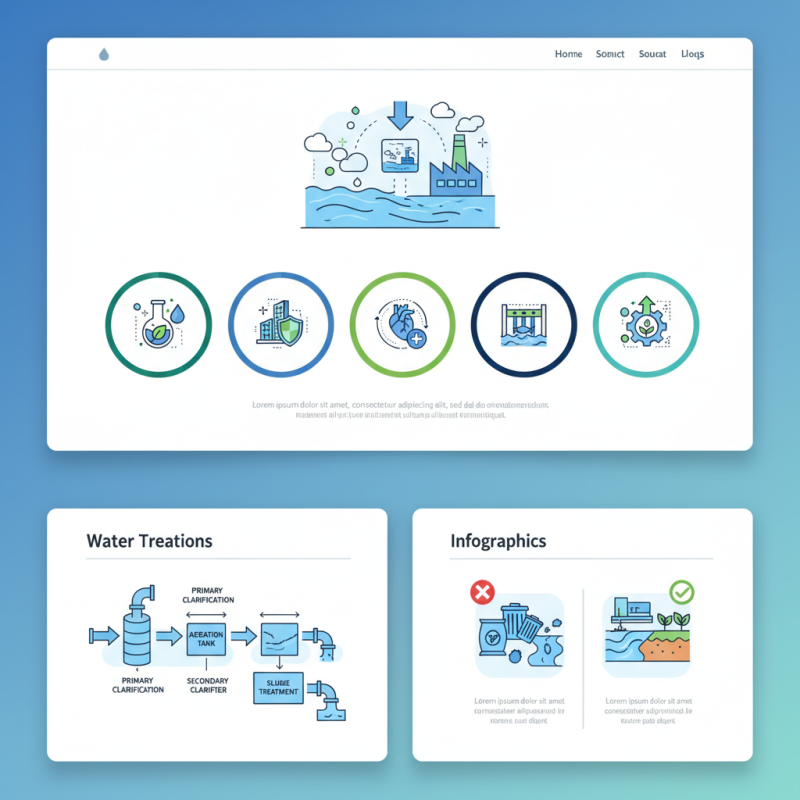
Sludge treatment is a critical process in managing wastewater. According to Dr. Emily Cook, a leading waste management expert, "Effective sludge treatment is vital for environmental health." This highlights its importance in urban planning and public health.
What is sludge treatment and why is it necessary? It addresses the challenge of managing solid waste from sewage. Proper treatment minimizes environmental pollution and protects water sources. Inefficient treatment can lead to severe ecological damage and health risks.
Moreover, neglecting sludge treatment can have dire consequences. Communities face increased flooding and contaminated water supplies. Investing in advanced sludge treatment solutions is not just beneficial but essential for sustainable development. The importance of understanding this topic cannot be overstated.
What is Sludge Treatment? An Overview of the Process
Sludge treatment refers to the processes used to manage and reduce the waste produced by wastewater treatment plants. This stage is crucial for environmental sustainability. Untreated sludge can pollute water bodies and harm aquatic life. According to the U.S. Environmental Protection Agency, around 8 million tons of sludge are generated annually in the U.S. alone. Proper treatment helps in converting waste into resources.
The sludge treatment process typically involves thickening, digestion, dewatering, and stabilization. Thickening reduces the volume of sludge, making it easier to handle. Digestion breaks down organic matter, resulting in biogas, a potential renewable energy source. Dewatering further reduces water content, making sludge easier to transport. The stabilized sludge can be used in agriculture or further processed for energy recovery.
Tip: Monitor local regulations to ensure compliance with sludge disposal practices. Each region may have specific guidelines on sludge use. It’s important to stay updated on these to avoid potential fines.
Not every sludge treatment process is perfect. Challenges include managing odors and the cost of advanced technologies. While some facilities may invest in state-of-the-art systems, many still rely on traditional methods. Continuous improvement in treatment processes remains a vital goal for the industry, as untreated sludge can lead to significant environmental problems.
Types of Sludge Generated in Wastewater Treatment Systems
Sludge is a byproduct of wastewater treatment and comes in various forms. Understanding sludge types helps us address environmental concerns effectively. Common types include primary sludge, secondary sludge, and tertiary sludge. Each type arises at different stages of the treatment process.
Primary sludge forms during the physical treatment phase. It consists of settled solids from the wastewater. Secondary sludge, on the other hand, is produced from biological processes. This sludge contains microorganisms that consume organic material. Tertiary sludge, which is less common, emerges from advanced treatment methods aimed at nutrient removal.
The composition of these sludges varies significantly. Primary sludge is rich in fats and oils, while secondary sludge is mostly organic matter. Tertiary sludge may contain residual nutrients and contaminants. Managing these types of sludge is crucial for efficient treatment. Each type presents unique challenges, requiring tailored treatment methods. Inadequate handling can lead to environmental issues. Awareness and effective management strategies matter in sludge treatment.
Types of Sludge Generated in Wastewater Treatment Systems
This chart illustrates the various types of sludge generated during wastewater treatment processes and their approximate volumes (in percentage) based on typical wastewater systems.
Environmental Impact: Why Sludge Treatment is Crucial
Sludge treatment plays a vital role in managing waste materials generated by wastewater treatment processes. According to the United Nations, nearly 80% of global wastewater flows back into the ecosystem without adequate treatment. This untreated sludge can cause severe environmental damage, affecting water quality, soil health, and biodiversity. Proper treatment reduces harmful pathogens and toxins, ensuring safer disposal or potential reuse.
In the United States alone, the Environmental Protection Agency reports that over 7 million tons of dry sludge is produced annually. Much of this is still inadequately treated, creating risks for human health and the environment. Inadequate sludge management can lead to nutrient loading in water bodies, resulting in algal blooms. These blooms deplete oxygen in the water and harm aquatic life. As such, effective sludge treatment not only mitigates health risks but also protects vital ecosystems.
Investing in advanced sludge treatment technologies is essential. Techniques like anaerobic digestion can convert waste into biogas, offering renewable energy. However, only about 35% of U.S. wastewater facilities utilize such innovations. This underutilization highlights a need for improved infrastructure and public awareness. Ensuring that sludge treatment methods are implemented effectively can significantly reduce adverse environmental impacts and enhance sustainability efforts worldwide.
Best 5 Reasons What is Sludge Treatment and Why it Matters? - Environmental Impact: Why Sludge Treatment is Crucial
| Reason |
Description |
Environmental Impact |
| Pollution Reduction |
Effective sludge treatment minimizes the release of harmful pollutants into water bodies. |
Decreases contamination levels in ecosystems. |
| Resource Recovery |
Allows for the recovery of valuable resources like nutrients and biogas from sludge. |
Promotes sustainable resource management and circular economy. |
| Public Health Protection |
Reduces the risk of pathogens and disease transmission from untreated sludge. |
Improves community health outcomes. |
| Regulatory Compliance |
Ensures adherence to environmental regulations concerning waste disposal. |
Helps prevent legal repercussions and environmental violations. |
| Soil Improvement |
Treated sludge can enhance soil quality when used in land applications. |
Boosts agricultural productivity and reduces chemical fertilizer use. |
Economic Benefits of Effective Sludge Management Practices
Effective sludge management is crucial for both environmental and economic reasons. Proper sludge treatment can lead to significant cost savings. Wastewater treatment facilities often face high operational costs. However, efficient sludge management practices can reduce these expenses. By optimizing the treatment process, facilities can limit energy consumption and minimize maintenance costs.
Moreover, beneficial reuse of treated sludge can open up new revenue streams. Treated sludge can be used in agriculture as a fertilizer. This not only provides a nutrient source for crops but also reduces the need for synthetic fertilizers. By transforming waste into a resource, facilities contribute to a circular economy. Additionally, by avoiding landfill disposal, they can further minimize expenses and environmental impact.
However, sludge management is not without challenges. Regulations can be complex and vary by location. Achieving compliance requires careful monitoring and adjustments. Facilities must invest in training and technology to stay ahead. Not all practices are effective everywhere; what works in one location may not in another. Institutions often need to continually assess their strategies for improvement.
Innovations in Sludge Treatment Technologies and Their Importance
Innovations in sludge treatment technologies are reshaping how wastewater is managed globally. According to the United Nations, about 80% of the world's wastewater is released untreated, leading to dire environmental consequences. New advancements aim to address these challenges more effectively.
Emerging technologies like anaerobic digestion and advanced filtration systems are pivotal. Anaerobic digestion not only reduces sludge mass but also produces biogas, which can be used as a renewable energy source. Additionally, technologies such as membrane bioreactors enhance the quality of treated water while minimizing space and operational costs. A study from the Water Environment Federation noted that implementation of these technologies can lead to a 20-50% reduction in operational costs.
Despite the progress, hurdles remain. Many facilities are still reliant on traditional methods, which can be less efficient. Transitioning to innovative solutions requires investment and training. It’s crucial to address these barriers to fully realize the potential of modern sludge treatment technologies. The journey toward improved practices is ongoing, with both challenges and opportunities present.
Conclusion
Sludge treatment refers to the processes involved in managing the byproducts of wastewater treatment, which is essential for environmental sustainability and public health. Understanding what is sludge treatment and why it is necessary is critical as it helps reduce the volume and toxicity of sludge, thereby minimizing its environmental impact. Various types of sludge are generated during wastewater processing, each requiring specific treatment methods to ensure safe disposal or beneficial reuse.
Effective sludge management not only protects ecosystems but also offers significant economic benefits by reducing waste treatment costs and enabling resource recovery, such as energy and nutrients. Moreover, ongoing innovations in sludge treatment technologies continue to enhance efficiency and sustainability in waste management practices, reinforcing the vital role of sludge treatment in our increasingly industrialized world.
 Olaprixa Industrial