Olaprixa Industrial
Wastewater treatment is a vital process for maintaining public health and environmental safety. It addresses issues stemming from urbanization and industrial activity. According to the World Health Organization, around 80% of all wastewater is released untreated globally. This creates serious environmental challenges and health risks. Understanding how does wastewater treatment work is crucial for sustainable development.
The process typically involves several stages: preliminary treatment, primary treatment, secondary treatment, and sometimes tertiary treatment. Each stage plays a pivotal role in removing contaminants. For instance, secondary treatment can reduce organic matter by as much as 90%, making the water safer for discharge or reuse. Yet, many facilities struggle with outdated technology and insufficient funding.
Despite advancements, gaps remain in treatment efficiency and reach. The Inspec report indicates that up to 2.5 billion people lack access to safe sanitation. This calls for innovative solutions and continuous improvement in wastewater management practices. Addressing these challenges effectively requires a commitment to enhancing infrastructure, public awareness, and regulatory frameworks.
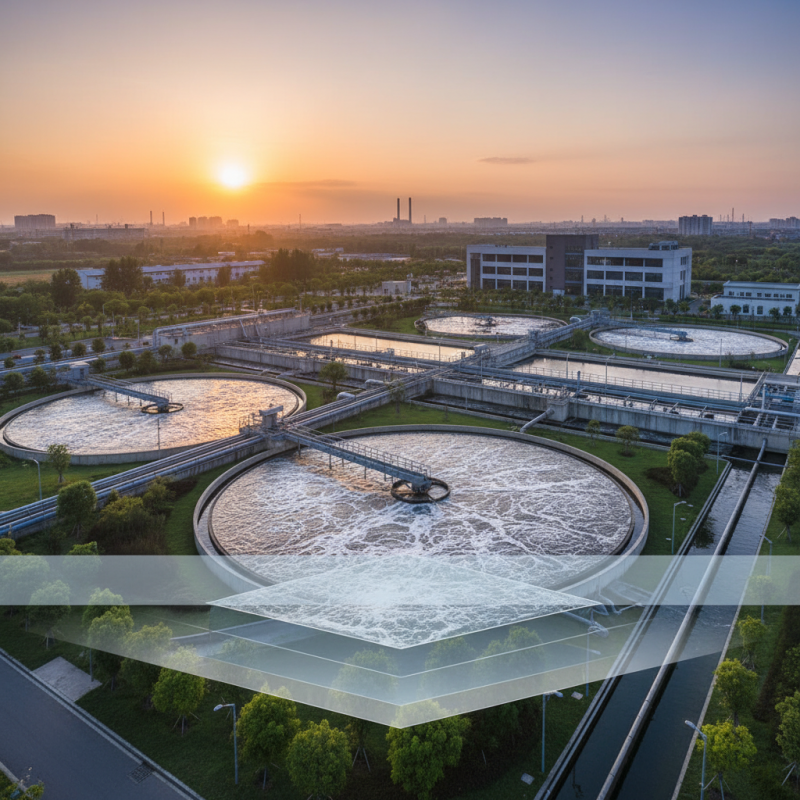
Wastewater plays a crucial role in environmental health. It refers to any water that has been contaminated by human activities. This includes everything from household waste to industrial discharge. Understanding wastewater is essential. Without proper treatment, it can lead to severe pollution and health risks.
Tips: Always be mindful of what goes down your drain. Every small action matters. Proper disposal of waste reduces contamination.
Treatment processes vary but generally involve several stages: collection, primary treatment, secondary treatment, and sometimes tertiary treatment. Each stage aims to remove different types of pollutants. However, not all systems are flawless. Some procedures may leave residual contaminants.
Tips: Regular checks on local wastewater systems can help catch issues early. Community awareness can drive improvements.
Inadequate treatment can result in harmful pathogens entering water bodies. This endangers aquatic life and human health. Education and regulation are key to advancing wastewater management. Awareness can lead us to better practices.
The wastewater treatment process involves several key steps that aim to cleanse used water before it is returned to the environment. Initially, the wastewater flows into a bar screen. Here, larger debris like plastic and sticks are removed. This step is vital for protecting equipment downstream.
Next, the water enters a sedimentation tank. In this tank, solids settle at the bottom, forming sludge. This natural process can take hours. However, not all contaminants are removed this way. Some organic materials remain dissolved in the water, which requires further treatment for complete purification.
Following sedimentation, biological treatment takes place. Aerobic bacteria break down organic matter in aeration tanks. This stage is crucial as it reduces harmful pollutants. Still, challenges exist. Not all pathogens are eliminated, leading to potential health risks if not addressed.
The final phase often includes disinfection, typically using chlorine or ultraviolet light. Even after this, some uncertainties linger about potential byproducts and their safety. The complexity of wastewater treatment showcases its importance in maintaining environmental health and human safety.
Wastewater treatment is essential for maintaining clean water in our environment. Among the various treatment methods, physical techniques play a crucial role. Screening is the first step in the process. It involves removing large debris like sticks, leaves, and plastic. This helps prevent damage to equipment downstream. However, screens can sometimes become clogged. Regular maintenance is necessary to ensure effectiveness.
Sedimentation follows screening. In this stage, wastewater is held in large tanks. Here, gravity allows heavier solids to settle at the bottom. Some facilities may find this process inefficient. It can result in some solids being left in the water. Adjusting sedimentation tank designs can improve performance.
Filtration is the next physical treatment method. This technique removes remaining particles from the water. Different types of filters are used, such as sand or gravel. Filters can become contaminated, impacting their ability to treat water effectively. It’s important to monitor and replace them regularly. Each of these methods contributes to a cleaner water supply, but they are not foolproof and require ongoing evaluation.
| Method | Description | Benefits | Limitations |
|---|---|---|---|
| Screening | The process of removing large solids from wastewater. | Prevents clogging in subsequent treatment processes. | Does not remove dissolved substances. |
| Sedimentation | A process where heavier solids settle at the bottom of a treatment tank. | Effective for reducing suspended solids. | Can be time-consuming and requires space for settling tanks. |
| Filtration | The process of passing water through a filter to remove impurities. | Highly effective in removing smaller particles and pathogens. | Requires regular maintenance and replacement of filter media. |
Biological treatment is crucial in wastewater management. It primarily involves two processes: aerobic and anaerobic.
Aerobic treatment utilizes oxygen. Microorganisms break down organic matter efficiently. This process occurs in aeration tanks, where air is pumped into the wastewater. The presence of oxygen encourages bacteria to multiply and digest waste faster.
On the other hand, anaerobic processes occur without oxygen. Specific bacteria thrive in oxygen-depleted environments. They convert waste into biogas and sludge. This method is slower but can be more effective for certain types of waste. It also produces energy in the form of biogas, which can be harnessed. However, anaerobic systems often require longer retention times.
Each method has its pros and cons. Aerobic processes are generally quicker, yet require energy for aeration. Anaerobic systems are energy efficient but can smell bad and need careful management. The balance between these methods often depends on the specific needs of the treatment facility. Understanding these differences can lead to better wastewater management practices.
Chemical treatment methods are vital in wastewater management. Coagulation and flocculation are two key processes used to remove contaminants. During coagulation, chemical agents neutralize charges on particles. This causes fine solids to clump together, forming larger aggregates known as flocs. According to the US Environmental Protection Agency (EPA), effective coagulation can reduce suspended solids by over 90%.
Flocculation follows coagulation. Here, gentle mixing encourages flocs to grow in size. Studies show that optimal floc size enhances sedimentation efficiency significantly. Moreover, disinfection practices are crucial for ensuring water safety. Chlorination is a common method, yet it raises concerns about byproducts. The World Health Organization (WHO) reports that proper disinfection can eliminate over 99.9% of pathogens, providing a safer end product.
These chemical methods are not flawless. Factors like pH levels and temperature can affect their efficiency. Too high or too low pH levels can hinder coagulation. Additionally, reliance on chemical treatments may lead to environmental risks. There is a need to continually assess and enhance these practices to achieve better water quality. While advancements in technology aid in monitoring, challenges remain in adapting to specific wastewater characteristics.
: Screening removes large debris to protect equipment. However, it can get clogged, needing regular maintenance.
Sedimentation uses gravity to settle heavier solids in tanks. Some solids may remain, making adjustments necessary.
Filtration removes remaining particles. Filters can become contaminated, impacting their performance, so monitoring is essential.
Coagulation neutralizes charges on particles, forming flocs. Flocculation encourages flocs to grow for better removal efficiency.
Proper disinfection can eliminate over 99.9% of pathogens. However, byproducts from chlorination raise safety concerns.
pH levels and temperature affect these processes. Deviations can hinder performance, revealing the need for constant evaluation.
No, they require ongoing assessment and improvement. Each method has weaknesses that can affect overall water quality.
Reliance on chemicals may pose risks to the environment. Continuous enhancement of methods is important to mitigate this.
Changing sedimentation tank designs can enhance settling efficiency. Sometimes, existing designs may not be effective enough.
Regular monitoring ensures filters function effectively. Contaminated filters can compromise the treatment process.
The article titled "Best Guide on How Wastewater Treatment Works" explores the critical role of wastewater in environmental health and outlines the essential steps and technologies involved in its treatment process. Understanding how does wastewater treatment work begins with defining wastewater and recognizing its significance in maintaining ecosystem balance. The treatment process is systematic, involving physical, biological, and chemical methods that ensure the safe disposal or reuse of treated water.
Key physical treatment methods include screening, sedimentation, and filtration, which remove solids and particles from the wastewater. Biological methods differentiate between aerobic and anaerobic processes, utilizing microorganisms to break down organic matter. Chemical treatments such as coagulation, flocculation, and disinfection are crucial for eliminating contaminants, ensuring the treated water meets safety standards before being released back into the environment or repurposed. This comprehensive approach underscores the importance of wastewater treatment in safeguarding public health and preserving natural resources.
