Olaprixa Industrial
Chemical dosing is a crucial process in water treatment systems. It ensures the safety and quality of drinking water. Understanding how does chemical dosing work in water treatment reveals its importance in maintaining public health.
In water treatment, various chemicals are added to help purify the water. These chemicals can include disinfectants, coagulants, and pH adjusters. Each plays a specific role, often in very precise amounts. For example, chlorine is commonly used to kill harmful microorganisms. However, if dosed incorrectly, it can lead to disinfection byproducts.
The effectiveness of chemical dosing relies heavily on measurement and monitoring. Errors in dosing can have significant consequences. They can compromise water quality and pose health risks. Therefore, water treatment facilities must continually assess their methods. This ensures they meet safety standards while optimizing treatment efficiency.
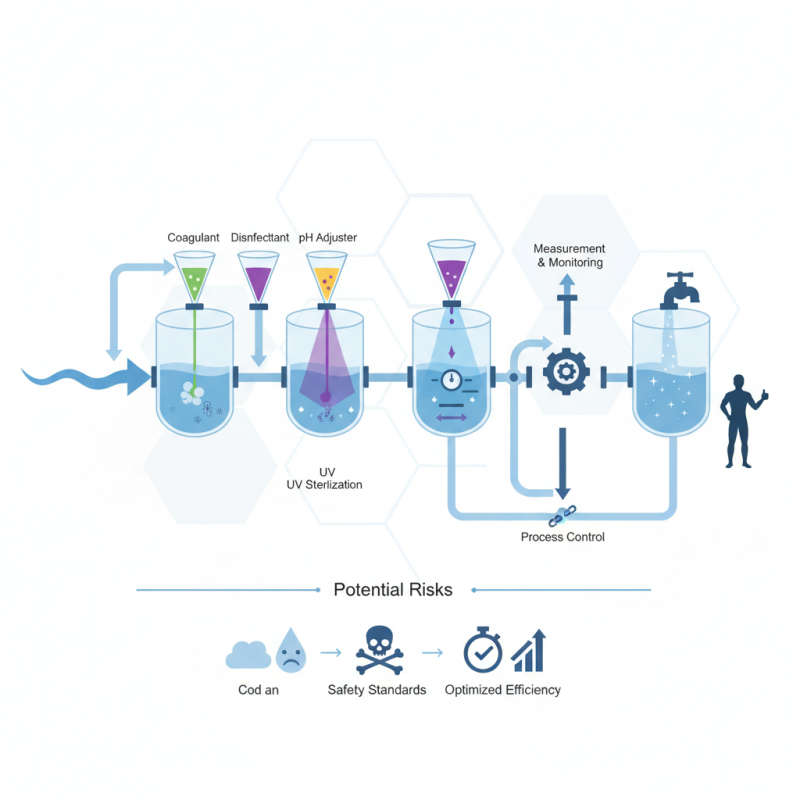
Chemical dosing is a critical component of water treatment systems. It involves the precise addition of chemicals to water to achieve desired purification levels. The process ensures contaminants, pathogens, and harmful substances are effectively removed. According to a 2022 report by the World Health Organization, nearly 2 billion people lack access to safe drinking water. Chemical dosing plays a vital role in making water safe for consumption.
In practice, chemical dosing requires careful monitoring. Chemicals like chlorine, coagulants, and pH adjusters are commonly used. Operators must regularly test water quality to determine the right dosing levels. Overdosing can lead to toxic byproducts. Under-dosing may leave harmful contaminants. Water treatment facilities often operate with complex algorithms to optimize dosage amounts. A 2023 study indicated that improved dosing accuracy can reduce chemical costs by 15%.
Tips: Regular calibration of dosing systems is essential. Check equipment daily to prevent inaccuracies. Always keep records of dosing levels and water quality metrics for compliance and future assessments. Continuous training for operators ensures adherence to safety protocols. Reflecting on dosing practices can reveal areas needing improvement and innovation.
| Chemical Type | Purpose | Dosing Method | Optimal Concentration (mg/L) | Monitoring Requirement |
|---|---|---|---|---|
| Chlorine | Disinfection | Gravity Feed | 1-5 | Regularly |
| Alum | Coagulation | Automatic Dosing Pump | 20-50 | Daily |
| Sodium Hydroxide | pH Adjustment | Volumetric Dosing | 50-200 | Weekly |
| Hydrogen Peroxide | Oxidation | Batch Dosing | 5-10 | Monthly |
| Phosphoric Acid | Corrosion Control | Continuous Dosing | 5-25 | Biweekly |
Chemical dosing plays a critical role in
water treatment systems. It helps regulate various water quality parameters, ensuring safe, clean water. The process involves the precise addition of chemicals, such as
coagulants, flocculants, and disinfectants, to alter water properties. For instance, coagulants like aluminum sulfate target suspended particles. This results in efficient sedimentation during water purification.
Efforts to control pH levels through chemical dosing are vital. According to the Water Environment Federation, optimal pH is crucial for both chemical efficacy and aquatic life. A balanced pH can prevent corrosion in pipes and improve the performance of treatment chemicals. However, operators must monitor pH closely. Overcorrection can lead to unwanted side effects, impacting water quality.
Tips: Regular calibration of dosing equipment ensures precise chemical applications. Understanding local water sources helps adapt dosing strategies effectively. Operators should also review dosing logs to identify trends and prevent overuse of chemicals. Addressing these areas fosters a more reliable treatment process and enhances water safety.
Water treatment systems rely on various chemicals to ensure safe and clean water.
Coagulants, such as alum, help to remove suspended particles.
These chemicals cause small particles to clump together, creating larger aggregates that can be easily filtered out.
Their effectiveness depends on the water's pH and temperature.
Improper dosing can lead to ineffective treatment and water quality issues.
Disinfectants, like chlorine and ozone, play a vital role in killing harmful microorganisms.
Chlorine is widely used due to its ability to remain active in water, providing residual protection.
However, using too much can produce harmful byproducts.
Ozone is a powerful alternative that decomposes quickly but lacks residual properties.
This trade-off must be carefully managed to ensure safety.
pH adjusters are also essential in water treatment.
These chemicals help manage acidity levels.
Too acidic or too alkaline water can harm treatment equipment and affect overall effectiveness.
This requires constant monitoring and adjustment.
It’s a delicate balance; failures can lead to compromised water safety.
Each type of chemical has its pros and cons, necessitating thorough evaluation and expertise in dosing practices.
Dosing technologies play a crucial role in water treatment systems. These methods ensure the precise application of chemicals necessary for maintaining water quality. Accurate dosing prevents overdosing or underdosing, which can lead to ineffective treatment. Several technologies are commonly used for this purpose.
One popular method is the use of positive displacement pumps. They deliver a fixed volume of chemical with each stroke. This ensures consistency. Another method is the use of electronic dosing pumps. They offer high accuracy and can adjust the flow rate based on real-time data. This adaptability is vital in dynamic water treatment environments.
However, implementing these technologies is not without challenges. Calibration is essential to avoid errors. Regular maintenance ensures that equipment runs smoothly. Operators must be trained to understand the system's complexities. Even with advanced technologies, human oversight remains critical. The integration of automation can help, but it is not a foolproof solution. Reflection on these practices can lead to improvements. Continuous learning is key in the evolving field of water treatment.
Chemical dosing is a critical component in water treatment systems. It involves careful measurement and addition of chemicals to achieve desired water quality. Monitoring this process ensures compliance with safety standards and environmental regulations. Frequent checks of chemical concentrations can prevent over-dosing, which may lead to operational inefficiencies.
Adjustments might be necessary based on changing water conditions. For instance, seasonal variations can affect chemical demands. Operators should regularly assess water sources for quality changes. Using automation tools can enhance precision, but they require periodic calibration. Human oversight remains vital. A miscalculation can result in suboptimal treatments.
Best practices include maintaining a detailed log of chemical dosing activities. This record enables trend analysis over time. Staff training is also essential; employee awareness of chemical handling ensures safety and efficiency. Even with robust systems, errors happen. Reflecting on past incidents can lead to improvements in the dosing process. Creating a culture of continuous improvement is valuable for long-term effectiveness in water treatment.
This chart represents the average chemical dosing levels (in mg/L) for various chemicals commonly used in water treatment systems. Proper monitoring and adjusting of these chemical doses is crucial for maintaining water quality and system efficiency.
: Chemical dosing involves adding chemicals to water for purification. It ensures contaminants and pathogens are removed effectively.
Many people lack access to safe drinking water. Proper dosing makes water safe for consumption.
Common chemicals include chlorine, coagulants, and pH adjusters. Each has a specific role in the treatment process.
Overdosing can generate toxic byproducts. It poses significant risks to human health and water safety.
Regular monitoring helps determine correct dosing levels. It prevents both overdosing and under-dosing of harmful chemicals.
Improper pH can harm equipment and treatment efficiency. Continuous adjustments are necessary for optimal performance.
Operators should regularly calibrate dosing systems. Keeping detailed records of dosing levels helps maintain compliance.
Reflecting on current practices can reveal areas for improvement. Continuous training enhances operator knowledge and safety protocols.
Chlorine has residual protection but can create harmful byproducts if overdosed. Balancing its use is crucial for safety.
Coagulants remove suspended particles by clumping them. Their effectiveness depends on water’s pH and temperature, needing careful dosing.
Chemical dosing is a crucial component in water treatment systems, designed to enhance water quality by adding specific chemicals at calculated amounts. This process involves understanding how does chemical dosing work in water treatment to effectively control various water quality parameters such as pH, disinfectant levels, and sediment removal.
Different types of chemicals, including coagulants, disinfectants, and pH adjusters, are utilized based on the treatment objectives. Advanced dosing technologies ensure precise application, minimizing waste and optimizing treatment efficiency. To maintain efficacy, it's essential to continuously monitor and adjust chemical dosing, adhering to best practices in the industry. This strategic approach not only safeguards water quality but also promotes sustainability and efficiency within water treatment operations.