 Olaprixa Industrial
Choosing China’s best commonly used water treatment chemicals requires more than comparing prices or product labels. Treatment operators often ask, “what chemicals are commonly used in water treatment?” The practical answer includes coagulants, flocculants, disinfectants, pH adjusters, scale inhibitors, and activated carbon. Each chemical addresses a different problem, from cloudy river water to hard industrial process water.
In China, polyaluminum chloride and ferric-based coagulants are widely used for suspended solids removal. Polyacrylamide can improve floc formation when dosage and mixing conditions are controlled. Sodium hypochlorite remains common for disinfection, while sodium hydroxide and sulfuric acid help correct pH. Antiscalants are frequently selected for reverse osmosis systems. Still, “best” depends on water analysis, equipment design, temperature, and discharge requirements.
Small dosage changes matter. A clear jar test can reveal more than a polished brochure. Experienced technicians usually test turbidity, alkalinity, conductivity, organic load, and residual disinfectant before recommending a product. They also review technical data sheets, safety information, batch consistency, and supplier quality records. This protects workers and supports reliable treatment results.
Some choices are not perfect. A chemical may perform well in one factory but create excess sludge elsewhere. Overdosing can increase operating costs and complicate disposal. Therefore, responsible selection should combine laboratory testing, pilot trials, professional supervision, and compliance with applicable standards. Reliable suppliers explain limitations openly, not only advantages. That honesty matters when clean water, public health, and long-term equipment performance are involved.
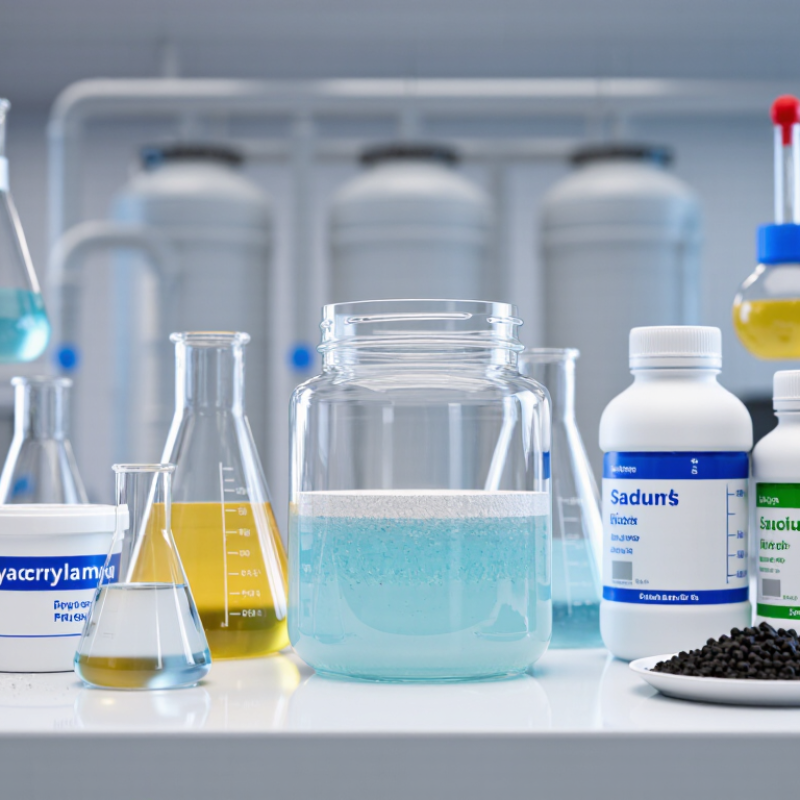
China’s water treatment sector uses several chemical groups, depending on water quality and treatment goals. In municipal plants, polyaluminum chloride, ferric chloride, and aluminum sulfate are common coagulants. They help gather fine particles into larger flocs for easier removal. Polymer aids may strengthen these flocs and improve settling. Small doses matter.
For disinfection, sodium hypochlorite remains widely used because it is practical for many facilities. Chlorine gas is also applied in controlled municipal systems, while chlorine dioxide serves selected treatment needs. Operators monitor contact time, pH, and residual disinfectant carefully. Excess disinfectant can create taste, odor, or unwanted by-products. Insufficient dosing creates a different risk.
Water plants also use lime, sodium hydroxide, hydrochloric acid, and sulfuric acid for pH adjustment. Industrial systems may add antiscalants, activated carbon, or specialty coagulants before membrane treatment. However, no chemical works equally well everywhere. Raw water changes with rainfall, temperature, and pollution levels. A common mistake is treating a standard dosage as permanent. Operators should confirm performance through jar tests, laboratory checks, and routine field records. In practice, experience still needs measurement.
| No. | Chemical | Main Treatment Function | Common Water Applications in China | Typical Commercial Form | Typical Operating Purpose | Relative Use Frequency | Important Handling Consideration |
|---|---|---|---|---|---|---|---|
| 1 | Polyaluminium Chloride (PAC) | Coagulation and removal of suspended solids, colloids, color, and part of the organic matter | Municipal drinking-water treatment, industrial wastewater, surface-water clarification, and sludge conditioning | Powder or liquid solution | Destabilizes fine particles so they can form larger flocs for sedimentation or filtration | Very high | Optimum dosage depends on raw-water turbidity, alkalinity, pH, and temperature; excessive dosage may increase residual aluminum |
| 2 | Polyacrylamide (PAM) | Flocculation and sludge dewatering | Municipal wastewater, industrial wastewater, mining water, paper manufacturing, and sludge-treatment facilities | Anionic, cationic, or nonionic powder; prepared as a dilute solution before use | Bridges small particles into stronger flocs and improves solid-liquid separation | Very high | Polymer type and charge density must match the wastewater; dry powder can create slip hazards and should be added gradually |
| 3 | Ferric Chloride | Coagulation, phosphorus removal, color reduction, and sulfide control | Municipal wastewater, industrial effluent, phosphorus removal, and odor-control systems | Liquid solution or solid form | Forms ferric hydroxide flocs that capture suspended matter and precipitate phosphate | High | Corrosive and acidic; requires compatible storage tanks, piping, ventilation, and appropriate protective equipment |
| 4 | Aluminum Sulfate | Coagulation and clarification | Drinking-water plants, surface-water treatment, wastewater clarification, and some industrial process-water systems | Solid crystals, granules, or liquid solution | Hydrolyzes in water to form aluminum hydroxide flocs that remove turbidity and colloidal particles | High | Consumes alkalinity and may lower pH; dosage should be controlled according to jar tests and treated-water requirements |
| 5 | Sodium Hypochlorite | Disinfection and oxidation | Drinking-water disinfection, municipal wastewater, industrial reuse water, and pipeline or tank sanitation | Aqueous solution | Releases available chlorine to inactivate bacteria, viruses, and other microorganisms | Very high | Decomposes with heat, light, and time; must not be mixed with acids or ammonia because hazardous gases may form |
| 6 | Chlorine Gas | High-capacity disinfection and oxidation | Large municipal drinking-water and wastewater treatment facilities with established chlorine-handling systems | Compressed liquefied gas in cylinders or containers | Provides a strong and economical disinfectant residual for large water flows | High in large plants | Highly toxic and hazardous if released; requires leak detection, emergency ventilation, scrubber systems, and trained operators |
| 7 | Calcium Hypochlorite | Disinfection and oxidation | Small and medium-sized water plants, emergency disinfection, swimming pools, rural water systems, and sanitation applications | Granules or tablets | Releases available chlorine when dissolved in water | High | Strong oxidizer; store in a cool, dry, ventilated area away from acids, organic materials, and reducing agents |
| 8 | Sodium Hydroxide (Caustic Soda) | pH adjustment, alkalinity control, neutralization, and chemical cleaning | Industrial wastewater neutralization, drinking-water pH correction, membrane systems, and ion-exchange regeneration | Solid flakes, beads, or liquid solution | Raises pH and alkalinity and helps neutralize acidic wastewater | High | Highly corrosive; dilution generates heat and should be performed by controlled addition with suitable protective equipment |
| 9 | Hydrochloric Acid | pH reduction, neutralization, and mineral-scale removal | Industrial wastewater, boiler and cooling-water systems, membrane cleaning, and ion-exchange regeneration | Aqueous solution | Lowers pH and dissolves carbonate scale and certain mineral deposits | High | Corrosive and fuming; must be stored separately from oxidizers, alkalis, and hypochlorite products |
| 10 | Sulfuric Acid | pH adjustment, alkalinity reduction, and regeneration of selected treatment systems | Industrial wastewater, cooling-water control, process-water treatment, and large-scale pH correction | Concentrated or diluted liquid solution | Reduces pH and neutralizes alkaline water or wastewater | High | Highly corrosive and strongly exothermic when mixed with water; acid should be added slowly to water, never the reverse |
| 11 | Lime (Calcium Hydroxide) | pH adjustment, softening, precipitation, and sludge conditioning | Drinking-water softening, industrial wastewater, acid-mine drainage, and heavy-metal precipitation | Powder or prepared lime slurry | Raises pH and precipitates hardness, phosphate, and some dissolved metals | High | Dust can irritate the respiratory system and eyes; slurry systems require agitation to prevent settling |
| 12 | Activated Carbon | Adsorption of organic compounds, taste, odor, color, and selected micropollutants | Drinking-water polishing, industrial wastewater, groundwater remediation, and advanced water reuse | Granular activated carbon or powdered activated carbon | Captures dissolved contaminants through a porous carbon surface | Medium to high | Performance depends on contaminant concentration, contact time, carbon properties, and organic loading; spent carbon requires proper management |
| 13 | Sodium Metabisulfite | Dechlorination and reduction of oxidants | Reverse-osmosis pretreatment, membrane water treatment, industrial wastewater, and process-water systems | Powder or crystalline solid | Removes residual chlorine that could damage polyamide reverse-osmosis membranes | Medium to high | Releases sulfur dioxide under acidic conditions; overdosing can consume dissolved oxygen and should be monitored |
| 14 | Scale Inhibitors | Control of mineral scaling on membranes, heat exchangers, and piping | Reverse osmosis, nanofiltration, cooling-water systems, boiler feedwater, and industrial water reuse | Liquid formulated solution | Reduces precipitation and crystal growth from calcium carbonate, sulfate, and related salts | Medium to high | Selection must consider feed-water chemistry, membrane compatibility, recovery rate, and discharge requirements |
| 15 | Biocides and Microbial Control Agents | Control of bacteria, algae, fungi, and biofilm | Cooling-water systems, industrial circulating water, membrane pretreatment, and process-water systems | Liquid or solid formulations | Limits biological growth that can cause fouling, odor, corrosion, and reduced heat-transfer efficiency | Medium to high | Product selection must account for toxicity, discharge limits, material compatibility, and resistance-management requirements |
Common coagulants include polyaluminum chloride, ferric chloride, and aluminum sulfate. They gather tiny particles into larger flocs for removal.
Polymer aids can strengthen flocs and help them settle faster. Small doses matter. Too much may reduce performance.
Sodium hypochlorite is widely used. Some controlled facilities use chlorine gas or chlorine dioxide for specific treatment needs.
Excess disinfectant may create taste, odor, or unwanted by-products. Insufficient dosing may leave microbial risks. Balance is difficult.
Lime, sodium hydroxide, hydrochloric acid, and sulfuric acid can adjust pH. Operators should measure pH during operation.
They should check turbidity, pH, alkalinity, hardness, organic matter, and microbial risk. Rainfall can change these results quickly.
A jar test shows whether a coagulant forms firm, settling flocs. Weak mixing leaves cloudy water. Excessive mixing breaks flocs.
Store acids, alkalis, oxidizers, and incompatible chemicals separately. Label every container clearly. Use ventilation in enclosed dosing areas.
Wear chemical-resistant gloves, eye protection, and suitable work clothing. Follow the current safety data sheet and local requirements.
Raw-water quality, temperature, pipe condition, and pump settings can change treatment results. A standard dose is not permanent. Mistakes happen.
Water treatment in China relies on a range of chemicals selected according to water quality, treatment objectives, and operating conditions. The question “what chemicals are commonly used in water treatment” generally includes coagulants such as aluminum- or iron-based compounds, flocculants that help suspended particles form larger, removable masses, and disinfectants used to control harmful microorganisms. Other important chemical groups support pH adjustment, reduce corrosion, and prevent the formation of mineral scale in pipelines, tanks, and equipment.
Choosing the right chemical requires evaluating raw water characteristics, dosage requirements, treatment efficiency, compatibility with equipment, and the quality standards for the treated water. Safe use also depends on accurate dosing, proper storage, suitable protective equipment, ventilation, and regular monitoring. Operators should follow technical instructions, avoid mixing incompatible substances, and manage chemical residues responsibly. A balanced treatment plan can improve water clarity, hygiene, system stability, and long-term operational efficiency.
