Olaprixa Industrial
China’s wastewater plants face a practical challenge: removing pollution also creates sludge. The US Environmental Protection Agency’s 2018 national survey estimated that the United States generated about 7.1 million dry metric tons of biosolids in 2018. The figure is not a measure of China’s output, but it shows the scale of the management task. For Chinese utilities, reducing sludge means more than lowering disposal costs. It can also ease pressure on dewatering equipment, storage areas, and transport schedules.
The question is how to reduce sludge production in treatment plants without weakening treatment performance. The answer starts with careful process control. Operators can check dissolved oxygen, sludge age, return rates, and influent loading, then compare the results with routine solids measurements. Small changes matter. A poorly calibrated pump may quietly increase energy use or disrupt settling. Source control and well-managed biological processes can also limit avoidable solids formation, though results depend on wastewater composition and plant design.
There is no single fix. The US EPA report documents generation and management; it does not prescribe one universal reduction method. Plant teams should test changes against effluent quality and operating records before scaling them up. I cannot verify a reliable, verbatim statement from a named industry expert on this specific question, so I will not invent a quotation. That gap matters. Good sludge strategies need measured evidence, transparent assumptions, and local operating data—not promises of dramatic reductions.
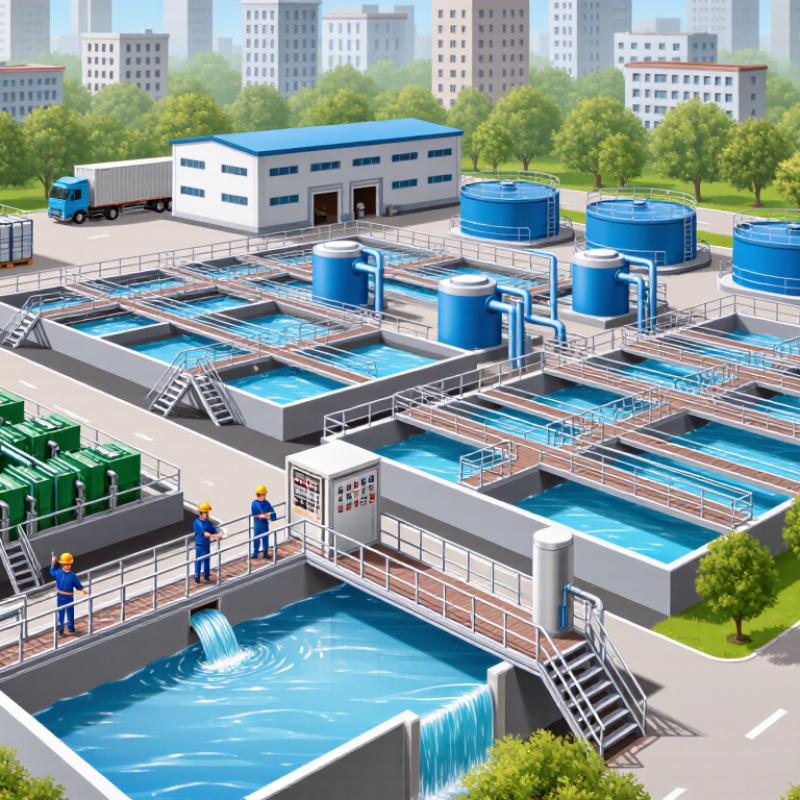
Sludge production begins with what wastewater carries into a treatment plant. Suspended solids become primary sludge, while microorganisms create waste activated sludge. Chemical phosphorus removal can add more inorganic solids. Water also dominates the weight. A thick, wet cake may look enormous, although its dry solids content remains modest.
The scale is significant. Eurostat reported approximately 10.6 million tonnes of dry sewage sludge from EU wastewater treatment in 2020. In the United States, the Environmental Protection Agency estimates about 7.2 million dry metric tonnes of biosolids are generated annually. China’s urban wastewater capacity has expanded rapidly, so sludge quantities also rise with collection coverage and stricter discharge controls. More treatment can mean more sludge. That detail is often overlooked.
Operators can reduce production by controlling solids at the source. Food waste, sand, and industrial particles should not enter biological tanks unnecessarily. Stable dissolved oxygen and carefully adjusted sludge age can prevent excessive biomass growth. Longer sludge retention may improve digestion, but it can also increase maintenance demands. There is no universal setting. Thickening and dewatering reduce transport volume, not dry solids. Anaerobic digestion can convert part of the organic fraction into biogas and stabilized residue. Field records should track kilograms of dry solids per kilogram of pollutant removed. Visual volume alone misleads. I have seen a smaller cake hide higher solids content, which changes the real performance assessment.
Excess sludge rarely comes from one mistake. In wastewater plants, the clearest clue is often a rising wasting volume with unchanged flow. Operators should compare daily influent load, mixed liquor suspended solids, sludge age, and settleability. A sudden increase in food waste or suspended solids can feed rapid biomass growth. More food means more cells. Maybe too simple, but this relationship is often overlooked.
High food-to-microorganism loading can create abundant new biomass, especially when readily biodegradable organic matter enters the aeration tank. A short sludge age may also increase production because fewer organisms remain long enough for decay. Chemical phosphorus removal adds another source: precipitated solids increase the inorganic fraction of waste sludge.
Poor return sludge control can distort tank conditions and encourage unstable settling. Low dissolved oxygen, uneven mixing, or toxic influent shocks may weaken microorganisms and produce cloudy, poorly settling sludge. The volume looks excessive, even when biological growth is not the only cause.
Field checks should include flow-proportional sampling, oxygen readings at several tank points, and weekly solids testing. Inspect the sludge blanket after quiet settling. Record rain events and chemical doses. A single grab sample is not enough. I have seen teams increase wasting before checking a faulty flow meter. That response reduced the tank level briefly, but it did not solve the loading problem. Seasonal changes, unnoticed industrial discharge, and inaccurate laboratory measurements also deserve review. The diagnosis may remain uncertain for several days.
China Best Sludge Treatment: How to Reduce Sludge Production?
Optimizing treatment processes can reduce sludge generation before disposal becomes a daily burden. Start by checking influent flow and pollutant levels. Sudden changes can overload biological treatment and create excess biomass. Stable aeration, balanced nutrient supply, and careful control of sludge age help microorganisms use available food efficiently. Operators can track dissolved oxygen, settleability, and sludge volume each shift. Small changes matter. For example, reducing excessive aeration may lower energy use without harming treatment, but only when monitoring confirms stable water quality.
Tips: Review sludge production alongside flow and treatment performance, not as a single number. Calibrate meters regularly, and record process changes. Consider gradual adjustments to wasting rates rather than making large corrections at once. A jar test can help assess settling behavior before changing coagulant doses. Keep clear operating records.
No single setting works for every plant. Wastewater composition, temperature, and equipment differ, so results need verification over time. Some biological strategies may reduce solids, yet they can also affect process stability if applied too aggressively. That is the part worth questioning. Compare dry-solids output before and after each adjustment, and confirm that effluent quality remains consistent. If sludge production rises unexpectedly, inspect pumps, return flows, and sampling methods before changing the whole process.
How to reduce sludge production
Anaerobic and aerobic digestion stabilize sludge by destroying part of its volatile solids. The ranges shown are indicative values reported in wastewater-engineering references, not guaranteed plant-specific outcomes; actual results depend on sludge characteristics and operating conditions. Track volatile-solids reduction alongside dry-solids production when optimizing treatment.
Sources: U.S. EPA, Biosolids Technology Fact Sheet: Use of Microorganisms to Treat Organic Contaminants; Metcalf & Eddy, Wastewater Engineering: Treatment and Resource Recovery, 5th ed. Values are indicative reference ranges.
Applying Sludge Reduction Technologies and Practices
Reducing sludge starts with understanding what enters the treatment plant. Track daily flow, suspended solids, and sludge volume; a simple weekly chart can reveal unusual spikes. Keep screens and settling tanks in good condition, since poor separation can send extra solids into later stages. Biological treatment settings also matter. Operators can adjust aeration and sludge age based on measured process conditions, rather than relying on fixed settings. Changes should be gradual, with samples checked before and after each adjustment.
Tips: Check sludge volume at the same time each day. Keep a clear record of chemical doses. Avoid adding more coagulant than testing supports; excess chemicals can increase solids. Small changes are easier to evaluate.
Thickening and dewatering reduce water in sludge, making handling more efficient, but they do not necessarily reduce the amount of dry solids. Where suitable, digestion can stabilize organic material and produce biogas. Its performance depends on feed composition, temperature, and steady operation. Review results over several weeks, not one shift. A plant may see little improvement at first, and equipment adjustments can create new maintenance needs. That is worth admitting. Reliable reduction comes from measured trials, trained operators, and routine equipment checks.
The ranges below are indicative planning values, not guaranteed outcomes. Actual results depend on wastewater characteristics, process configuration, operating conditions, and how sludge production is measured. Confirm performance with site-specific trials and a full solids balance.
| Technology or Practice | How It Reduces Sludge | Indicative Reduction Potential | Key Operating Considerations | Best-Fit Application |
|---|---|---|---|---|
| Optimize biological process control | Controls biomass growth and avoids unnecessary solids production through appropriate dissolved oxygen, sludge age, loading, and wasting practices. | Often modest; site-specific and difficult to separate from normal process variation. | Maintain effluent quality and stable settling. Track mixed liquor suspended solids, sludge age, oxygen, and waste activated sludge flow. | Existing activated-sludge plants with inconsistent operation or limited process monitoring. |
| Improve primary solids capture | Captures settleable organic solids before biological treatment, reducing the organic load that must be converted into biological sludge. | Can reduce biological solids production; total sludge may not fall because captured primary sludge is still produced. | Assess total dry solids across primary, biological, and residual streams rather than judging performance from one stream alone. | Plants with significant settleable influent solids and available primary clarification capacity. |
| Optimize coagulant and precipitant dosing | Prevents overdosing of metal salts and other treatment chemicals that can add inorganic mass to sludge. | Varies with influent chemistry and current dosing; savings are most likely where dosing is excessive. | Use jar testing and monitor phosphorus, metals, pH, and effluent requirements. Do not compromise discharge compliance. | Plants using chemical phosphorus removal, coagulation, or precipitation. |
| Anaerobic digestion of sludge | Converts part of the biodegradable organic solids into biogas and more stable residual solids. | Commonly reduces volatile solids by roughly 30–50% under suitable conditions; total dry-solids reduction is lower when inert material is substantial. | Requires suitable feed, temperature control, mixing, retention time, and gas handling. Monitor digester stability and residual solids. | Medium and large facilities with sufficient sludge quantities and capacity for digestion infrastructure. |
| Thermal hydrolysis before digestion | Disrupts sludge flocs and cells, improving the accessibility of organic matter for subsequent anaerobic digestion. | May improve volatile-solids destruction and digester performance; results depend on the downstream digestion process. | Requires heat, pressure-rated equipment, energy integration, and appropriate safety controls. Evaluate whole-plant energy use and cake properties. | Facilities with existing or planned anaerobic digestion and a suitable sludge throughput. |
| Ozone or other sludge disintegration processes | Breaks down part of the biomass so released material can be biodegraded in the treatment process rather than removed as excess sludge. | Highly variable; pilot testing is usually needed to establish a practical reduction and operating cost. | Control dose and contact conditions. Consider energy demand, process impacts, safety, and potential effects on effluent quality. | Plants seeking to retrofit sludge-reduction treatment where process testing is feasible. |
| Ultrasonic sludge disintegration | Uses acoustic energy to disrupt flocs and cells, making some organic material more available for biodegradation. | Variable and dependent on energy input, sludge characteristics, and process configuration. | Compare energy consumption and maintenance with measured reductions in dry solids; confirm results at representative scale. | Facilities evaluating an in-line or sidestream pretreatment step. |
| Improve dewatering and solids handling | Raises cake solids content, reducing wet sludge volume and transport requirements without necessarily reducing dry-solids production. | Primarily reduces sludge volume and hauling demand, not the mass of dry solids generated. | Optimize polymer dose, equipment settings, and feed conditioning. Report wet mass and dry solids separately. | Any plant where hauling, storage, or disposal costs are driven by water content. |
Choosing sludge treatment solutions in China starts with measuring what arrives at the plant. Sludge from food processing, municipal wastewater, and manufacturing can differ greatly in moisture, organic content, and contaminants. Ask for recent laboratory results, not just design estimates. A clear baseline helps prevent an expensive mismatch.
Look at the full process, from thickening and dewatering to final disposal or resource recovery. A screw press may suit a steady, moderate flow, while a centrifuge can handle higher throughput but needs reliable power and maintenance. Check cake dryness, polymer use, odor control, and the volume of filtrate returned to treatment. Small details matter. A few extra percentage points of solids can reduce truckloads, but only if the equipment runs consistently.
Local conditions also shape the choice. A coastal site with limited land may weigh compact equipment differently from a plant near farmland or an approved disposal facility. Compare operating costs, spare-part access, staff training, and seasonal changes in sludge volume. Request a pilot using actual sludge, and record results across several operating days. It may feel slower than choosing from a brochure. That caution is useful. Even good test results can miss difficult shifts in feed quality, so leave room for adjustment.
Check incoming flow and pollutant levels regularly. Sudden changes can create excess biological solids. Stable aeration helps microorganisms use available nutrients efficiently.
Record dissolved oxygen, settleability, sludge volume, flow, and effluent quality. Keep notes about aeration, wasting rates, and process changes. Small records reveal patterns.
It may reduce energy use and excess biomass. Make gradual adjustments only when water quality remains stable. Less aeration is not always better.
Change wasting rates gradually, rather than making large corrections. Compare dry-solids output before and after each adjustment. Watch return flows and settling behavior.
Obtain recent laboratory results for moisture, organic content, contaminants, and solids concentration. Design estimates alone can misrepresent actual sludge conditions.
A screw press may suit steady, moderate flows. A centrifuge can handle higher throughput but requires dependable power and maintenance. Performance depends on actual sludge quality.
Review cake dryness, polymer consumption, odor control, filtrate return, spare parts, and staff training. A few extra solids percentage points can reduce truckloads.
Test the equipment with actual sludge over several operating days. Record seasonal changes and difficult feed conditions. Brochure results may look cleaner than reality.
Reducing sludge production in wastewater treatment begins with understanding how sludge forms and identifying the processes that contribute most to its accumulation. Excess sludge can result from the characteristics of incoming wastewater, operating conditions, and treatment choices. Regularly reviewing sludge volumes and process performance helps operators pinpoint opportunities for improvement rather than relying on guesswork.
To explore how to reduce sludge production in treatment plants, facilities can optimize biological treatment, maintain stable operating conditions, and apply suitable sludge-reduction technologies and practices. Measures should be selected according to wastewater composition, treatment capacity, energy use, and local operating needs. In China, choosing an appropriate sludge treatment solution requires balancing reliable performance with practical costs and long-term management. A coordinated approach can reduce excess sludge while supporting efficient, stable wastewater treatment.