Olaprixa Industrial
Efficient wastewater treatment systems are essential for environmental sustainability. They manage the increasing volumes of wastewater generated globally. According to a report by the United Nations, over 80% of wastewater is released untreated. This highlights the urgent need for effective treatment solutions.
Understanding how to maintain wastewater treatment systems is vital. Studies show that poorly maintained systems can lead to operational inefficiencies and environmental hazards. Regular monitoring and timely repairs are necessary to prevent serious issues. Moreover, employee training plays a crucial role. Skilled operators can identify potential problems early. This can save both time and resources.
Many facilities struggle with outdated equipment and lack of investment. This scenario often results in increased costs and regulatory fines. Documenting maintenance practices can also improve accountability and performance. Operators should use data analytics to track system performance. By focusing on these aspects, facilities can operate more efficiently and sustainably.
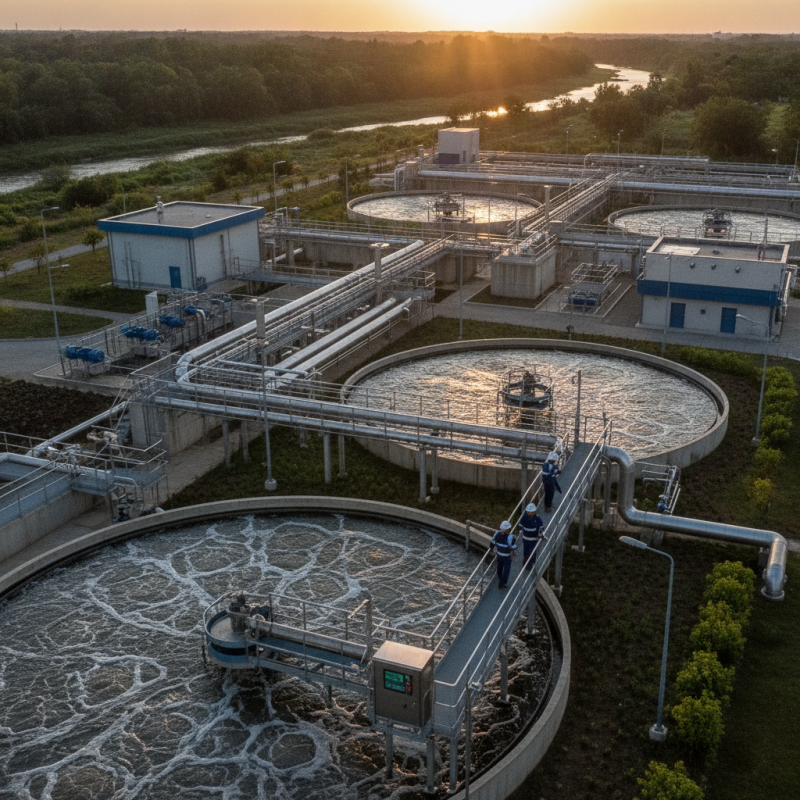
Understanding wastewater treatment systems is crucial for environmental sustainability. These systems play a vital role in managing water pollution. According to the U.S. Environmental Protection Agency (EPA), more than 50% of U.S. rivers are impacted by wastewater discharge. Maintaining efficient systems is not just about technology; it requires a thorough understanding of their fundamentals.
Wastewater treatment involves several stages, including screening, sedimentation, and biological treatment. Each stage has specific functions. For instance, screening removes large debris, while sedimentation allows solids to settle. The National Association of Clean Water Agencies states that over 16,000 publicly owned treatment works manage wastewater in the U.S. However, many of these facilities face challenges like aging infrastructure and insufficient funding.
Monitoring and regular maintenance are essential. Operators must check equipment and chemical levels frequently. Dealing with unexpected downtime requires a well-developed response plan. The global wastewater treatment market is projected to reach $680 billion by 2028, highlighting the sector's growth. Yet, reliance on outdated systems often hampers efficiency. It's important to continually assess best practices and adapt to changing regulations, reflecting the need for flexibility and improvement in this critical field.
This chart illustrates the monthly efficiency of wastewater treatment systems over the first half of the year 2023, measured in terms of Percentage of Effective Treatment. The data reflects average performance across various treatment parameters.
Regular maintenance of wastewater treatment systems is crucial. Many facilities overlook this aspect, leading to inefficient operations. According to the Water Environment Federation, up to 40% of wastewater treatment plants face operational challenges due to inadequate maintenance. This inefficiency can cause delays, increased operational costs, and potential environmental risks.
Routine checks can significantly enhance the performance of treatment systems. Regular inspections help identify issues before they escalate. Data from the U.S. Environmental Protection Agency indicates that plants that invest in preventive maintenance report up to 30% reduction in costly repairs. Small adjustments in machinery settings or calibrations can yield substantial benefits. However, it’s common for staff to overlook these details due to time constraints.
Furthermore, maintaining equipment also protects against compliance violations. Inadequate maintenance can lead to effluent quality failures. These failures have severe legal implications. An alarming statistic reveals that nearly 25% of compliance issues stem from neglected maintenance. Operators must prioritize consistent upkeep. This commitment ensures not only system efficiency but also compliance with environmental regulations.
Efficient wastewater treatment systems rely on several key components. Each part plays a vital role in ensuring that wastewater is treated effectively. These components include screening, primary treatment, biological treatment, and disinfection. Screening removes large debris, like plastics and leaves, that could damage equipment. This step is crucial but often overlooked. If not done properly, it can lead to costly repairs or even system failures.
Biological treatment is another significant element. This stage uses microorganisms to break down organic matter. However, maintaining optimal conditions for these microbes can be challenging. Factors such as temperature and pH levels must be monitored closely. If the environment is not right, the efficiency decreases. Disinfection, typically achieved through chlorination or ultraviolet light, is essential for eliminating pathogens. While effective, these methods can produce harmful byproducts if not carefully managed.
To enhance treatment efficiency, regular maintenance and monitoring are necessary. Operators should conduct routine checks on all components. Training staff on best practices can improve reliability. However, even the best systems face challenges. Equipment wear and sudden influxes of pollutants can disrupt operations. A flexible approach to system management is vital. Adapting to unexpected changes can ensure that efficiency is maintained over time.
Wastewater treatment systems are critical for public health and environmental protection. However, they face several common issues that can hinder their efficiency. According to the Water Environment Federation, nearly 80% of wastewater treatment facilities experience operational challenges. These can range from equipment malfunctions to compliance failures. Routine maintenance and proper training can mitigate many of these problems.
One significant issue is the buildup of sludge, which may lead to decreased capacity and efficiency. Regular monitoring is essential. Studies show that about 25% of treatment plants exceed their design capacity due to sludge accumulation. Additionally, unexpected weather events can overload systems, causing potential bypasses. Operators must have contingency plans to manage these situations effectively.
Another common problem is the deterioration of chemicals used in treatment processes. Decreased effectiveness can result from improper storage. A report by the Environmental Protection Agency emphasizes that outdated chemical inventory can increase operational costs and reduce treatment quality. Facilities should conduct periodic chemical audits to ensure optimal performance. Continuous evaluation and adaptation are key to addressing these common issues in wastewater treatment systems.
To optimize wastewater treatment performance, facilities must focus on best practices based on industry standards. Regular maintenance is essential. A report by the Environmental Protection Agency (EPA) indicates that inefficient systems can lead to over 30% higher operational costs. Operators should prioritize equipment inspections. Scheduled maintenance can catch issues early, reducing downtime and repair costs.
Data from the Water Environment Federation shows that optimizing aeration can enhance treatment efficiency. Proper aeration contributes to better biological degradation of pollutants. It might be surprising, but many plants still operate with outdated aeration systems. Upgrading to energy-efficient blowers can reduce energy consumption by up to 50%.
Training staff is also crucial. Knowledgeable personnel are vital for effective troubleshooting. A survey revealed that up to 60% of operators feel unprepared to manage advanced technology. Ongoing training programs can empower staff. Investing in employee education improves system reliability and performance. Regularly reviewing processes can help identify areas needing improvement, ensuring that treatment goals are consistently met.
: Screening removes large debris like plastics and leaves. This step is crucial for protecting equipment from damage.
Biological treatment uses microorganisms to break down organic matter. Optimal conditions for these microbes must be maintained.
Maintaining the right temperature and pH levels can be difficult. An unsuitable environment decreases treatment efficiency.
Disinfection is typically done through chlorination or UV light. However, these methods can produce harmful byproducts without careful management.
Equipment malfunctions and sludge buildup can hinder efficiency. Routine maintenance can help mitigate these challenges.
Sludge buildup decreases capacity and efficiency. About 25% of plants exceed their design capacity due to this issue.
Unexpected weather events can overload systems. Facilities must have contingency plans to manage such situations.
Deterioration of treatment chemicals affects effectiveness. Conducting periodic chemical audits can help ensure optimal performance.
Regular maintenance, inspections, and staff training are essential. These practices help reduce operational costs and improve reliability.
Proper aeration enhances biological degradation of pollutants. Many plants still use outdated systems, which can impair efficiency.
Efficient wastewater treatment systems are crucial for environmental protection and public health. Understanding the fundamentals of these systems is the first step in effective management. Regular maintenance plays a significant role in ensuring these systems operate at peak efficiency, as it helps identify and address issues before they escalate. Key components such as pumps, aerators, and filtration systems each serve specific functions that contribute to overall performance.
To maintain wastewater treatment systems effectively, operators must be aware of common issues that may arise, along with troubleshooting techniques to resolve them. Implementing best practices for maintenance, including routine inspections and updates, can significantly optimize performance and prolong the life of the system. Overall, knowing how to maintain wastewater treatment systems is essential for ensuring they function properly and sustainably manage wastewater.
