 Olaprixa Industrial
Olaprixa Industrial
Olaprixa Industrial
Reducing sludge production is a pressing concern in wastewater treatment. Approximately 20-30% of the operational costs in treatment plants stem from sludge management. Industry reports indicate that efficient sludge treatment can save plants up to $500,000 annually. Understanding how to reduce sludge production in treatment plants not only lowers costs but also minimizes environmental impacts.
Advanced technologies, such as anaerobic digestion and improved aeration processes, show promise in meeting this challenge. For instance, studies reveal that optimizing aeration can reduce sludge generation by up to 50%. Despite these advancements, many plants still struggle to implement effective solutions consistently. The need for continuous monitoring and adaptive management practices cannot be overstated.
Moreover, there are often underutilized strategies that facilities overlook. Resources like staff training and community engagement play vital roles. A recent survey indicated that only 40% of plant operators feel adequately trained in sludge reduction methods. Addressing these gaps can lead to more sustainable outcomes. The time for embracing innovative practices is now.
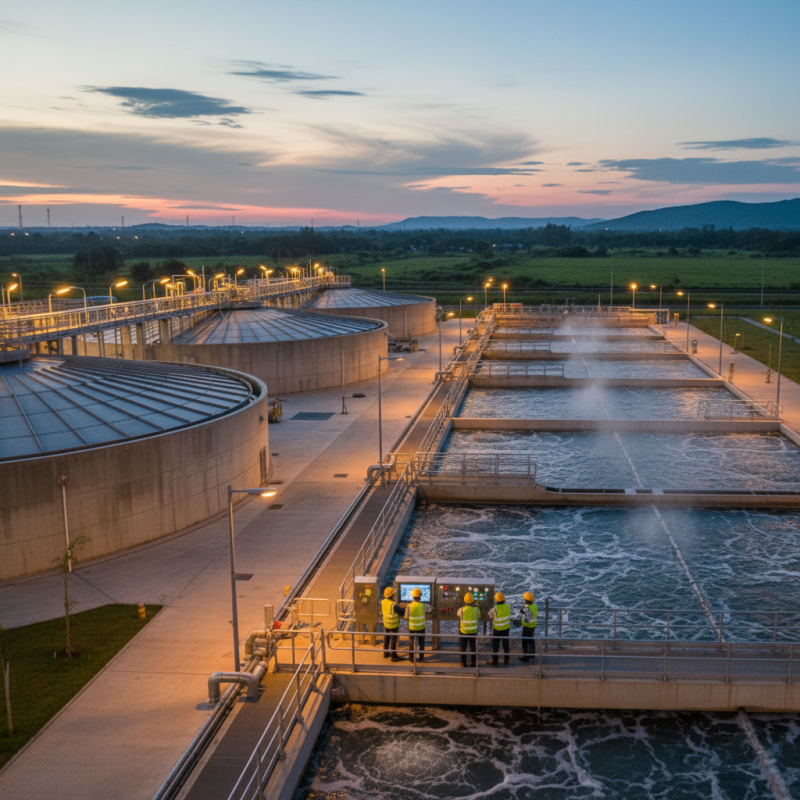
Sludge production in treatment plants is a significant issue affecting both efficiency and environment. Understanding the factors contributing to sludge generation can help in finding effective reduction strategies. According to a report from the Water Environment Federation, treatment processes can produce sludge at rates of 0.3 to 1.0% of wastewater volume. This variation heavily depends on the technology used and the characteristics of the influent.
Biological processes, particularly activated sludge systems, often result in higher sludge yields. Studies indicate that biological treatment can generate up to 70% of the total sludge produced. In contrast, alternative technologies such as membrane bioreactors often lead to lower sludge production rates. However, these systems come with their own set of challenges and considerations, including operational complexity and cost.
Many treatment plants face limitations in resources for managing sludge. This leads to questions about the sustainability of current practices. Innovations are needed, but not all plants can implement advanced solutions immediately. Regular audits and performance data can help identify inefficiencies in processes that lead to excess sludge. Reducing sludge production is not just about new technologies; it requires a holistic approach to understanding operational dynamics and influent characteristics.
: Key factors include wastewater type, microbial activity, and treatment processes. High organic matter increases microbial growth, leading to more sludge.
Different microorganisms generate varying sludge amounts during organic breakdown. Adjusting conditions like temperature and pH can influence these activities.
Over-aeration can create excess biomass, while under-aeration may reduce treatment efficiency. It's tough to find the right balance.
Some technologies produce more sludge than others. For instance, conventional methods may yield significant amounts, while alternatives may lessen it.
Membrane bioreactors enhance solid-liquid separation and minimize sludge volume, but they need careful maintenance and expertise to operate effectively.
Anaerobic digestion turns organic matter into biogas, lowering solid waste. Effectiveness varies with feedstock quality, so consistent monitoring is essential.
Yes, materials like biochar can improve biomass degradation by interacting with microorganisms. Results vary, requiring adaptability and experimentation.
Embracing continuous improvement and being open to experimenting with various technologies are vital for long-term success.
Understanding wastewater characteristics helps manage sludge generation effectively to reduce operational costs and environmental issues.
Operators may encounter challenges and need to be ready to adapt. Trial and error are part of discovering the best solutions.
Efficiently managing sludge production is crucial for treatment plants aiming to enhance their operational sustainability. Understanding sludge production in treatment plants involves identifying key factors such as the type of wastewater, treatment processes, and biological reactions that contribute to sludge generation. By recognizing these factors, operators can implement best practices for sludge minimization, which include optimizing the treatment process and improving the quality of influent.
Additionally, innovative technologies play a vital role in reducing sludge volume, such as advanced separation techniques and enhanced biological treatments. Implementing effective operational strategies is essential for sludge management, allowing treatment plants to not only decrease the overall sludge production but also to improve the overall efficiency of wastewater treatment. This comprehensive approach addresses the question of how to reduce sludge production in treatment plants effectively.
