Olaprixa Industrial
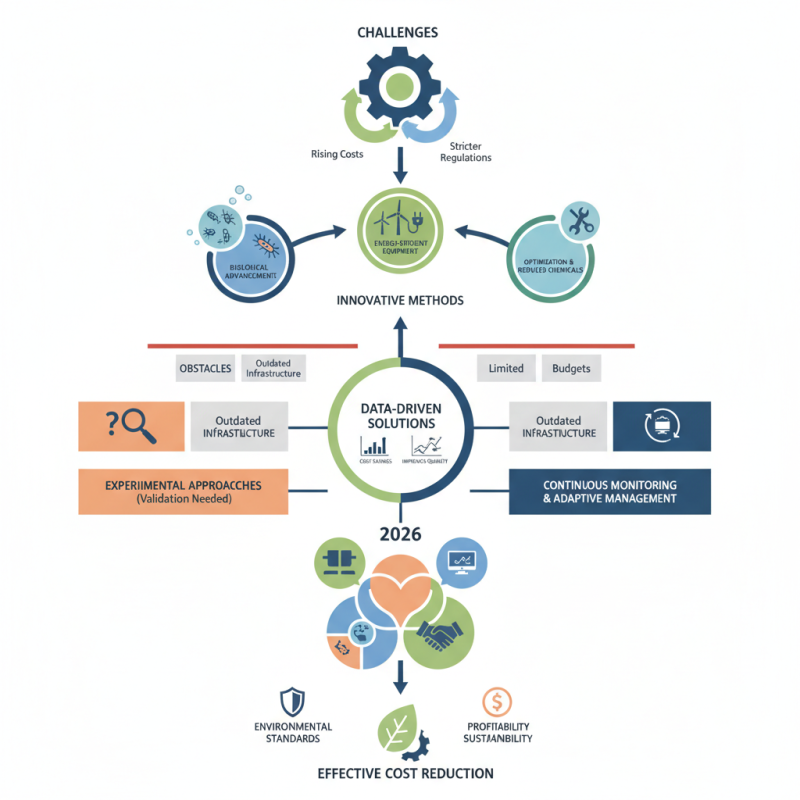
Reducing wastewater treatment costs is an ongoing challenge for industry professionals worldwide. As costs rise and environmental regulations tighten, finding effective strategies becomes essential for sustainability and profitability. Experienced engineers and environmental experts have developed innovative methods that can be adapted across various plants. However, implementation often faces obstacles like outdated infrastructure and limited budgets.
Reliable data shows that advances in biological treatment processes and energy-efficient equipment significantly cut expenses. Yet, these solutions require careful assessment to avoid compromising treatment quality. Small adjustments, such as optimizing aeration systems and reducing chemical use, can make a big difference. However, some approaches seem promising but lack extensive real-world testing. This introduces the need for ongoing experimentation and critical reflection.
Understanding how to reduce wastewater treatment costs effectively in 2026 involves balancing technological innovation with practical constraints. Experts emphasize that continuous monitoring and adaptive management remain central. While new methods hold promise, they must be validated through reliable research. Only then can plant managers confidently adopt changes that deliver real cost savings without sacrificing environmental standards.
As of 2026, wastewater treatment costs are experiencing significant pressures. Recent reports indicate that treatment expenses have increased by 15% over the past two years. This rise is attributed to stricter regulations and the need for advanced technologies. In many regions, energy and labor costs are major factors, contributing to the overall expense.
In metropolitan areas, the average monthly cost for wastewater treatment has reached approximately $75 per household. This figure represents a substantial financial burden, especially for low-income communities. Some municipalities report challenges in maintaining infrastructure due to this financial strain. A 2025 study highlighted that nearly 40% of treatment plants are operating at a financial loss. Such data emphasizes the urgent need for innovative solutions.
Many facilities are exploring process optimization to reduce costs. For example, anaerobic digestion can lower energy consumption significantly. However, implementing new technologies often requires upfront investment, posing a dilemma. Additionally, not all regions have access to necessary funding. This underscores the complexity of managing wastewater treatment in a financially sustainable way. Stakeholders must reflect on these challenges to devise effective strategies moving forward.
Innovative technologies are transforming wastewater treatment. In 2026, cost-effective methods are becoming more critical. The global wastewater treatment market is projected to reach $500 billion by 2026, with a growing emphasis on efficiency and sustainability.
Recent studies highlight that utilizing membrane bioreactors can reduce operational costs by an impressive 30%. These systems integrate biological treatment with membrane separation, offering high efficiency. Furthermore, the adoption of AI-driven analytics is streamlining processes, predicting failures, and reducing maintenance expenses. Reports indicate a potential decrease in energy consumption by up to 25% through intelligent monitoring.
However, challenges remain. Many facilities struggle with initial investment costs. Legacy systems often hinder the adoption of new technologies. As treatment facilities evolve, embracing change will be crucial. Balancing innovation with budget constraints requires a strategic approach to funding and implementation. The wastewater treatment landscape in 2026 prompts constant reflection on both opportunities and limitations.
In wastewater treatment facilities, optimizing resource management is crucial. Facilities often face rising operational costs and environmental regulations. Implementing effective strategies can lead to significant savings. Analyzing energy consumption is one important step. Facilities can track energy usage to find inefficiencies. Small adjustments can result in lower energy bills.
Regular maintenance of equipment is vital. Equipment breakdowns often lead to higher costs and disruptions. Scheduling routine maintenance helps avoid larger, unexpected expenses. Staff training can also enhance performance. Educated teams can identify issues early, preventing costly repairs.
Another strategy involves collaboration with local industries. Sharing resources can alleviate individual burdens. Industries can partner to optimize water use and treatment methods. This collaboration reduces overall costs. While these approaches seem simple, many facilities overlook them. Reflections on current practices can uncover hidden opportunities for savings.
In 2026, the complexity of the regulatory framework surrounding wastewater treatment continues to influence costs significantly. As municipalities adapt to stricter environmental standards, financial incentives play a vital role. The U.S. Environmental Protection Agency (EPA) reports that compliance can range from 35% to 50% of total operational expenses for treatment facilities. This constant pressure forces operators to seek innovative solutions for cost reduction.
Federal and state regulations often provide grants and low-interest loans for infrastructure upgrades. For instance, the Clean Water State Revolving Fund allocates billions annually to support projects that improve efficiency. However, many municipalities struggle to navigate these funding opportunities. A recent study showed that up to 45% of eligible projects do not receive financial assistance due to administrative barriers.
Additionally, utilities may overlook energy efficiency programs, which could save up to 20% on operational costs. Understanding eligibility for these programs is crucial. Yet, only 30% of wastewater treatment plants actively participate. Addressing these gaps in awareness can directly impact financial health and sustainability. Consistent engagement with regulatory bodies is necessary to leverage available resources effectively.
In recent years, innovative strategies have emerged to reduce wastewater treatment costs. One notable case is a mid-sized municipal plant that implemented a new process for anaerobic digestion. By optimizing its operational efficiency, the facility reduced energy costs by 20%. This change not only lowered expenses but also increased biogas production, providing a reliable energy source.
Another example comes from a large industrial wastewater treatment facility. They adopted advanced membrane filtration technology to enhance their operations. Although the initial investment was high, this technology resulted in significant savings over time. They cut down on chemical usage and reduce sludge volume. However, this transformation required extensive training for staff. It also brought challenges in maintenance and monitoring.
These cases illustrate that while there are paths to cost reduction, they are not without hurdles. Some facilities faced setbacks in achieving the desired efficiency quickly. Careful planning and ongoing evaluation are essential to navigating these complexities. Each facility must weigh the benefits against the challenges involved in implementing new technologies and processes.
| Case Study | Strategy Implemented | Cost Reduction (%) | Year of Implementation | Notes |
|---|---|---|---|---|
| Case A | Optimization of Aeration Process | 30% | 2023 | Implemented advanced control systems. |
| Case B | Upgrading Filtration Technology | 25% | 2024 | Used membrane bioreactor technology. |
| Case C | Implementing Energy Recovery Systems | 40% | 2025 | Enhanced energy efficiency in operations. |
| Case D | Reducing Chemical Usage | 20% | 2026 | Integrated natural treatment approaches. |
: Treatment costs have risen due to stricter regulations and advanced technology needs. Energy and labor expenses also play a key role.
In metropolitan areas, the average monthly cost is around $75 per household. This impacts low-income communities significantly.
Yes, nearly 40% of treatment plants report operating at a financial loss. This situation highlights the urgent need for new solutions.
Facilities can analyze energy consumption, perform regular maintenance, and invest in staff training to identify inefficiencies.
Sharing resources with local industries can lower costs and optimize water use, yet many facilities miss this opportunity.
Financial incentives help municipalities comply with regulations, but many struggle to access available funding due to administrative issues.
Compliance can account for 35% to 50% of total operational expenses, pushing facilities to seek innovative cost-cutting measures.
Up to 45% of eligible projects fail to get funding due to barriers in navigating grant processes and understanding requirements.
Energy efficiency programs could save up to 20% on costs, but only 30% of plants actively participate in them.
Stakeholders need to reflect on current practices to uncover hidden opportunities for savings and improve financial sustainability.
In 2026, the escalating costs of wastewater treatment have prompted stakeholders to explore effective methods on how to reduce wastewater treatment costs. The current landscape reflects a pressing need for innovative technologies that enhance cost-efficiency, such as advanced treatment processes and automation solutions. Additionally, optimizing resource management within treatment facilities has emerged as a crucial strategy, allowing for better utilization of assets and workforce.
Furthermore, understanding the regulatory framework and financial incentives is essential to navigating and mitigating costs. By leveraging these incentives, facilities can implement more sustainable practices. Case studies demonstrate that successful cost reduction can be achieved through a combination of innovative approaches and strategic resource management, providing a roadmap for facilities aiming to enhance their financial performance in wastewater treatment.
