In China, the treatment of wastewater generates a significant byproduct: sludge. This residue contains organic matter and various contaminants. Understanding how is sludge processed after wastewater treatment is crucial for environmental health. The methods employed in this process reflect both technological advancements and regional challenges.
China's rapid urbanization has led to increased wastewater production. This surge poses difficulties in sludge management. Effective sludge processing methods are essential to minimize environmental impact. For instance, anaerobic digestion is commonly used, which not only reduces sludge volume but also generates biogas. This biogas can be harnessed for energy.
However, not all sludge processing techniques are equally effective or widely adopted. There remain gaps in technology and resources. Some facilities may still rely on less sustainable methods. This inconsistency raises important questions about the future of sludge management in China. The ongoing evolution in this field must address not only efficiency but also ecological responsibility.
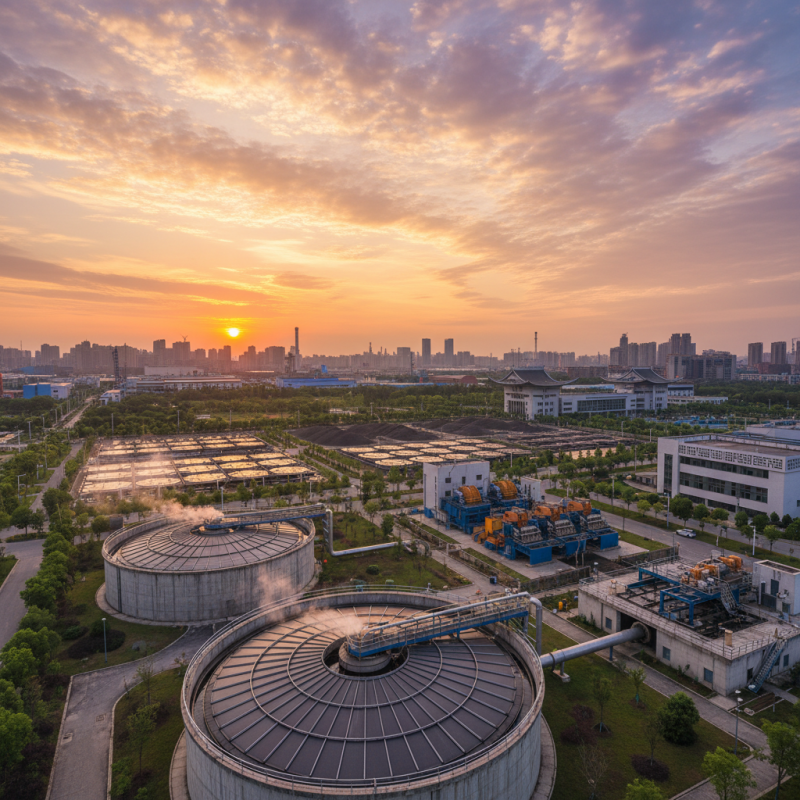
Overview of Sludge Generation in Wastewater Treatment in China
Sludge generation is a significant outcome of wastewater treatment in China. As urban areas grow rapidly, the demand for wastewater treatment increases. This results in more sludge production, which poses challenges for effective management. The volume of sludge produced varies based on the treatment methods used and the characteristics of the incoming wastewater.
In China, the average sludge generation rate can be substantial. Many treatment plants produce large quantities of sludge daily. This often leads to issues in transportation, storage, and disposal. The infrastructure might struggle to keep up with the growing amount of sludge, leading to overflows and environmental concerns. Local authorities sometimes lack the necessary resources to process this waste effectively.
Addressing these challenges requires innovative solutions. For example, anaerobic digestion is gaining attention in China. This method can reduce sludge volume and generate biogas, offering a sustainable energy source. However, not all facilities are equipped for this technology, leading to inconsistent applications. Continuous efforts are vital to improve sludge management practices across the country, ensuring environmental protection and compliance.
Methods of Sludge Stabilization and Reduction
In China, the stable processing of sludge after wastewater treatment involves various methods aimed at reduction and stability. Anaerobic digestion is widely used. This process not only breaks down organic matter but also produces biogas. The biogas can be harnessed for energy. However, the efficiency of this method largely depends on temperature and retention time. Many facilities struggle to maintain optimal conditions, which can result in incomplete digestion.
Another common method is aerobic digestion. This requires oxygen, which promotes aerobic bacteria growth. It reduces sludge volume significantly. Yet, the high energy demand for aeration can be a drawback. Facilities often face budget constraints. Not all plants can afford this energy-intensive process. In some cases, the quality of treated sludge might not meet agricultural standards.
Physical and chemical methods also play a role. Mechanical dewatering reduces water content effectively. Chemical stabilization using agents like lime helps to neutralize pathogens. However, these methods may create chemical waste that needs disposal. Each sludge treatment option has pros and cons. Decision-makers must weigh efficiency against cost and environmental impact. There's still room for improvement in these processes.
Methods of Sludge Stabilization and Reduction in China
Technologies for Sludge Dewatering and Disposal
In China, after wastewater treatment, sludge faces significant challenges. Technologies for sludge dewatering and disposal vary in effectiveness and application. One common method is sludge thickening. This process reduces the volume, making further treatment easier. However, improper thickening can lead to higher moisture content.
Another crucial technology is centrifugation. Centrifuges separate water from sludge efficiently. This method minimizes space needs and prepares the sludge for incineration or landfilling. Yet, it requires skilled operators and regular maintenance, which can complicate implementation.
Tips: Ensure regular maintenance checks on centrifugal systems to avoid unexpected failures. Also, evaluate the moisture content regularly to optimize dewatering efforts.
Anaerobic digestion is another prevalent method. It transforms organic material into biogas. This process reduces volume while generating renewable energy. However, it may not be suitable for all types of sludge, especially those with high inorganic content.
Tips: Always analyze the sludge composition before selecting the treatment technology. Keep in mind the environmental regulations to ensure compliance while managing sludge disposal effectively.
How is Sludge Processed After Wastewater Treatment in China? - Technologies for Sludge Dewatering and Disposal
| Technology |
Description |
Application Rate (%) |
Advantages |
Challenges |
| Belt Filter Press |
Uses a continuous belt to compress sludge, removing water |
60-80% |
High efficiency and low chemical usage |
Possible clogging issues and maintenance needs |
| Centrifuge Dewatering |
Utilizes centrifugal force to separate solid from liquid |
80-90% |
High solids recovery and reduced footprint |
High energy consumption and initial costs |
| Dryer Technologies |
Uses heat to evaporate water content in sludge |
90-95% |
Produces dry product suitable for incineration or composting |
Requires significant energy input |
| Composting |
Biological process using microorganisms to decompose organic matter |
Varies widely |
Produces high-quality fertilizer and less landfill usage |
Longer processing time and requires management to avoid odor |
| Land Application |
Directly applied to agricultural land as a fertilizer |
70-80% |
Enhances soil fertility and structure |
Regulatory restrictions and potential for contamination |
Opportunities for Sludge Recycling and Resource Recovery
In China, sludge management is evolving. As wastewater treatment progresses, the need for effective sludge processing becomes crucial. Sludge, a byproduct of treatment processes, often contains valuable nutrients. This presents numerous opportunities for recycling and resource recovery.
One approach involves composting sludge to create organic fertilizers. This not only reduces waste but enriches soil health. However, the safety of such fertilizers must be carefully monitored. Pathogens and heavy metals could potentially harm agriculture, prompting a need for stringent regulations. Some facilities struggle to meet these standards, limiting their effectiveness.
Another promising avenue is energy recovery. Sludge can be converted into biogas through anaerobic digestion. This renewable energy source can power treatment plants. However, the technology is not universally adopted due to high initial costs. Many local governments lack the resources or expertise for implementation. Balancing economic incentives with environmental benefits remains a challenge. By addressing these issues, sludge recycling can significantly enhance sustainability efforts in China.
Regulatory Framework Governing Sludge Management in China
In China, the regulatory framework for sludge management is evolving. The country faces significant challenges in handling the massive amount of sludge generated from wastewater treatment. According to recent data, it is estimated that about 50 million tons of sludge are produced annually. This sludge is rich in organic matter, posing both a resource opportunity and an environmental risk.
The National Development and Reform Commission (NDRC) has implemented policies aimed at improving sludge treatment processes. Key regulations include the “National Standard for Sludge Treatment and Disposal” introduced in 2018. This framework emphasizes safety and efficiency in sludge management. However, enforcement and compliance remain inconsistent across different regions. Many local governments struggle with insufficient funding and technical know-how, leading to subpar treatment methods.
Moreover, the lack of public awareness on sludge reuse complicates the situation. Many potential benefits of recycled sludge in agriculture and construction are overlooked. Reports indicate that only 30% of treated sludge is reused, indicating room for improvement. To enhance effectiveness, stakeholders must collaborate to ensure better adherence to regulations and innovative practices in sludge recycling.
FAQS
: Sludge generation is a byproduct of wastewater treatment. It increases with urban growth and treatment needs.
The rapid increase in sludge production strains transportation, storage, and disposal systems. Infrastructure often struggles to cope.
Anaerobic digestion is gaining traction. It reduces sludge volume and produces biogas, a sustainable energy source.
This process breaks down organic material and produces biogas. Efficiency depends on temperature and retention time.
Many facilities lack the equipment to maintain optimal conditions. Incomplete digestion can occur, leading to environmental concerns.
Aerobic digestion uses oxygen to break down sludge. It significantly reduces volume but demands high energy levels.
Not all plants can sustain the energy costs involved. Budget constraints limit the use of this energy-intensive method.
Mechanical dewatering reduces water content. Chemical stabilization can neutralize pathogens but may produce chemical waste.
While effective, chemical methods create waste needing disposal. This adds complexity to the management process.
Each method has advantages and drawbacks. Finding a balance between efficiency, cost, and environmental impact is essential.
Conclusion
The article titled "How is Sludge Processed After Wastewater Treatment in China?" provides a comprehensive overview of the sludge management process following wastewater treatment. In China, the generation of sludge is a significant byproduct, necessitating effective stabilization and reduction methods to manage its volume and impact on the environment. Various technologies are employed for sludge dewatering and disposal, including mechanical, thermal, and chemical methods, which help minimize the environmental footprint of sludge.
Furthermore, the article explores the opportunities for recycling and resource recovery from sludge, highlighting innovative approaches that can transform waste into valuable resources. Lastly, it addresses the regulatory framework governing sludge management, which is crucial for ensuring compliance and promoting sustainable practices. Overall, understanding how sludge is processed after wastewater treatment is essential for advancing China's wastewater management strategies and environmental sustainability.
 Olaprixa Industrial
