Olaprixa Industrial Olaprixa Industrial

What Is Sludge Treatment and Why Is It Necessary?

Time:2026-09-14 Author:Sophia
0%

When communities ask, “what is sludge treatment and why is it necessary,” they are asking about health, water quality, and resource recovery. Sludge is the concentrated material separated during wastewater treatment. It contains water, organic matter, nutrients, pathogens, and trace contaminants. Its appearance may seem harmless. Its risks are not. Treatment reduces those risks and makes handling more predictable, from plant tanks to the final receiving site.

The scale is substantial. The World Bank’s 2019 report, Quality Unknown: The Invisible Water Crisis, cites estimates exceeding 80%. They indicate that wastewater is discharged without adequate treatment worldwide. The UN World Water Development Report 2017 delivers a similar warning. These findings connect sludge management with a wider sanitation gap. They also demand caution. Global averages cannot describe every city, industrial discharge, or soil condition accurately.

In practice, sludge treatment may include thickening, biological or chemical stabilization, dewatering, drying, and disinfection. A centrifuge can turn a pumpable stream into stackable cake, but the cake still needs testing. The U.S. Environmental Protection Agency’s biosolids risk-assessment work shows why site-specific contaminants deserve attention. Nutrient recovery can support circular water management, while poor controls can transfer hazards rather than remove them. No process is perfect. Operators must verify pathogen reduction, contaminant levels, moisture, odor, and end-use conditions. Reliable decisions combine laboratory results, process records, engineering judgment, and transparent public communication. That is the practical meaning behind this question.
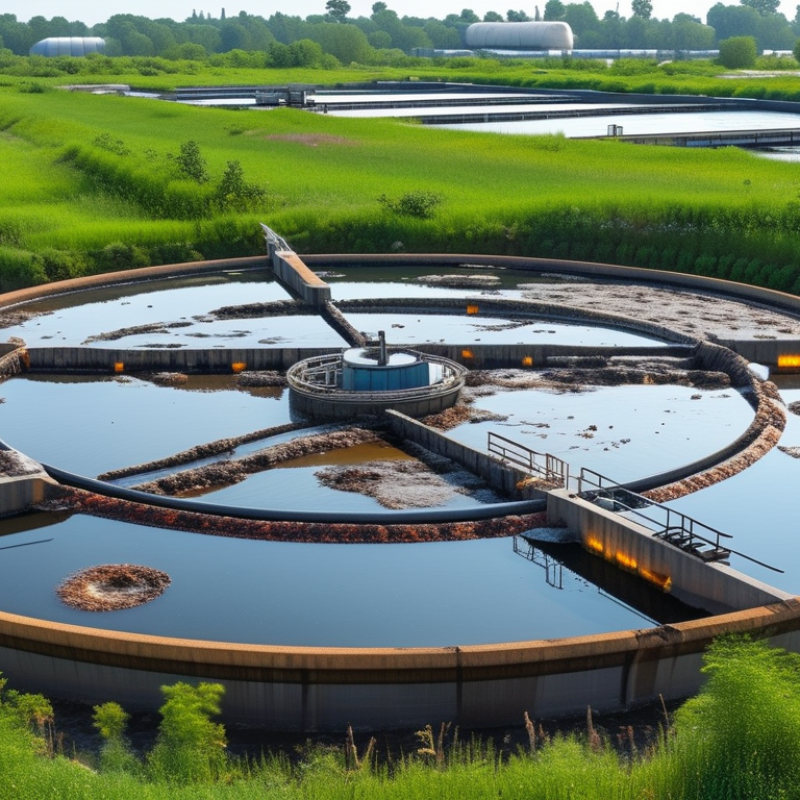
What Is Sludge Treatment and Why Is It Necessary?

What Is Sludge Treatment?

What Is Sludge Treatment?

Sludge treatment is the controlled processing of semi-solid waste from wastewater plants. It removes excess water, reduces harmful organisms, and makes the material safer to handle. Sludge can contain organic matter, nutrients, metals, and industrial residues. Its composition changes with each wastewater source.

Treatment commonly begins with thickening. This step increases the solids concentration and reduces the volume for later stages. Stabilization then uses biological, chemical, or thermal methods to control odors and decomposition. Anaerobic digestion can produce biogas while lowering the amount of unstable organic material. Aerobic treatment uses oxygen and usually needs continuous energy.

Dewatering follows through centrifuges, belt presses, or drying beds. The result may resemble damp soil, but appearance proves little. Moisture matters. Laboratory testing should check pathogens, metals, nutrients, and other regulated pollutants before reuse or disposal. Suitable material may support soil improvement under local rules. Unsuitable material requires secure handling and approved disposal routes.

Good treatment depends on accurate sampling and careful operation. In practice, small changes in rainfall, temperature, or industrial discharge can alter sludge behavior. The numbers shift. A poorly adjusted polymer dose may leave the cake too wet, increasing transport costs. No treatment train is perfect. Operators still need records, maintenance, and independent testing to verify performance.

Where Sludge Comes From and What It Contains

Sludge begins where wastewater is cleaned. Homes contribute toilet waste, food particles, soaps, and paper fibers. Stormwater can add soil and debris when sewer systems receive heavy runoff. Industrial discharges may introduce oils, salts, metals, or difficult-to-degrade chemicals. Treatment plants remove these materials through screening, settling, biological processes, and chemical treatment. The remaining wet mixture is sludge.

It is mostly water. Untreated sludge commonly contains only about 1–5% solids, according to technical guidance from the U.S. Environmental Protection Agency. Those solids include organic carbon, nitrogen, phosphorus, microorganisms, and mineral particles. Some samples also contain trace metals and persistent compounds, depending on local inputs. The EPA’s Biosolids Generation, Use, and Disposal report estimated roughly 7.2 million dry metric tons of biosolids were generated annually in the United States. The number is an estimate, not a universal constant.

Sludge varies from one plant to another. A residential area produces a different profile from a food-processing district. A sewer map can explain more than a laboratory result alone. Good operators test moisture, nutrients, pathogens, metals, and emerging contaminants before selecting treatment. Dewatering may produce a cake that looks stable but still smells strongly and contains concentrated pollutants. That detail matters. I would not treat “organic” as automatically safe; that assumption is too simple.

How Sludge Treatment Works Step by Step

Sludge treatment turns a wet, unstable by-product into a safer, manageable material. The need is substantial. UN-Water’s World Water Development Report 2017 estimated that over 80% of global wastewater enters the environment without adequate treatment. The U.S. Environmental Protection Agency also estimates that American plants generate about 7.2 million dry metric tons of sewage sludge annually.

The process begins with screening. Operators remove rags, plastics, grit, and other debris before equipment becomes damaged. Sludge then enters a thickening stage, where gravity or flotation reduces its water content. This lowers tank volume and energy demand. Next, stabilization controls odors and reduces pathogens. Common methods include biological digestion, lime treatment, and thermal processing. Each method needs careful temperature, retention-time, and solids monitoring.

Water removal follows. Centrifuges, belt presses, or drying beds produce a firmer cake. Laboratory testing checks moisture, pathogens, metals, and nutrient levels before reuse or disposal. Standards differ by location, so one test cannot answer every safety question. Field operators know this part can be frustrating. Sludge changes with rainfall, industrial inputs, and seasonal flows. A treatment plan that worked last month may need adjustment today. The European Commission’s Sewage Sludge Directive framework emphasizes controlled use and monitoring, especially when treated sludge is applied to land. Good records matter. So does independent sampling.

Common Technologies Used in Sludge Treatment

Sludge treatment is the controlled processing of solids removed from wastewater. It reduces water, odors, pathogens, and disposal risks. In practice, treatment plants use several steps rather than one machine.

Thickening concentrates solids before further processing. Dewatering then removes more water through centrifuges, belt presses, or filter presses.

The best option depends on sludge type, flow volume, local rules, and final disposal plans.

Common technologies include anaerobic digestion, aerobic digestion, lime stabilization, drying, and thermal treatment.

Anaerobic digestion uses microorganisms without oxygen and can produce biogas.

Aerobic digestion needs oxygen and often suits smaller facilities.

Lime stabilization raises pH, helping control pathogens and odors.

Drying beds use sunlight and air, but they need space and suitable weather.

Thermal systems reduce volume strongly, although they require careful energy and emission control.

Experienced operators monitor moisture, temperature, pH, and pathogen indicators. A design may look efficient on paper, yet perform poorly when sludge quality changes.

Tips: Test sludge regularly before selecting equipment. Check cake dryness, odor, maintenance needs, and energy demand. Keep records from each operating cycle. Small adjustments can prevent costly failures. Do not assume the driest cake is always the best result. A slightly wetter product may be easier to handle, depending on transport and permitted reuse requirements.

Why Proper Sludge Treatment Is Necessary

Sludge treatment is the controlled processing of solids removed from wastewater. It makes sludge safer, drier, and easier to handle. Proper treatment is necessary because untreated sludge can contain pathogens, unpleasant odors, and concentrated pollutants. These risks may affect workers, nearby communities, soil, and water resources. Treatment also reduces volume, which lowers transport and storage demands.

A reliable process usually combines thickening, stabilization, dewatering, and quality testing. Thickening removes excess water before further processing. Stabilization can reduce biological activity and odor formation. Dewatering produces a manageable cake instead of a heavy, watery material. Operators should test moisture, pathogens, nutrient levels, and regulated contaminants before deciding on reuse or disposal. A treatment plan must match the sludge source, local conditions, and applicable environmental requirements.

The difficult part is consistency. A system may perform well during dry weather but struggle after heavy rainfall. Small changes in industrial inputs can also alter sludge chemistry. That is a weakness worth admitting. Regular sampling, equipment inspections, and clear operating records help reveal these changes early. Workers need suitable protective equipment and practical training, especially around enclosed spaces and moving machinery. Energy use also deserves attention, since excessive heating or pumping can increase costs without improving safety. Proper sludge treatment is not merely a disposal step. It is an ongoing control process that protects public health and supports responsible resource management.

FAQS

What is sludge treatment?

Sludge treatment processes wet solids removed from wastewater. It reduces water, odors, pathogens, and disposal risks. The final material becomes easier to handle.

What happens during screening?

Screens remove rags, plastics, grit, and other debris. This protects pumps, tanks, and later treatment equipment. Small objects can still cause trouble.

Why is sludge thickened?

Thickening removes some water using gravity or flotation. It reduces tank volume and energy demand. The sludge becomes more concentrated.

How does stabilization improve sludge?

Stabilization controls odors and reduces harmful microorganisms. Methods include biological digestion, lime treatment, and thermal processing. Temperature and treatment time need careful monitoring.

Which equipment removes water?

Centrifuges, belt presses, filter presses, and drying beds remove additional water. The best choice depends on sludge type, weather, space, and disposal plans. A drier cake is not always better.

What should laboratories test?

Testing commonly checks moisture, pathogens, metals, and nutrient levels. Results help guide reuse or disposal decisions. One test cannot answer every safety question.

Can sludge quality change during treatment?

Yes, sludge changes with rainfall, industrial inputs, and seasonal wastewater flows. Equipment performance may shift from one month to the next. Operators must adjust settings.

What records should treatment plants keep?

Plants should record moisture, temperature, pH, testing results, and operating cycles. Independent sampling can strengthen confidence in the results. Records are not exciting, but they matter.

How do plants choose a treatment technology?

They should compare sludge characteristics, flow volume, energy use, maintenance, and local requirements. Regular testing should happen before equipment selection. A design may look perfect on paper, then struggle in practice.

Conclusion

What is sludge treatment and why is it necessary? Sludge treatment is the controlled process of managing the semi-solid material produced during wastewater treatment. Sludge can come from municipal sewage, industrial wastewater, stormwater systems, and other treatment processes. It may contain water, organic matter, nutrients, microorganisms, minerals, and unwanted contaminants, so it must be handled carefully before reuse, disposal, or further processing.

The treatment process commonly includes thickening to reduce volume, stabilization to control odors and biological activity, dewatering to remove excess water, and, when appropriate, drying or disinfection. Technologies such as gravity thickening, centrifuges, filter presses, digestion, and thermal drying may be selected according to the sludge’s characteristics and intended final use. Proper treatment is necessary because it reduces environmental risks, limits odors and pathogens, improves transport and storage efficiency, supports resource recovery, and helps protect public health, soil, water, and surrounding communities.

Sophia

Sophia

Sophia is a dedicated marketing professional with an exceptional depth of knowledge about her company's products and services. With a keen understanding of market trends and customer needs, she crafts insightful blog posts that not only inform but also engage readers, enriching the company’s online......