Olaprixa Industrial
Sludge is an unavoidable result of wastewater treatment, from large municipal plants to smaller industrial facilities across China. It contains water, organic matter, nutrients, pathogens, and sometimes heavy metals. Handling it safely requires more than simply removing the visible moisture.
So, what are the common methods of sludge disposal? This article examines ten widely used approaches in China, including mechanical dewatering, anaerobic digestion, composting, land application, sanitary landfilling, drying, incineration, co-processing, pyrolysis, and resource recovery. Each method has different equipment needs, operating costs, environmental risks, and suitable sludge conditions.
A belt filter press may reduce sludge volume before transport. Digesters can produce biogas in controlled conditions. Thermal drying may create a stable material, but it consumes considerable energy. Incineration reduces volume sharply, although air pollution control and ash management remain essential. Land application can return nutrients to soil, but only after careful testing for contaminants.
Local climate, sludge composition, plant capacity, and regulatory requirements influence the final choice. In practice, no single method works everywhere. That matters.
Reliable disposal depends on sampling, moisture analysis, pathogen control, trace-metal monitoring, and documented operating procedures. Some facilities may combine several methods instead of relying on one solution. This can improve efficiency, yet it also increases management complexity. The best route is not always the cheapest route, and published project results may not reflect every site. Careful evaluation is still needed.
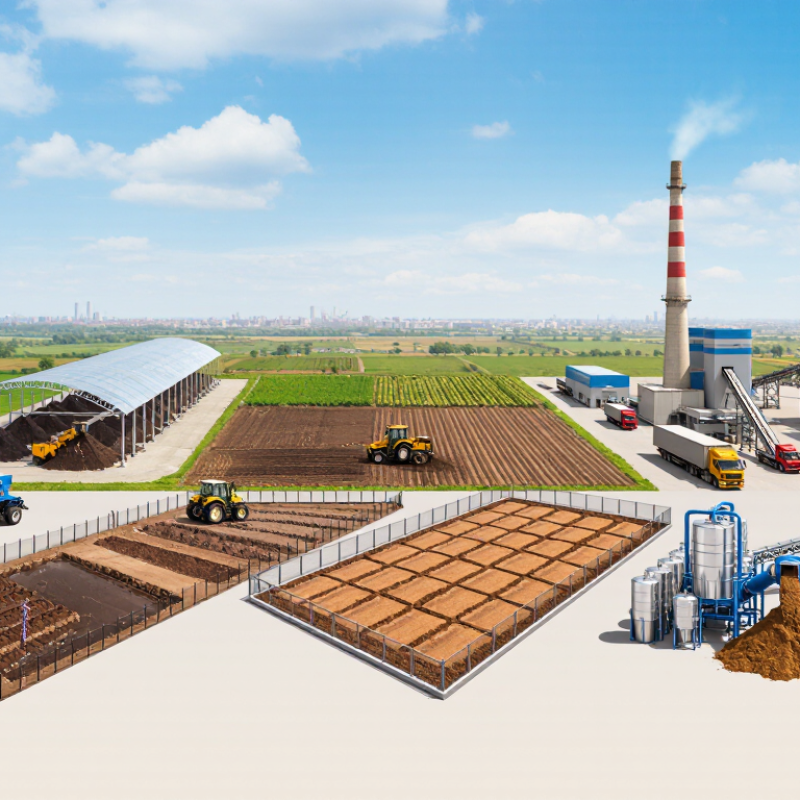
What Is Sludge Disposal and Why Is It Necessary?
Sludge disposal is the controlled handling, treatment, reuse, or final placement of solids removed from wastewater. It is not simply moving wet material elsewhere. Sludge contains water, organic matter, nutrients, pathogens, and sometimes industrial contaminants. Proper treatment reduces volume and limits risks to soil, water, workers, and nearby communities.
The need is substantial. UN-Water’s 2024 SDG 6 Synthesis Report states that 3.5 billion people lacked safely managed sanitation in 2022. More sanitation services also create more residual sludge. The U.S. Environmental Protection Agency estimates that wastewater facilities generate about 7.2 million dry metric tons of biosolids annually. These figures show the scale, although reporting definitions differ between countries. That uncertainty deserves attention.
Common routes include thickening, dewatering, anaerobic digestion, composting, drying, incineration, land application, and controlled disposal. Newer options include pyrolysis and thermal co-processing. Each method solves a different problem. Dewatering may reduce transport weight, while digestion can produce biogas. Land application can return nutrients, but testing must check pathogens, metals, and persistent chemicals. A poorly designed process can spread contamination instead of reducing it. Moisture also changes everything; sludge that looks manageable at a plant gate may become costly after hauling. Engineers therefore assess composition, water content, odor, energy demand, local climate, and final-use requirements before selecting a disposal method.
Before choosing among China’s common sludge disposal methods, operators must evaluate the material carefully. Sludge is not uniform. It changes with wastewater sources, treatment stages, seasons, and storage time. A practical assessment begins with representative sampling from different points, not only the surface of a tank.
Laboratories usually measure moisture, total solids, volatile solids, organic content, pH, and dewaterability. These results show whether the sludge can support drying, composting, incineration, or secure disposal. Testing may also examine heavy metals, pathogens, salinity, and persistent pollutants. The results should be compared with current local disposal requirements. A single sample can mislead. Sampling records matter.
Tips: Use clean containers and label each sample with its location and time. Keep samples cool when required, and send them to a qualified laboratory. Record odors, color, foam, and visible grit during collection. These details can reveal process changes that laboratory numbers miss. Do not rely on moisture content alone. Two sludges with similar moisture may dewater very differently because their particles and organic matter differ. Experienced operators often repeat testing after major changes in influent quality or chemical dosing. It costs more, but weak data can create larger treatment problems. Temperature, storage duration, and mixing conditions should also be recorded. Evaluation is never perfectly complete.
The chart shows indicative dry solids content commonly handled by different sludge management routes. Actual values depend on sludge type, dewatering equipment, treatment objectives, and local regulations. Before disposal, operators typically evaluate moisture content, volatile solids, organic matter, nutrients, pathogens, heavy metals, salinity, pH, and odor potential.
The top 10 common sludge disposal methods depend on moisture, contaminants, and local soil conditions. Land application returns nutrients to farmland, but operators must test metals, pathogens, and nutrient levels. Composting mixes sludge with carbon-rich materials, producing a soil amendment when aeration and temperature remain controlled. Anaerobic digestion uses sealed tanks to reduce organic matter and produce biogas. Dewatering with centrifuges, belt presses, or filter presses reduces transport volume before final disposal.
Thermal drying removes most water and creates a stable, easier-to-handle material. Incineration destroys organic pollutants and greatly reduces sludge volume, although ash still requires testing. Sanitary landfilling offers a controlled outlet for unsuitable sludge. It needs liners, leachate collection, and careful gas management. Lime stabilization raises pH, reduces odors, and limits pathogens. It is practical, but the treated sludge can become heavier.
Pyrolysis converts dried sludge into char and gases under limited oxygen. Cement-kiln co-processing can use sludge energy and mineral content, subject to strict emission controls. Solidification blends sludge with cementitious materials for controlled construction applications. This approach reduces mobility, but it does not erase contaminants. In practice, no method fits every plant. A poor moisture estimate can undermine an otherwise sound plan. Regular laboratory testing, traceable records, and trained supervision remain essential. Some projects also revise their choice after seasonal rainfall changes.
| Disposal Method | Basic Process | Typical Moisture or Mass Change | Main Output | Key Advantages | Main Limitations | Typical Suitability |
|---|---|---|---|---|---|---|
| Land Application | Stabilized and tested sludge is applied to agricultural soil, forest land, landscaping areas, or land reclamation sites as an organic amendment. | Usually requires dewatering to approximately 60–80% moisture before transport and application; the total mass is not destroyed. | Soil amendment and plant nutrients, mainly organic matter, nitrogen, and phosphorus. | Recycles nutrients and organic matter; can reduce the demand for some mineral fertilizers. | Requires strict control of pathogens, heavy metals, persistent pollutants, odors, application rates, and groundwater protection. | Suitable where local soil, crop, and pollutant requirements permit beneficial use. |
| Composting | Dewatered sludge is mixed with bulking agents and biologically stabilized under aerobic conditions, normally through controlled heating and maturation. | Final compost commonly reaches about 30–40% moisture when prepared for storage or use; biodegradable organics are substantially reduced. | Stabilized compost-like material for landscaping, soil improvement, or land reclamation. | Reduces odors and pathogens when properly operated; produces a reusable organic product. | Needs space, bulking materials, odor control, and careful management of heavy metals and other contaminants. | Suitable for sludge with adequate biodegradable organic content and a permitted beneficial-use outlet. |
| Anaerobic Digestion | Microorganisms break down organic matter without oxygen in sealed digesters, producing biogas and stabilized digestate. | Volatile-solids reduction is commonly around 30–60%, depending on feed characteristics and operating conditions; digestate still normally requires dewatering. | Biogas containing mainly methane and carbon dioxide, plus stabilized digestate and dewatered solids. | Recovers energy, reduces odor potential, and lowers the biodegradable organic load. | Requires relatively high capital investment, process control, gas safety systems, and further management of digestate. | Suitable for larger wastewater treatment facilities with sufficient organic loading and energy demand. |
| Aerobic Digestion | Sludge is biologically stabilized in the presence of oxygen, usually with mechanical aeration and extended retention time. | Organic solids are reduced, but the sludge generally remains water-rich and still needs thickening or dewatering. | Stabilized sludge cake or liquid sludge with lower biodegradability and odor potential. | Relatively simple operation; does not require biogas handling; suitable for many small and medium facilities. | Consumes electricity for aeration and does not recover energy; performance can decline at low temperatures. | Suitable for smaller plants or facilities where energy recovery is not the primary objective. |
| Monoincineration | Dewatered sludge is thermally oxidized at high temperature, with heat recovery where practical and separate management of the resulting ash. | Organic matter is almost completely destroyed; residual ash is often approximately 5–10% of the original dry-solids mass. | Flue gas, recovered heat or power, and mineral ash that may contain concentrated phosphorus and metals. | Provides substantial volume reduction and pathogen destruction; requires relatively little land. | High capital and operating costs; flue-gas cleaning is essential; ash disposal or recovery must be managed. | Suitable for large, urban sludge flows where land is limited and continuous operation is possible. |
| Co-incineration in Cement Kilns | Prepared sludge is fed into a cement production process, where its combustible fraction supplies heat and its mineral fraction can be incorporated into clinker. | Water must be reduced sufficiently for handling and combustion; organic matter is destroyed and mineral residues remain in the clinker system. | Recovered thermal energy and mineral incorporation into cement clinker, subject to process and emission controls. | Can reduce the need for fossil fuel and avoid separate ash generation in some configurations. | Requires compatible sludge quality, stable feeding systems, strict emission control, and suitable kiln capacity. | Suitable near cement plants that accept properly prepared sludge under applicable regulations. |
| Thermal Drying | Heat evaporates water from dewatered sludge, commonly using recovered heat, steam, hot air, or other thermal energy sources. | Product moisture can typically be reduced to below 10–20%; the original wet-sludge mass can fall substantially through water removal. | Dry sludge granules or powder that can be stored, transported, used as fuel, or sent for further treatment. | Greatly improves transportability and storage; may increase fuel value and enable downstream thermal utilization. | Energy intensive; dust, odor, fire, and explosion risks require appropriate safety and pollution-control systems. | Suitable where low-cost waste heat or reliable thermal energy is available. |
| Pyrolysis or Gasification | Dry or partially dried sludge is heated with little or no oxygen to produce gas, liquid fractions, and a carbon-rich solid; gasification uses a limited amount of oxygen or steam. | Dry-feed systems generally require sludge moisture below approximately 10–20%; the solid residue is much lower in mass than the original wet sludge. | Syngas or fuel gas, condensable products, and biochar-like carbonaceous solid or ash. | Can recover energy and create a potentially stable carbon-rich material while reducing organic contaminants. | Needs pretreatment and drying; technology and product-use requirements are more complex than conventional disposal routes. | Suitable for demonstration, specialized, or integrated facilities with reliable feed preparation and product management. |
| Landfilling | Dewatered or stabilized sludge is placed in an engineered landfill with liners, leachate collection, gas management, and cover systems. | Usually accepts sludge with approximately 60–80% moisture or lower, depending on landfill requirements; the organic matter is not fully eliminated. | Contained solid waste, leachate requiring treatment, and potentially landfill gas. | Relatively straightforward where permitted landfill capacity is available; provides a controlled containment route. | Consumes landfill capacity, may generate leachate and methane, and is increasingly restricted for untreated or readily recoverable sludge. | Generally used as a last-resort or backup route after stabilization and compliance testing. |
| Building-Material Utilization | Stabilized or thermally treated sludge ash or dried sludge is incorporated into products such as bricks, cement-related materials, lightweight aggregate, or other construction materials. | Feed material commonly requires substantial dewatering or drying; firing or thermal processing can eliminate organic matter and reduce volume. | Construction products or mineral raw-material substitutes, subject to product-quality testing. | Can consume large quantities of mineral residue and reduce land demand when the product meets safety and performance standards. | Requires consistent feed quality, pollutant immobilization, product testing, and control of emissions during thermal processing. | Suitable where stable construction-material markets and qualified processing facilities are available. |
Sludge disposal begins with choosing the right route for its water, pathogens, and organic matter.
The U.S. EPA estimates that American facilities generate about 7.2 million dry metric tons of biosolids yearly. That figure remains a useful planning benchmark, although reporting methods differ. Dewatering uses centrifuges, belt presses, or filter presses to remove free water. Land application then places treated sludge on soil as a nutrient source. Composting mixes sludge with wood chips and air, creating heat that stabilizes organic matter. Anaerobic digestion uses sealed tanks and microbes to produce biogas. Aerobic digestion uses oxygen instead, but usually consumes more energy. These methods work differently in practice.
Thermal drying evaporates remaining water and can create a transportable solid. Incineration burns dried sludge, sharply reducing its volume and producing ash. Pyrolysis heats sludge without oxygen, forming char, oil, and gas. Gasification uses limited oxygen and converts carbon into a combustible synthesis gas. Landfilling isolates dewatered sludge, but requires long-term leachate and gas control. The European Commission’s Joint Research Centre identifies drying, combustion, and digestion as established treatment routes, while noting that energy use and emissions depend heavily on feedstock conditions. The numbers are not perfectly comparable. A wetter sludge can make an efficient process look poor. In my experience, laboratory results also fail when operators ignore seasonal changes, polymer dosing, or poor mixing. Performance needs field testing, not attractive brochure claims.
Selecting a sludge disposal method starts with knowing what the sludge contains. Test moisture, organic matter, salts, and potential contaminants before comparing options. A wastewater plant handling mostly biological sludge may favor dewatering and composting, while industrial residues can require tighter treatment and verification. The details matter. A cake that looks dry may still carry too much water for economical transport.
Next, match the method to the intended destination and local operating requirements. Check whether treated material can be reused, and confirm that its quality is suitable for that use. Consider available land, energy, labor, transport distance, and odor control. A nearby treatment site may reduce hauling costs, but only if it can accept the sludge consistently. No method wins every time.
Pilot trials can expose problems that a spreadsheet misses. Measure cake dryness, fuel use, treatment time, and the quality of the final material across changing seasons. Ask operators how the process handles equipment downtime and variable feed. These questions are practical, not glamorous. Some data will remain uncertain, especially when sludge composition changes. Keep monitoring results and review the choice as volumes, costs, or treatment goals shift.
It means treating, reusing, or placing solids removed from wastewater. It is more than hauling wet material away. Sludge can contain water, nutrients, pathogens, and contaminants.
Treatment can reduce volume and lower risks to soil, water, workers, and nearby residents. Some processes also recover nutrients or energy. No method removes every concern.
Options include thickening, dewatering, digestion, composting, drying, and controlled placement. Some facilities use thermal treatment. The best choice depends on the sludge and site conditions.
Check moisture, total solids, organic matter, pH, and dewaterability. Testing may also cover metals, pathogens, salts, and persistent pollutants. One sample can mislead.
Sludge can vary across a tank and change with season or storage time. Take samples from different points, then label each with its location and collection time. Small detail, big difference.
No. Particle size and organic content can affect dewatering, even when moisture readings match. A dry-looking cake may still be costly to haul.
Compare transport distance, labor, energy use, available land, odor control, and final-material quality. A nearby site helps only if it can accept sludge reliably.
A trial can reveal changes in cake dryness, fuel use, and treatment time across seasons. It also tests equipment downtime. Spreadsheets miss things; trials do too, sometimes.
Sludge disposal is the controlled treatment, recovery, or final placement of sludge generated by wastewater treatment and other industrial processes. It is necessary to reduce environmental risks, control odors and pathogens, protect soil and water, and recover useful resources whenever possible. Before choosing a disposal route, sludge properties should be evaluated, including moisture content, organic matter, nutrient levels, contaminant concentrations, particle size, stability, and dewaterability. These factors determine how safely and efficiently the sludge can be handled.
So, what are the common methods of sludge disposal? The main options include land application, composting, anaerobic digestion, aerobic stabilization, thermal drying, incineration, pyrolysis, landfill disposal, solidification or stabilization, and resource recovery. Each method works differently: some reduce volume and moisture, some produce energy or soil amendments, while others isolate contaminants or destroy organic matter. Selecting the right method requires comparing sludge characteristics, treatment objectives, environmental conditions, regulatory requirements, available facilities, energy consumption, operating costs, and opportunities for beneficial reuse.
