Olaprixa Industrial Olaprixa Industrial

Top 10 Reasons Why Wastewater Treatment Matters for Industries?

Time:2026-08-05 Author:Aria
0%

Wastewater treatment is crucial for industries. But why is wastewater treatment important for industries? The answer lies in its impact on both the environment and operational efficiency. Industries generate large volumes of wastewater. Without proper treatment, this waste contaminates local water sources. This not only harms ecosystems but also poses significant health risks to communities nearby.

Many businesses face regulatory pressure to manage wastewater effectively. Failing to comply can lead to hefty fines and reputational damage. Furthermore, treated wastewater can be reused, reducing operational costs. It can serve as a valuable resource in processes like cooling and irrigation. However, not all industries recognize this value. Some might perceive treatment as an unnecessary expense.

A thoughtful approach to wastewater management can highlight its benefits. Companies that invest in wastewater treatment often see enhanced sustainability. They can help foster a safer and cleaner environment. Undertaking this responsibility can also boost a firm’s image. Ultimately, treating wastewater effectively reflects a commitment to social responsibility. The challenge remains in aligning costs with these benefits.
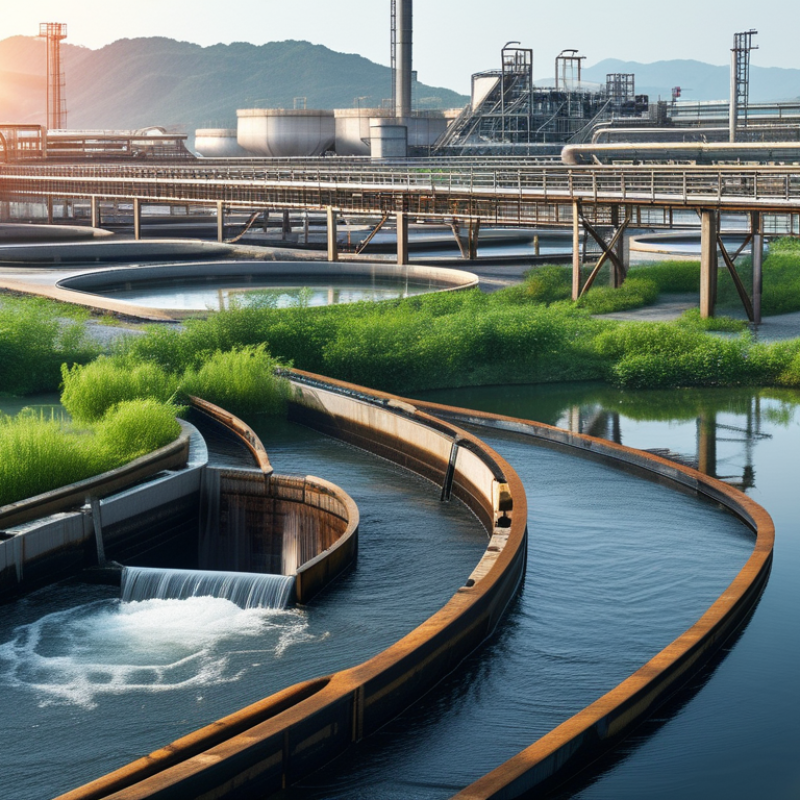
Top 10 Reasons Why Wastewater Treatment Matters for Industries?

Importance of Wastewater Treatment in Industrial Processes

Industries generate significant amounts of wastewater, which can pose serious environmental risks. In fact, the United Nations reports that industrial activities produce about 300 to 400 billion cubic meters of wastewater annually. This staggering number highlights the need for effective treatment. Proper wastewater treatment not only protects ecosystems but also conserves water resources. Estimates suggest that for every liter of treated wastewater, at least one liter can be reused, promoting sustainable practices.

Furthermore, incorporating wastewater treatment into industrial processes can drive financial benefits. According to a study by the Water Environment Federation, industries can save up to 40% on their water costs through effective recycling methods. This approach also reduces regulatory risks associated with non-compliance. Failing to treat wastewater can lead to hefty fines and damage to a company’s reputation. As industries face heightened scrutiny, demonstrating responsibility in managing wastewater sets them apart in the market.

Despite these benefits, some industries still overlook wastewater treatment. Challenges such as high upfront costs deter many companies. However, the long-term savings and environmental impact should not be ignored. With the increasing pressure to adopt sustainable practices, the role of wastewater treatment in industrial processes is more crucial than ever.

Environmental Impact of Untreated Wastewater on Ecosystems

Untreated wastewater poses significant threats to ecosystems. When industries neglect proper treatment, harmful substances enter rivers and oceans. This contamination disrupts aquatic life, leading to long-term ecological imbalances. Fish and other organisms absorb toxins, impacting their health and reproduction. As a result, entire food chains can face collapse, affecting biodiversity.

In addition to biodiversity loss, untreated wastewater harms water quality. Algal blooms can thrive in polluted waters, suffocating life below. These blooms consume oxygen, creating dead zones where aquatic life cannot survive. Coastal areas suffer economically, as tourism and fishing industries decline. Communities reliant on these industries face challenges, both environmentally and economically.

Reflecting on these effects reminds us how interconnected our actions are with nature. It's easy to overlook the hidden costs of wastewater. However, we must recognize our shared responsibility in protecting ecosystems. A shift towards responsible wastewater management is key to fostering healthier environments for future generations.

Economic Benefits of Efficient Wastewater Management for Industries

Efficient wastewater management offers significant economic benefits for industries. By treating wastewater properly, companies can reduce costs associated with fines and regulatory compliance. The initial investment may seem high. However, the long-term savings typically outweigh these costs. Improved practices can also enhance operational efficiency, leading to lower utility bills.

Industries that adopt efficient treatment methods often see a boost in their reputation. This reputation can attract environmentally conscious consumers and investors. Building a sustainable brand leads to increased market share. Additionally, properly treated wastewater can be reused in processes, further saving on fresh water costs. It creates a closed-loop system, reducing reliance on external water supply.

While the benefits are clear, challenges remain. Many industries struggle to implement effective practices due to a lack of knowledge or resources. Training staff is essential but can be overlooked in budgeting. Some companies may not fully appreciate the potential savings from treating wastewater effectively. It can take time to realize these gains, leading to skepticism. Education and investment in reliable systems are crucial for lasting success.

Top 10 Reasons Why Wastewater Treatment Matters for Industries

Regulatory Compliance and Legal Obligations in Wastewater Treatment

Wastewater treatment is crucial for industries, especially in terms of regulatory compliance. Companies must adhere to local, state, and federal regulations regarding wastewater discharge. These laws are designed to protect public health and the environment. Compliance can prevent substantial fines and legal repercussions. Regular audits and inspections ensure adherence to these requirements.

Some companies may struggle with understanding the specific regulations that apply to them. This can lead to unintentional violations. The complexity of legal obligations often requires expert advice. Engaging environmental consultants can clarify these regulations. They help firms establish effective treatment processes. Inadequate treatment can result in penalties and damage a company’s reputation.

Investing in proper wastewater management is essential. Not only does it ensure compliance, but it also fosters trust with customers and the community. Companies are held accountable for their environmental impact. Overall, regulatory compliance in wastewater treatment is not just a legal obligation; it's a commitment to sustainability and corporate responsibility.

Technological Innovations in Wastewater Treatment for Sustainable Practices

Technological innovations in wastewater treatment are essential for sustainable industrial practices. According to the United Nations, over 80% of global wastewater is released untreated. This poses immense risks to both human health and the environment. With rising pressures from regulatory agencies, industries must adopt advanced treatment methods.

Membrane bioreactors (MBRs) are gaining traction in various sectors. They combine biological treatment with membrane filtration. This results in high-quality effluent that meets stringent standards. A recent report from the Water Environment Federation shows that MBRs can reduce overall treatment costs by 30%. Additionally, they minimize the footprint of treatment plants, making them suitable for urban settings.

Another promising innovation involves the use of artificial intelligence. AI can optimize operational efficiency and predict maintenance needs. According to a study by McKinsey, AI integration can increase efficiency by up to 40% in wastewater facilities. However, these technologies come with challenges. Not all industries are ready to implement them due to costs and training needs. As industries strive for sustainable practices, addressing these barriers becomes crucial.

Top 10 Reasons Why Wastewater Treatment Matters for Industries

Reason Description Technological Innovations Sustainable Practices
Regulatory Compliance Ensures industries meet environmental laws. Automated monitoring systems. Reduces legal liabilities.
Cost Savings Lowering operational costs through recycling water. Advanced filtration technologies. Promotes reuse of water resources.
Resource Recovery Extracting valuable materials from wastewater. Biogas recovery systems. Enhances circular economy.
Environmental Protection Minimizing pollution in local water bodies. State-of-the-art treatment plants. Preserves natural ecosystems.
Public Health Protecting communities from waterborne diseases. Innovative sanitation solutions. Promotes community well-being.
Brand Reputation Building trust with consumers through eco-friendly practices. Transparent reporting technologies. Enhances corporate responsibility.
Innovation and Research Driving new solutions through wastewater technologies. Collaboration with research institutions. Fosters sustainable development.
Energy Efficiency Reducing energy use in operations. Energy-efficient processes. Lower carbon footprint.
Economic Growth Supporting local economies through sustainable practices. Investment in green technologies. Promotes job creation.
Future Sustainability Preparing for future water scarcity issues. Innovative water reuse solutions. Contributes to sustainable development goals.

FAQS

: What is the impact of untreated wastewater on ecosystems?

: Untreated wastewater significantly disrupts aquatic life and can lead to ecological imbalances. Toxic substances harm fish and other organisms.

How does untreated wastewater affect water quality?

It causes algal blooms that deplete oxygen in waters, creating dead zones where aquatic life cannot survive.

What economic challenges do communities face due to untreated wastewater?

Communities reliant on tourism and fishing may suffer economically as these industries decline due to water pollution.

What benefits can industries gain from efficient wastewater management?

Proper treatment reduces fines, lowers utility costs, and improves operational efficiency, leading to long-term savings.

Why might companies struggle with implementing effective wastewater practices?

A lack of knowledge, resources, and insufficient staff training often hinders effective wastewater management in industries.

How can industries improve their reputation through proper wastewater treatment?

By adopting sustainable practices, companies attract environmentally conscious consumers, which can increase market share.

Why is regulatory compliance important for wastewater treatment?

Compliance prevents fines and protects public health, making it essential for companies to adhere to local regulations.

What can happen if companies do not understand specific wastewater regulations?

Misunderstanding can lead to unintentional violations, resulting in penalties and damage to the company’s reputation.

How can firms ensure effective wastewater treatment?

Engaging environmental consultants can help clarify regulations and establish effective treatment processes.

What is the broader responsibility of companies regarding wastewater management?

Companies must recognize their impact on the environment and work towards sustainable practices to foster accountability.

Conclusion

Wastewater treatment is crucial for industries for several reasons. Firstly, it ensures compliance with environmental regulations, helping businesses avoid legal repercussions while safeguarding ecosystems from the harmful effects of untreated wastewater. The industrial processes often generate significant amounts of wastewater that can severely impact local water bodies if not properly managed. Thus, the question of "why is wastewater treatment important for industries" is not just about meeting legal obligations; it's also about protecting the environment and promoting sustainability.

Moreover, efficient wastewater management contributes to economic benefits for industries. By investing in advanced technological innovations, companies can reduce costs associated with waste disposal and potentially recover valuable resources from wastewater. This not only enhances their operational efficiency but also positions them as environmentally responsible businesses in the eyes of consumers and stakeholders. Overall, the importance of wastewater treatment in industrial processes cannot be overstated, as it encapsulates environmental protection, regulatory compliance, and economic advantages.

Aria

Aria

Aria is a dedicated marketing professional with a deep passion for innovative strategies and a keen understanding of our company's product offerings. With a wealth of experience in the industry, Aria excels at crafting engaging content that highlights the unique features and benefits of our......