Olaprixa Industrial Olaprixa Industrial

Can Treated Wastewater Be Safely Reused for Drinking Water?

Time:2026-07-06 Author:Liam
0%

The urgent need for water sustainability raises a critical question: can treated wastewater be reused safely for drinking water? According to the American Water Works Association, water scarcity affects over 2 billion people globally. Many regions face increasing pressure on freshwater resources. Treated wastewater presents a potential solution to this crisis.

Studies show that advanced treatment processes can remove contaminants effectively. The National Research Council highlights that technologies like reverse osmosis can achieve high levels of purification. However, public perception often lags behind these advancements. Trust in safety is crucial for widespread acceptance. A survey from the WaterReuse Association revealed that 60% of respondents are concerned about the safety of reused water.

Despite the promise, challenges remain. Both technical and regulatory frameworks must evolve. Ongoing research is necessary to address potential health risks associated with drinking treated wastewater. Ensuring safe reuse requires transparency and robust monitoring systems. As we explore this topic, we must consider both the scientific possibilities and the societal hurdles. The goal is to build confidence in the question at hand: can treated wastewater be reused safely?
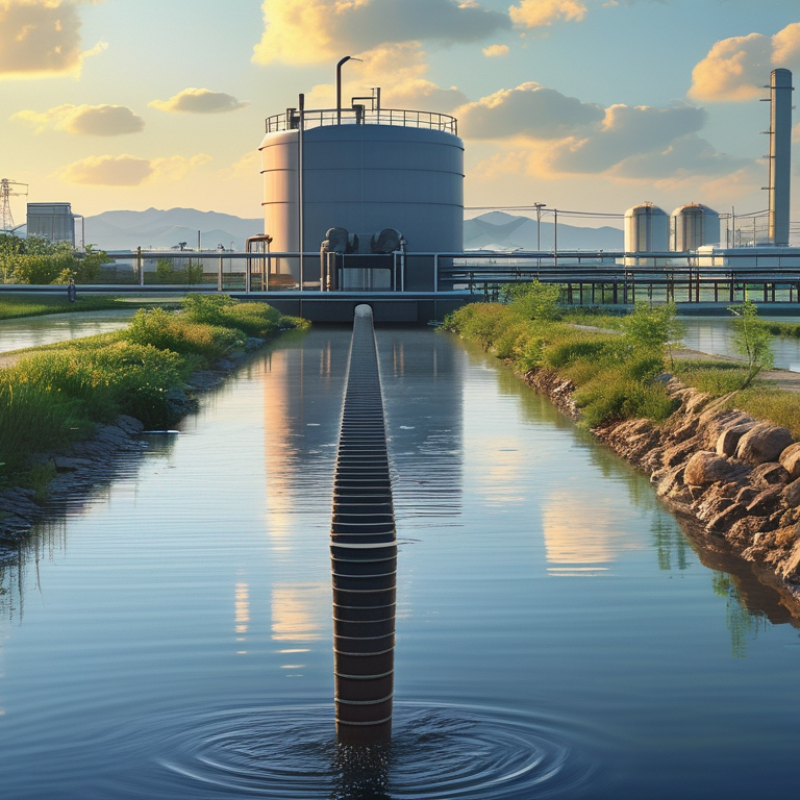
Can Treated Wastewater Be Safely Reused for Drinking Water?

Overview of Treated Wastewater and Its Potential Uses

Treated wastewater has gained attention as a potential resource for drinking water. This process involves treating sewage and industrial water to meet safety standards. Various treatment methods include filtration, chemical treatments, and advanced processes. Each method contributes to purifying the water, making it suitable for reuse.

One significant application of treated wastewater is in agriculture. Farmers use it for irrigation, providing plants with necessary nutrients. However, concern exists over the presence of contaminants. Not all treatments eliminate harmful substances completely. The variability in treatment efficacy raises questions about safety.

In urban settings, treated wastewater can be recycled for non-potable uses such as flushing toilets and landscape irrigation. While effective, public perception often leans towards skepticism. Building trust in treated water requires ongoing education and transparency in the treatment process. People need assurance that their health is prioritized through rigorous testing and monitoring systems.

Can Treated Wastewater Be Safely Reused for Drinking Water? - Overview of Treated Wastewater and Its Potential Uses

Parameter Typical Values in Treated Wastewater Safe Levels for Drinking Water Comments
Total Dissolved Solids (TDS) 400 - 1,000 mg/L 500 mg/L Higher TDS can affect taste; advanced treatment may be necessary.
Biological Oxygen Demand (BOD) 10 - 30 mg/L 5 mg/L Lower BOD indicates better quality for drinking.
Pathogens (e.g., E. coli) Present but treated None detectable Effective disinfection methods are crucial.
Nutrients (Nitrate, Phosphate) Variable Acceptable limits vary by local regulations Can contribute to eutrophication if reused for irrigation.
Heavy Metals (Lead, Arsenic) Trace amounts Regulatory limits apply Careful monitoring required; advanced treatment may be needed.

Current Methods of Wastewater Treatment for Reuse

The treatment of wastewater for reuse has gained significant attention. Various methods are employed to make treated wastewater safe for drinking. Advanced filtration methods, such as reverse osmosis, remove contaminants effectively. This method uses pressure to drive water through a semipermeable membrane. Microbes and larger particles are filtered out.

Another common technique is UV disinfection. Ultraviolet light effectively kills pathogens in water. This process requires careful monitoring. Despite being effective, it does not remove all chemical contaminants. Sometimes, additional treatments are needed. Chemical processes, like chlorination, can be used as a follow-up measure. Balancing effectiveness and safety remains a challenge. Not all facilities have the resources for these advanced systems.

Public perception of treated wastewater also poses obstacles. People often hesitate to accept recycled water for drinking. Building trust is essential. Open discussions about treatment methods may alleviate fears. Transparency about potential health risks is crucial. Continuous improvements in treatment technology will provide safer options for future generations.

Health and Safety Standards for Reusing Treated Wastewater

Reusing treated wastewater for drinking water is a complex issue. Health and safety standards are crucial for ensuring it is safe. Different regions have varying regulations in place. Some areas rely on thorough testing and monitoring of water quality. Others may not have established guidelines.

Advanced treatment processes can remove harmful contaminants. These processes include filtration and disinfection techniques. However, concerns remain about certain pathogens and emerging pollutants. Regular assessments are essential to keep water safe. Communities must understand the risks involved. Trust in the system is vital for public acceptance.

Education plays a key role in this conversation. People need to be informed about the treatment processes. Transparency helps in demystifying the reuse of treated wastewater. Ongoing research can provide insights into safety standards. The topic requires continuous dialogue among stakeholders. Awareness and understanding will foster a culture of safety in water reuse.

Case Studies: Successful Implementation of Wastewater Reuse

The reuse of treated wastewater for drinking purposes has led to innovative solutions across various regions. Countries like Singapore and Israel have successfully implemented wastewater reuse programs that serve as benchmarks around the world. In Singapore, the NEWater initiative treats and purifies sewage to produce high-quality water. This system can supply up to 40% of the nation's water demand.

Another compelling case is in Orange County, California, where the Water District’s Groundwater Replenishment System is a role model for similar projects. This system treats wastewater and injects it into aquifers, replenishing local water supplies. The process involves stringent purification steps, achieving a 99.9% removal of contaminants. Reports show this system has improved local water security and environmental sustainability.

Tips: Regular monitoring is vital in any wastewater reuse system to ensure safety. Community engagement can boost public confidence in treated water. Transparency about treatment processes tends to allay public concerns.

Though these systems showcase promise, challenges remain. Public skepticism about drinking treated wastewater is common. Balancing community concerns with technological advancements requires careful communication and education. Addressing these issues is crucial for realizing the full potential of wastewater reuse initiatives.

Challenges and Controversies Surrounding Wastewater Reuse for Drinking

Treated wastewater presents intriguing challenges for drinking water reuse. Experts warn of potential health risks. Contaminants may remain, leading to public hesitance. A 2022 report from the International Water Association highlighted that fear of pathogens often hampers acceptance. This concern is valid, as some treatments might not eliminate all harmful microorganisms.

Environmental impact is another critical concern. The energy consumption of advanced purification processes can be substantial. According to the U.S. Environmental Protection Agency, energy use can increase by 30% when reusing wastewater, raising questions about sustainability. Water scarcity remains a pressing issue, yet the route to safe reuse is fraught with obstacles. Communities often grapple with the cost of innovative treatment systems, making widespread adoption challenging.

Public perception plays a vital role in this debate. A survey from the Water Research Foundation found that only about 25% of respondents supported drinking water from treated wastewater. This skepticism can sabotage well-planned projects. Education and transparency may ease fears, but they take time. Proponents argue that with improved technology and better understanding, acceptance can grow. Yet, the road ahead is complex and requires careful navigation.

Challenges in Wastewater Reuse for Drinking Water

FAQS

: What is treated wastewater?

: Treated wastewater is sewage and industrial water that has been processed to meet safety standards for reuse.

How is treated wastewater used in agriculture?

Farmers use treated wastewater for irrigation, supplying necessary nutrients to crops. However, contaminants may still be present.

What are the perceptions of treated wastewater in urban areas?

In cities, treated wastewater is often used for non-potable purposes. Public skepticism exists, affecting acceptance.

Why is public trust important in using treated wastewater?

Trust is vital for acceptance. Ongoing education about safety and treatment processes helps build confidence in the system.

What health standards apply to treated wastewater?

Different regions have varying regulations. Regular monitoring and testing can ensure that treated water is safe.

Are all contaminants removed in treated wastewater?

Not all treatments eliminate harmful substances entirely. Ongoing research is essential to address emerging pollutants.

Can treated wastewater be used for drinking?

Yes, but it requires advanced treatment processes and strict health standards to ensure safety for consumption.

What are some successful examples of wastewater reuse?

Countries like Singapore and Israel have implemented successful wastewater reuse programs, significantly enhancing water availability.

What challenges remain in wastewater reuse initiatives?

Public skepticism and the need for transparent communication pose challenges. Education is crucial for overcoming these barriers.

How can community engagement improve treated wastewater acceptance?

Engaging communities can enhance public confidence in treated water. Transparency about processes helps address their concerns.

Conclusion

The article "Can Treated Wastewater Be Safely Reused for Drinking Water?" explores the potential of treated wastewater as a sustainable water source. It outlines various methods of wastewater treatment, emphasizing advancements that enable safe reuse in households and industry. Health and safety standards play a crucial role in ensuring the public's confidence in water quality derived from wastewater sources.

Moreover, the article presents successful case studies highlighting cities and regions that have successfully implemented wastewater reuse programs. Despite the promising benefits, the article also addresses the challenges and controversies surrounding public perception and regulatory hurdles. Ultimately, the discussion centers on whether can treated wastewater be reused safely, aiming to foster a balanced understanding of its benefits and risks for drinking water purposes.

Liam

Liam

Liam is a dedicated marketing professional with a profound expertise in the industry, where he excels at highlighting the unique advantages of our core products. With a keen understanding of market trends and consumer needs, Liam frequently updates our company’s professional blog, providing......