 Olaprixa Industrial
Olaprixa Industrial
Olaprixa Industrial
In recent years, the importance of effective wastewater treatment has become increasingly clear. Globally, approximately 80% of wastewater is released into the environment without adequate treatment. This is alarming, considering the critical question: what happens if wastewater is not treated? Poorly managed wastewater can contaminate drinking water supplies and harm aquatic ecosystems. According to the World Health Organization, over 2 billion people lack access to safe drinking water, partly due to untreated wastewater.
When wastewater is improperly handled, it carries a mix of harmful pathogens and pollutants. This leads to waterborne diseases that affect millions. For instance, the CDC reports that waterborne diseases contribute to 3.4 million deaths each year. In addition, aquatic life suffers from nutrient overload, causing harmful algal blooms. Such blooms disrupt local fisheries and threaten food security.
The economic impacts are equally significant. Untreated wastewater can damage infrastructure and reduce property values in affected areas. Communities face increased health care costs and lost productivity. The reality is harsh; without effective treatment, we risk not only our environment but also human health and economic stability. With a growing population, the need for improved wastewater management is paramount. This issue deserves our urgent attention and action.
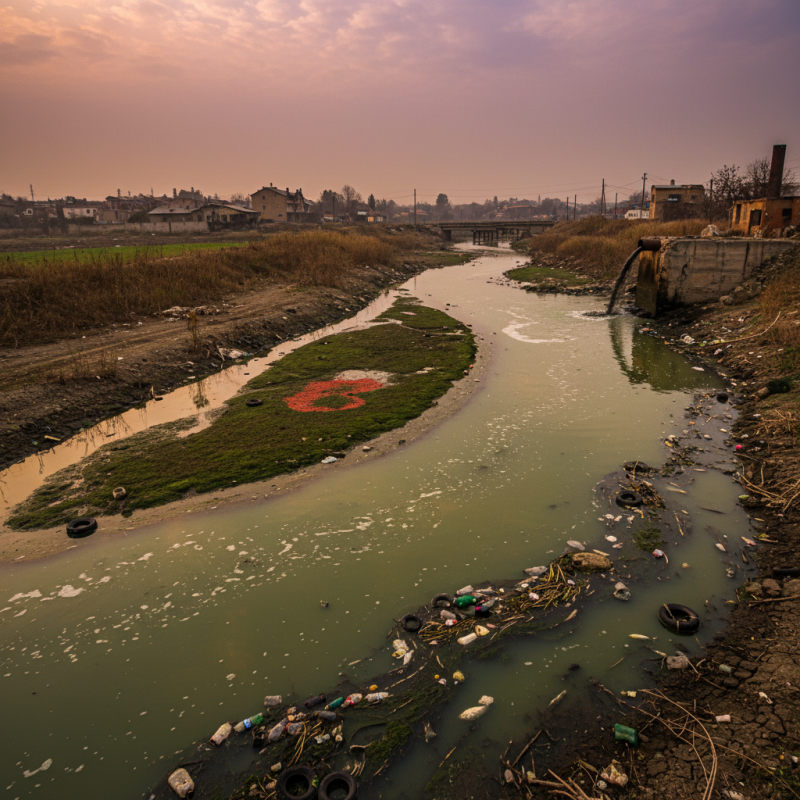
Ineffective wastewater treatment can have serious repercussions on public health. When wastewater is not properly managed, pathogens and harmful chemicals can enter water sources. This leads to a higher risk of waterborne diseases, such as cholera and typhoid. Contaminated drinking water can make entire communities ill, particularly affecting vulnerable populations like children and the elderly.
Residents may notice strange odors or discoloration in their water. This is a warning sign of potential contamination. People should be cautious and avoid consuming untreated water. Regular monitoring of water quality is essential. Engage with local authorities to ensure that wastewater systems are functioning properly.
Maintaining proper sanitation is also crucial. Communities should invest in educational programs about the importance of wastewater treatment. Encourage neighbors to report any irregularities in water quality. Awareness can help prevent outbreaks of disease and safeguard public health. Always prioritize clean and safe water for your family and community.
| Consequence | Description | Public Health Impact | Potential Solutions |
|---|---|---|---|
| Waterborne Diseases | Inadequate treatment can lead to pathogens contaminating drinking water sources. | Increased risk of cholera, dysentery, and hepatitis. | Improving water treatment and sanitation infrastructure. |
| Eutrophication | Nutrient-rich wastewater can cause excessive growth of algae in water bodies. | Decreased oxygen levels affecting aquatic life and human health. | Implementing advanced nutrient removal technologies. |
| Soil Contamination | Improperly treated wastewater can leach into the soil, contaminating groundwater. | Risk of long-term health effects from exposure to toxic substances. | Regular monitoring and remediation of contaminated sites. |
| Public Outbreaks | Failure to treat wastewater can lead to localized outbreaks of disease. | Increase in hospital visits and healthcare costs. | Community health programs and public awareness campaigns. |
| Environmental Impact | Pollution of rivers, lakes, and oceans affects ecosystems. | Loss of biodiversity and ecosystem services. | Strengthening environmental regulations and treatment processes. |
: Untreated wastewater causes nutrient pollution, leading to algal blooms and dead zones. Aquatic life cannot survive in these conditions.
It can lead to a decline of up to 50% of freshwater species. Fish and amphibians are particularly at risk.
Eutrophication is the process caused by excess nutrients in water. It results in severe water quality issues and dead zones.
Poor wastewater treatment can cost countries up to $115 billion annually. This includes healthcare and productivity losses.
Areas near polluted water can see up to a 20% decrease in property values. This impacts homeowners and local businesses.
Unsafe water leads to billions in healthcare costs and millions suffer from water-related illnesses annually.
Ignoring wastewater management threatens public health and economic vitality. The consequences are far-reaching and complex.
Yes, contaminated water can drive away tourism. Healthy environments attract visitors; pollution deters them.
Nutrient pollution and ineffective treatment systems are main contributors. Coastal areas are particularly affected.
Effective wastewater treatment and infrastructure improvements are essential. Without them, conditions will worsen over time.
Ineffective wastewater treatment poses significant risks to public health, as untreated wastewater can lead to the spread of waterborne diseases. This creates a direct threat to communities, particularly in areas with inadequate sanitation infrastructure. Additionally, what happens if wastewater is not treated extends beyond human health. Untreated wastewater can severely harm aquatic ecosystems, leading to the degradation of water quality and loss of biodiversity.
The economic implications are also noteworthy; poor wastewater management can result in substantial costs associated with health care, environmental cleanup, and lost productivity. Moreover, there are regulatory and legal consequences for failing to meet wastewater treatment standards, often resulting in fines and increased scrutiny. Finally, long-term effects on soil quality and agricultural practices can jeopardize food security, making effective wastewater treatment crucial for sustainable development.
