Screw Press Introduction
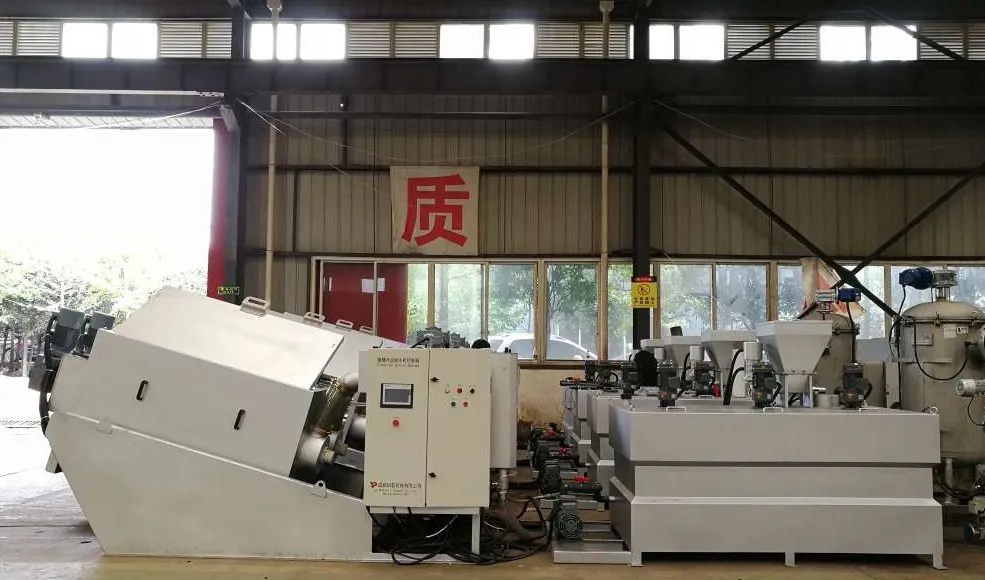
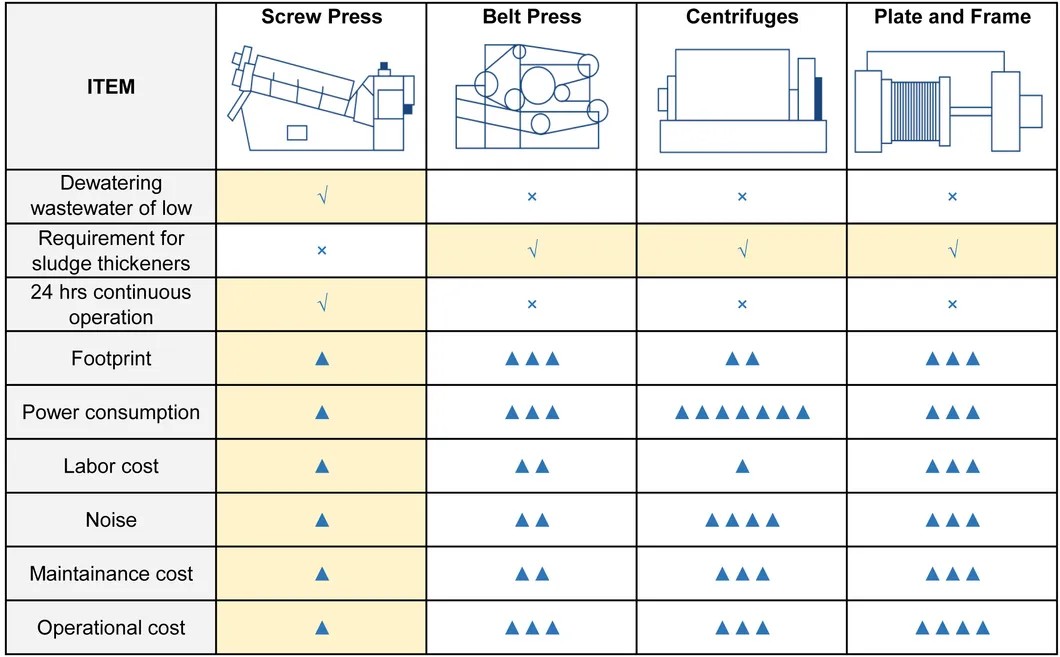
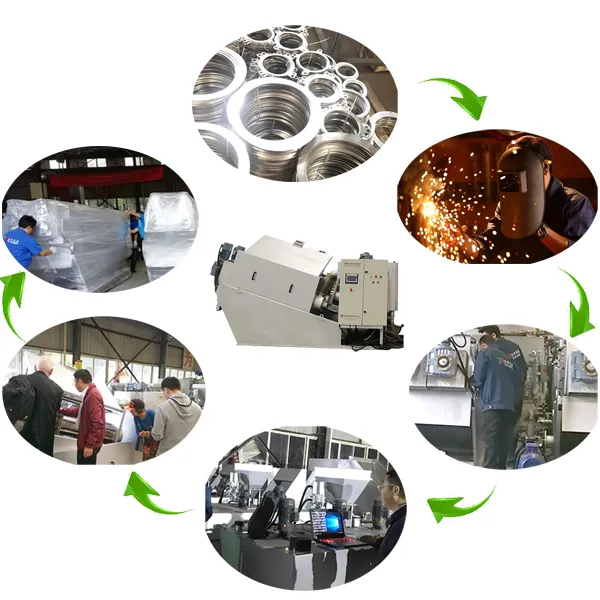
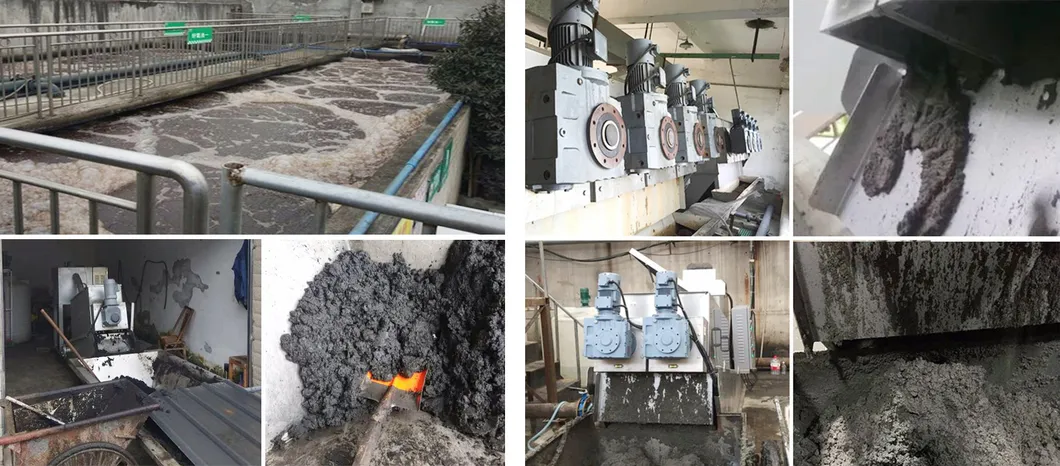
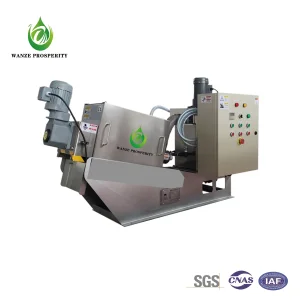
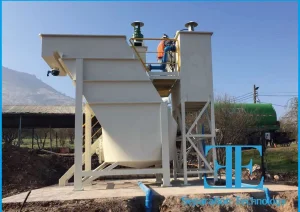
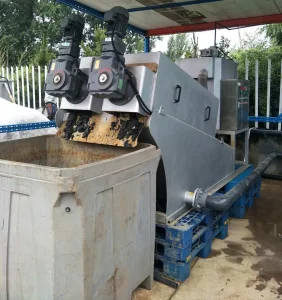
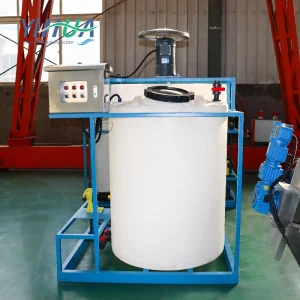
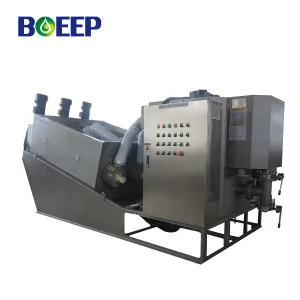
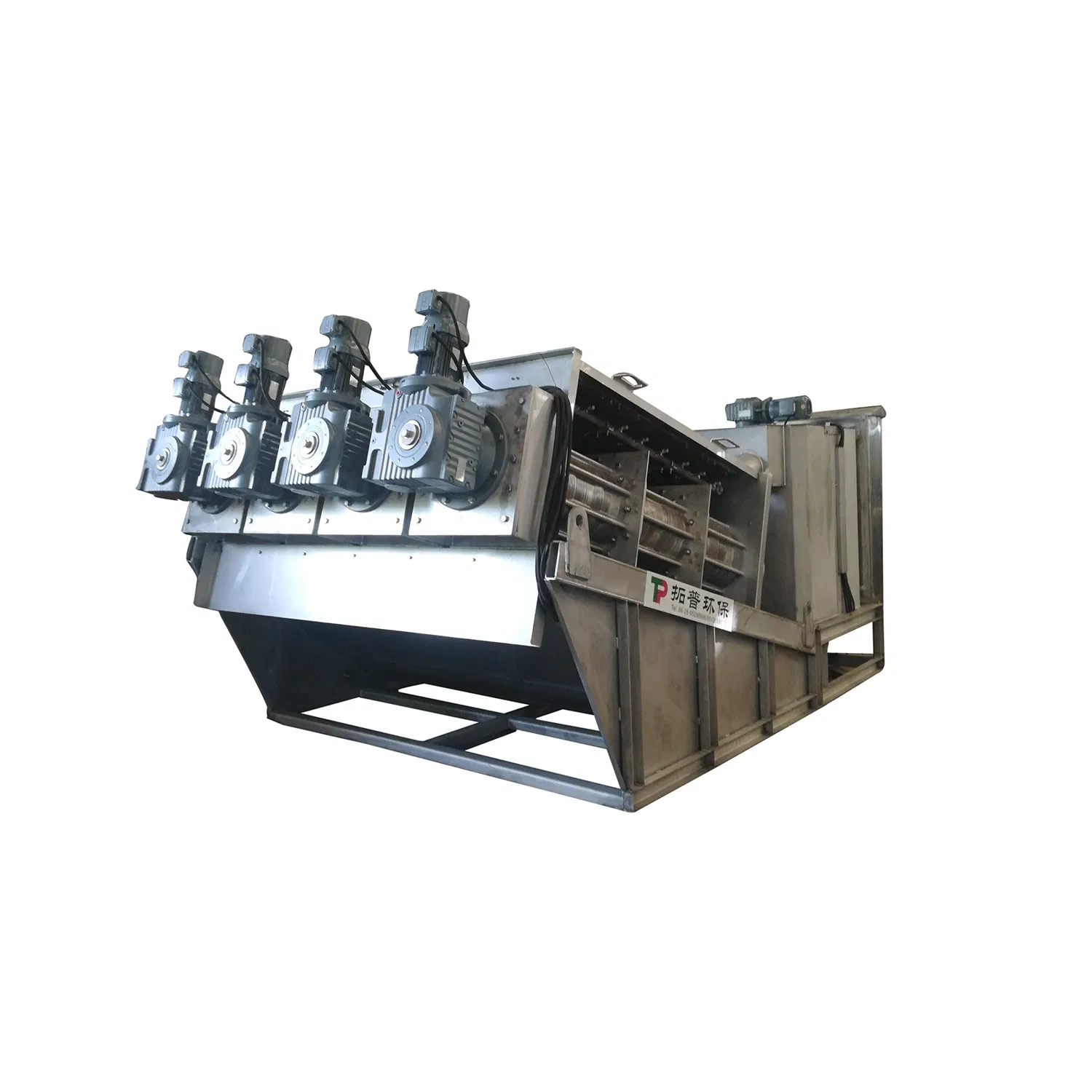
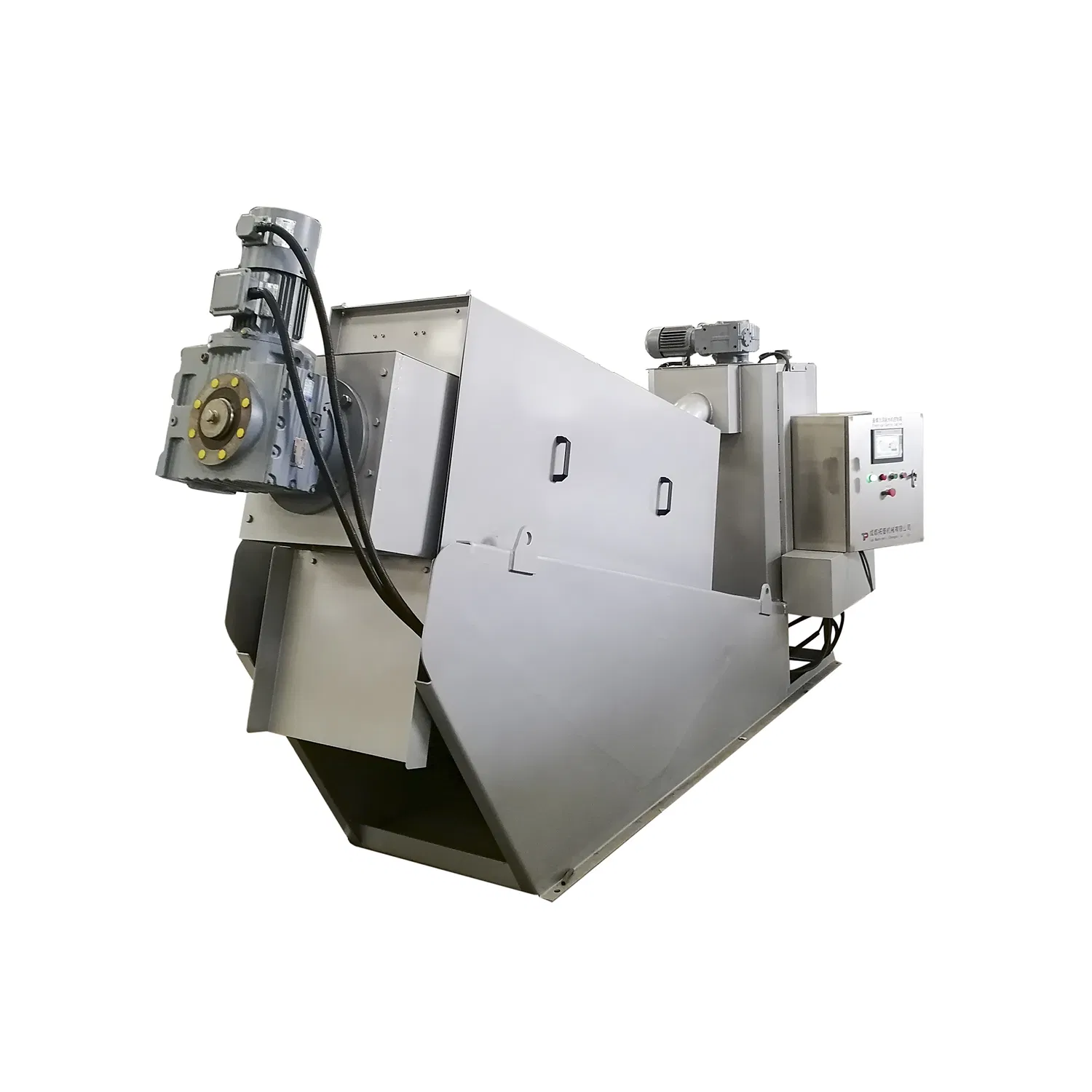
The Volute Sludge Dewatering Machine (TPDL) represents a new generation of screw press technology. It serves as an efficient alternative to traditional equipment like belt presses and frame presses. Designed to be clog-free, it minimizes the need for sedimentation and thickening tanks, significantly reducing construction and operational costs for sewage plants.
Structure & Working Principle
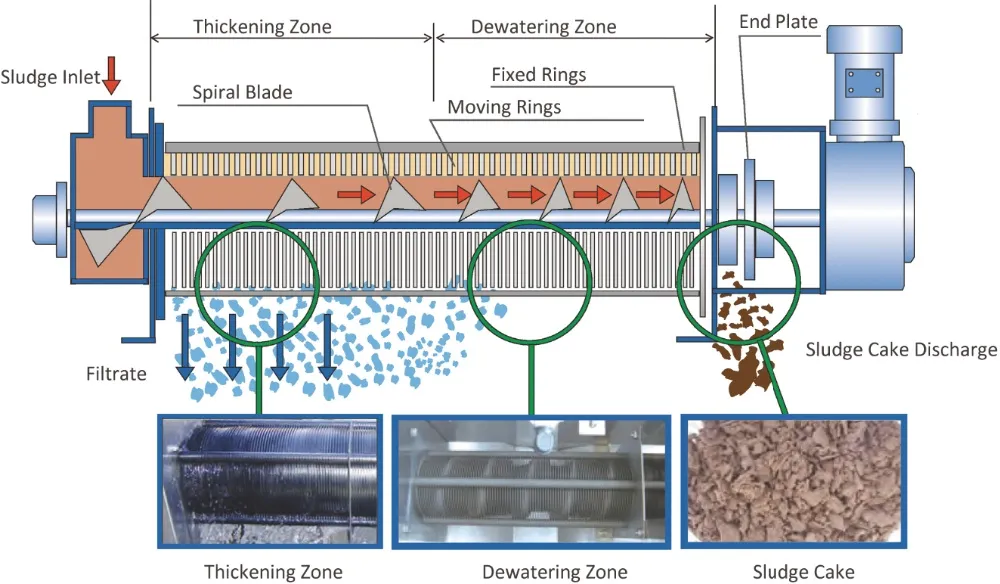
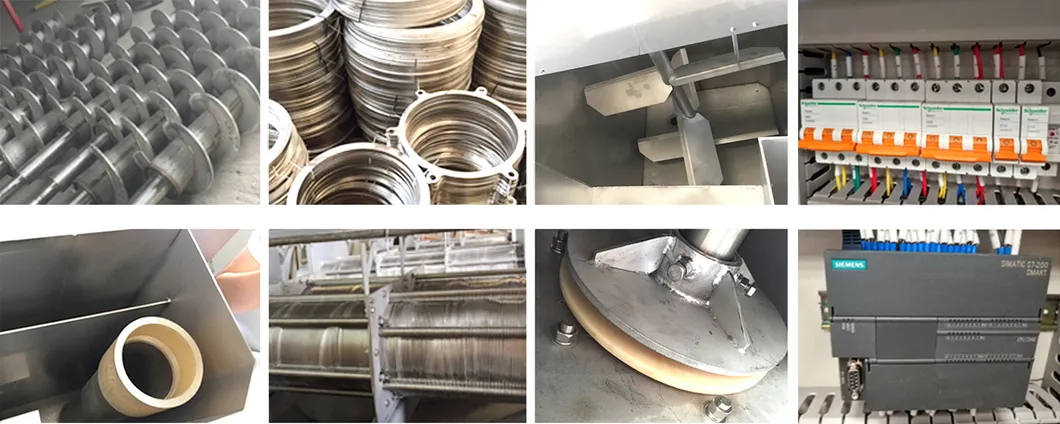
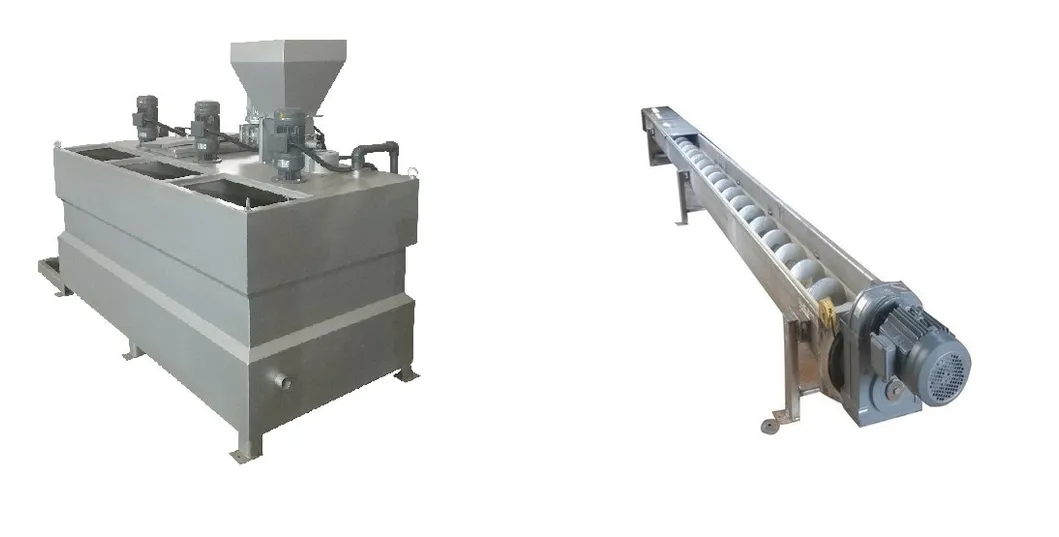
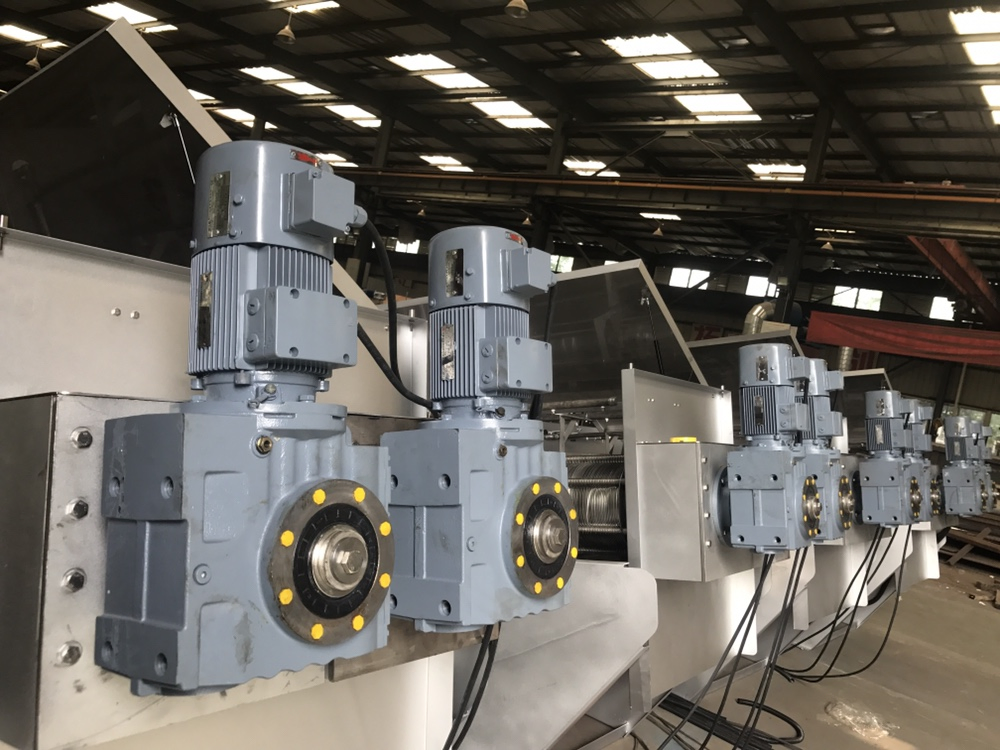
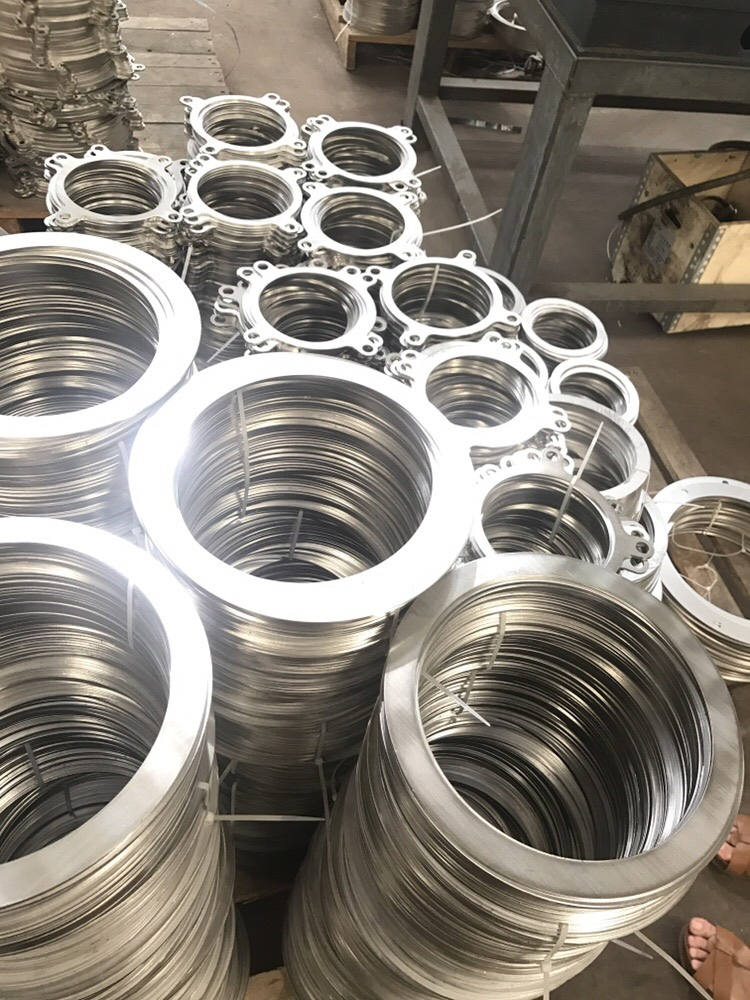
Wastewater is fed into the dewatering machine where sludge moves toward the outlet via helical axis blades. As the gap between the blades narrows, the sludge encounters increasing pressure, initiating the dewatering process. Water is discharged through the spaces between the fixed and moving plates.
Global Experience & Packaging
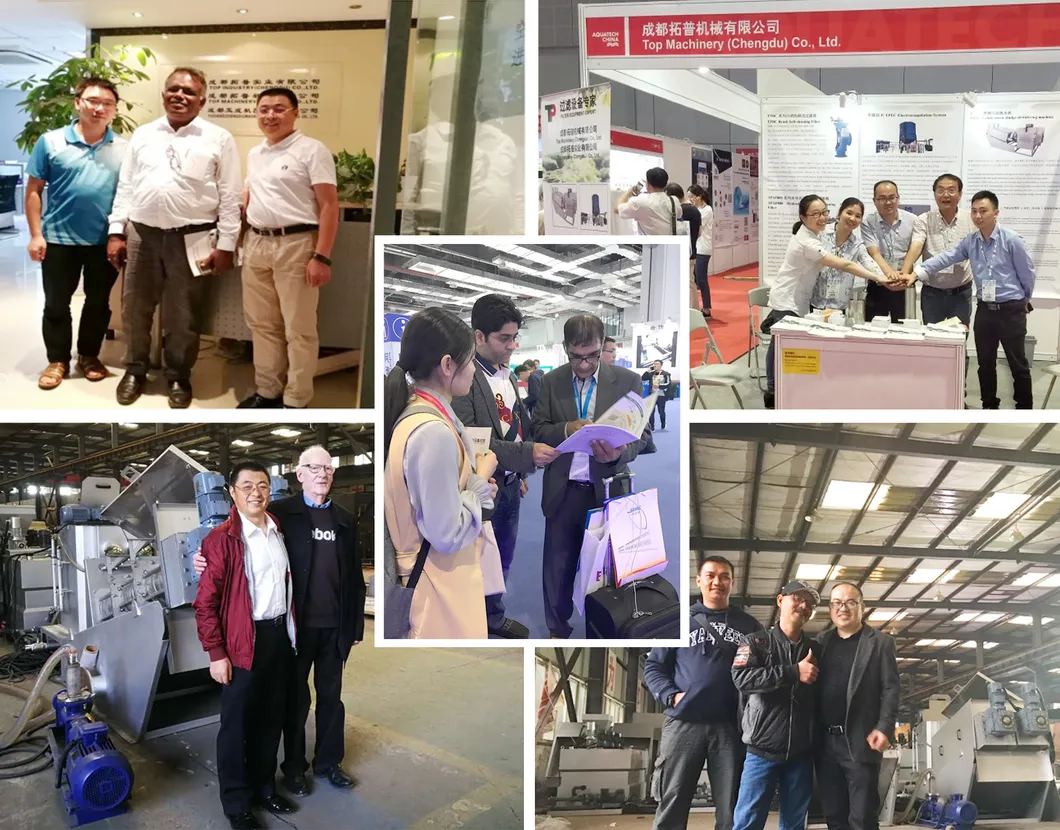
Our machinery is supplied to more than 30 countries across various industries including textile, leather, chemical, and urban sewage treatment.
Frequently Asked Questions (FAQ)
What are the main benefits of the TPDL Screw Press?
It offers low energy consumption, minimal water usage for cleaning, and a clog-free design that handles oily and fibrous sludge better than traditional methods.
Can this machine handle oily sludge?
Yes, the unique fixed and moving ring structure allows the machine to process fats and oils without clogging, which is a common issue for belt filter presses.
Is the machine suitable for small-scale industrial use?
Absolutely. With models starting at a capacity of 5-10kg/H, it is highly scalable for both small industrial workshops and large municipal plants.
What material is used for construction?
The standard construction material is high-quality SS316 stainless steel, ensuring excellent corrosion resistance and long service life in harsh environments.
Does the screw press require a lot of maintenance?
No, the slow-speed operation reduces mechanical wear, and the self-cleaning mechanism prevents clogging, resulting in significantly lower maintenance requirements compared to centrifuges.
How is the equipment packaged for international shipping?
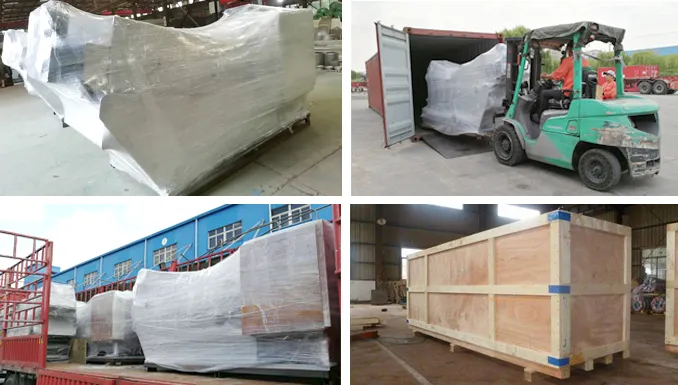
We use standard export wooden boxes or wooden pallets according to the customer's requirements to ensure the safety of the machinery during transport.
 Olaprixa Industrial