Olaprixa Industrial
Olaprixa Industrial
Olaprixa Industrial
In the era of increasing water scarcity and stringent environmental regulations, Tertiary Treatment Systems have evolved from being a luxury to a critical infrastructure requirement for global industrial and municipal sectors. As the final stage of the wastewater treatment process, tertiary treatment (also known as "advanced treatment") is designed to remove residual inorganic compounds, pathogens, and nutrients like nitrogen and phosphorus that primary and secondary treatments cannot adequately address.
Shanghai Olaprixa Industrial Co., Ltd. stands at the forefront of this technological shift. As a specialized manufacturer and engineering provider focused on advanced industrial wastewater treatment solutions, Olaprixa integrates cutting-edge sludge processing and intelligent chemical dosing technologies to deliver superior effluent quality. Our mission is to transform "waste" into a "resource," supporting the global transition toward a circular water economy.
Globally, the market for tertiary treatment is driven by ESG (Environmental, Social, and Governance) commitments and the rising cost of fresh water. Industries ranging from semiconductor manufacturing to food and beverage processing are adopting Advanced Oxidation Processes (AOP), Membrane Bioreactors (MBR), and Reverse Osmosis (RO) systems to achieve high-grade water reuse. In China, the "Action Plan for Prevention and Control of Water Pollution" has pushed factories to upgrade their systems to meet Class 1A discharge standards or higher, positioning Chinese suppliers like Olaprixa as world-class experts in large-scale, cost-effective water engineering.
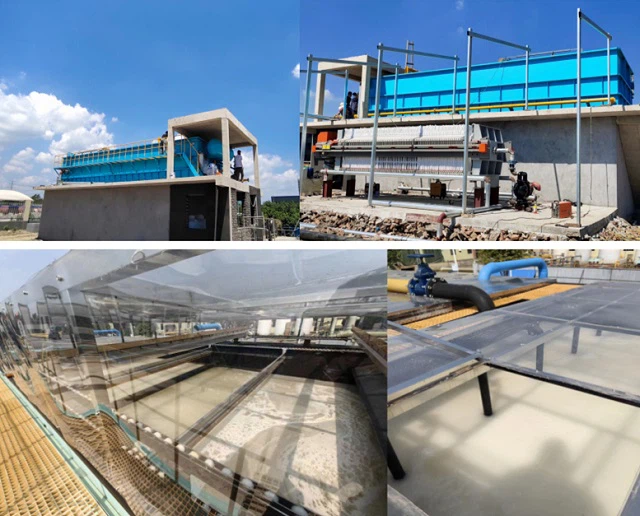
A "one-size-fits-all" approach does not work in wastewater engineering. Olaprixa offers tailored system designs based on the specific chemical oxygen demand (COD), biological oxygen demand (BOD), and mineral content of the influent. Our technical roadmap focuses on three core pillars: Automation, Membrane Efficiency, and Sludge Minimization.
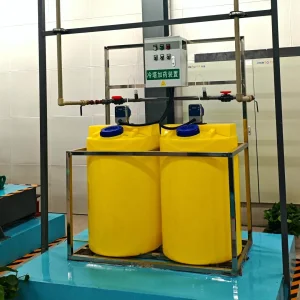
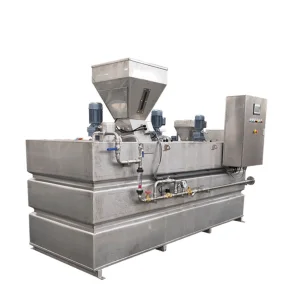
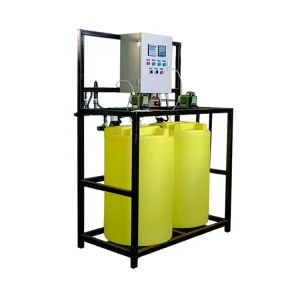
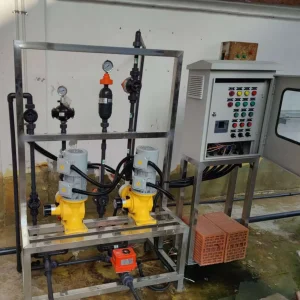
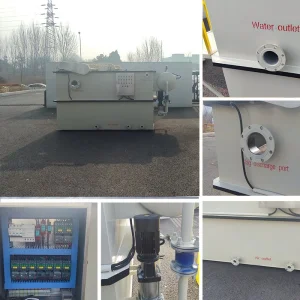
Leveraging PLC-controlled chemical dosing and real-time sensor feedback (pH, ORP, Turbidity) to ensure optimal dosing with minimal human intervention. This reduces labor costs and prevents chemical waste.
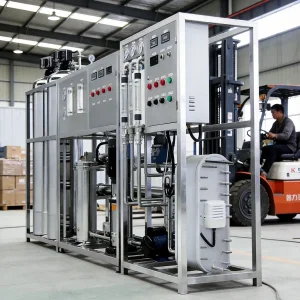
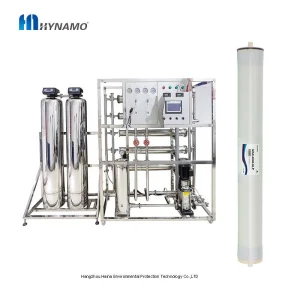
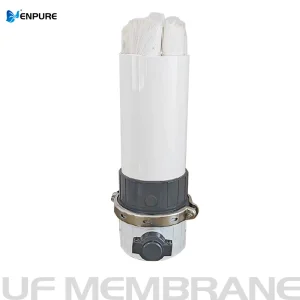
From Ultrafiltration (UF) for pathogen removal to Reverse Osmosis (RO) for desalination, our systems utilize high-permeability membranes to ensure water quality suitable for direct industrial reuse or cooling towers.
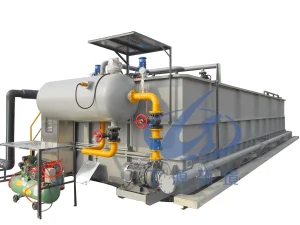
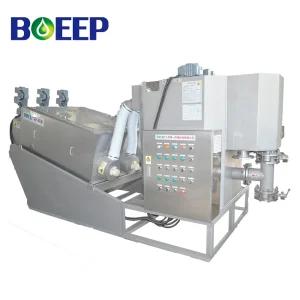
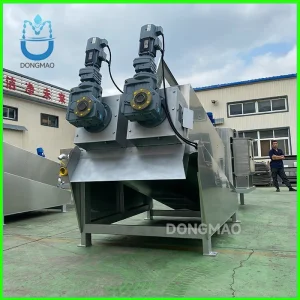
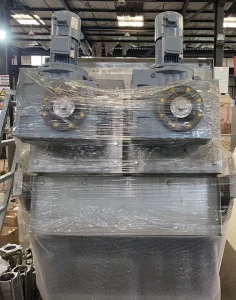
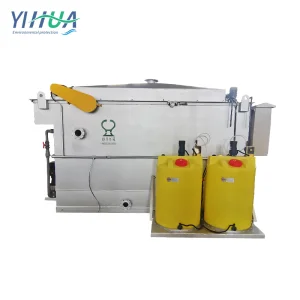
Utilizing Multi-Disk Screw Presses and DAF systems to reduce sludge volume by up to 80%, significantly lowering disposal costs and environmental footprint.
Our systems are deployed across diverse environments:
Operating out of Shanghai, Olaprixa understands the complexities of international logistics and regional compliance. We ensure all equipment meets international standards such as CE, ISO 9001, and specific regional requirements for the Middle East, Southeast Asia, and the Americas. Our localized support includes remote diagnostic capabilities and modular system designs that allow for rapid onsite installation.
The next decade of tertiary treatment will be defined by "Smart Water." Olaprixa is currently investing in AI-driven predictive maintenance, where the system anticipates membrane fouling or pump failure before it occurs. Furthermore, we are exploring advanced nutrient recovery (extracting phosphorus and nitrogen for fertilizer) to turn wastewater treatment plants into "Bio-Refineries."
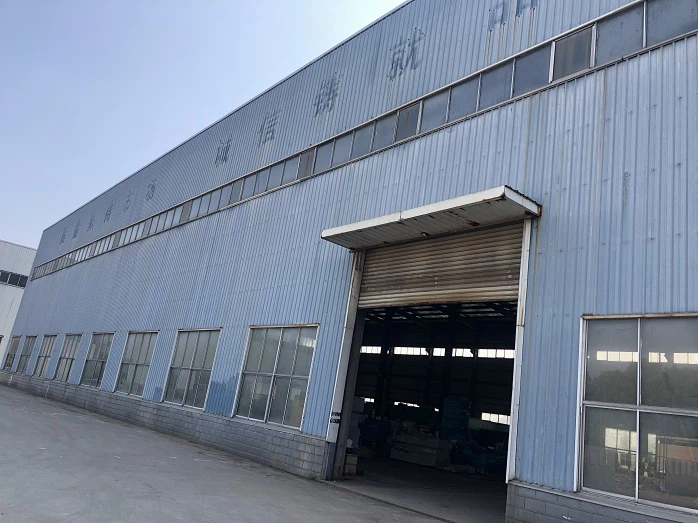
With a strong emphasis on customization, Olaprixa provides tailored water engineering solutions from initial consultation to installation guidance. Our team of experienced engineers continuously works to enhance system efficiency, reduce energy consumption, and improve resource recovery, ensuring long-term environmental responsibility for our global clientele.
A: Secondary treatment uses biological processes to remove organic matter (BOD/COD). Tertiary treatment goes further by using physical and chemical methods (filtration, oxidation, membrane separation) to remove fine particles, nutrients, and dissolved salts.
A: We integrate multi-stage pre-filtration and intelligent anti-scalant dosing systems. By monitoring flow rates and pressure differentials in real-time, the system automatically triggers cleaning cycles (CIP) to prevent permanent fouling.
A: Yes. Many of our solutions, like the Intelligent Chemical Dosing units and DAF systems, are modular and designed to be "plug-and-play" upgrades for existing municipal or industrial facilities.
A: While the initial capital expenditure is higher, the ROI is realized through the elimination of discharge fees, significant reduction in raw water purchase costs, and the potential recovery of valuable byproducts from the waste stream.