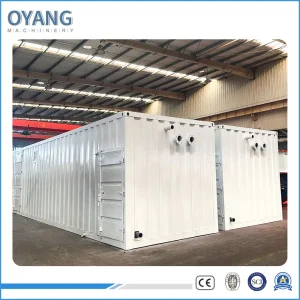
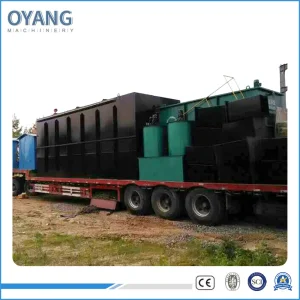
Basic Information
Model NO.:WSZ
Type:Sludge Dewatering Machine
Method:Biological Treatment
Usage:Industrial, Home, Agriculture, Hospital
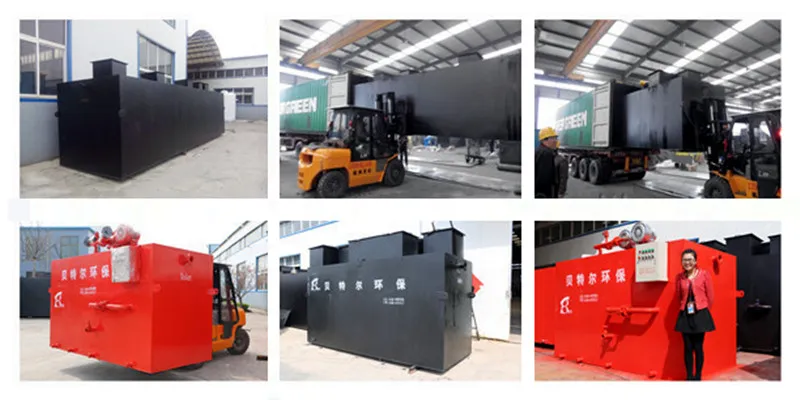
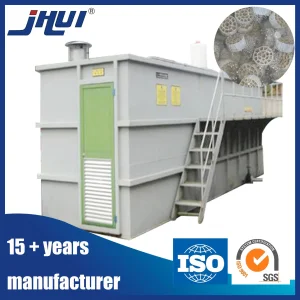
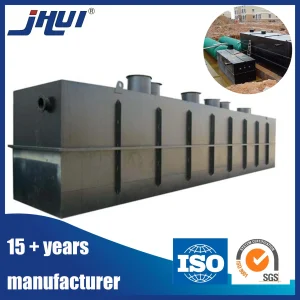
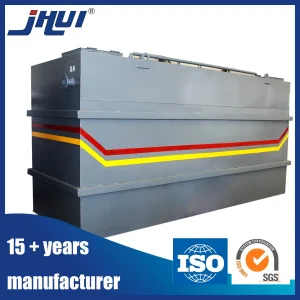
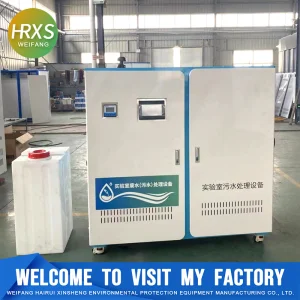
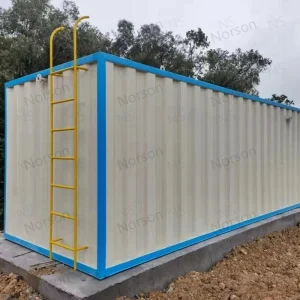
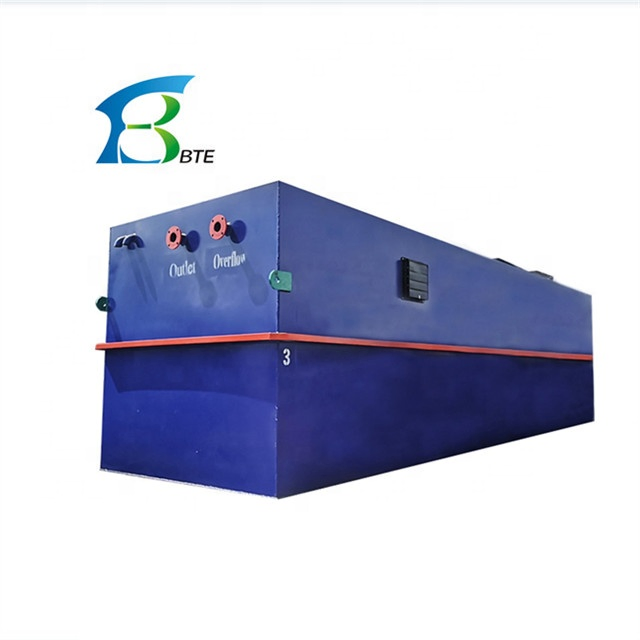
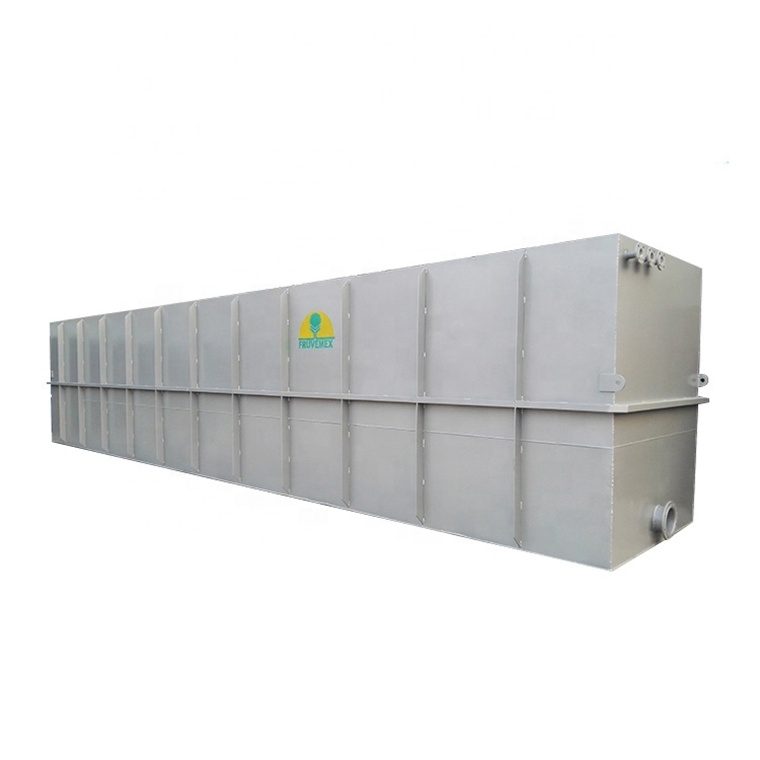
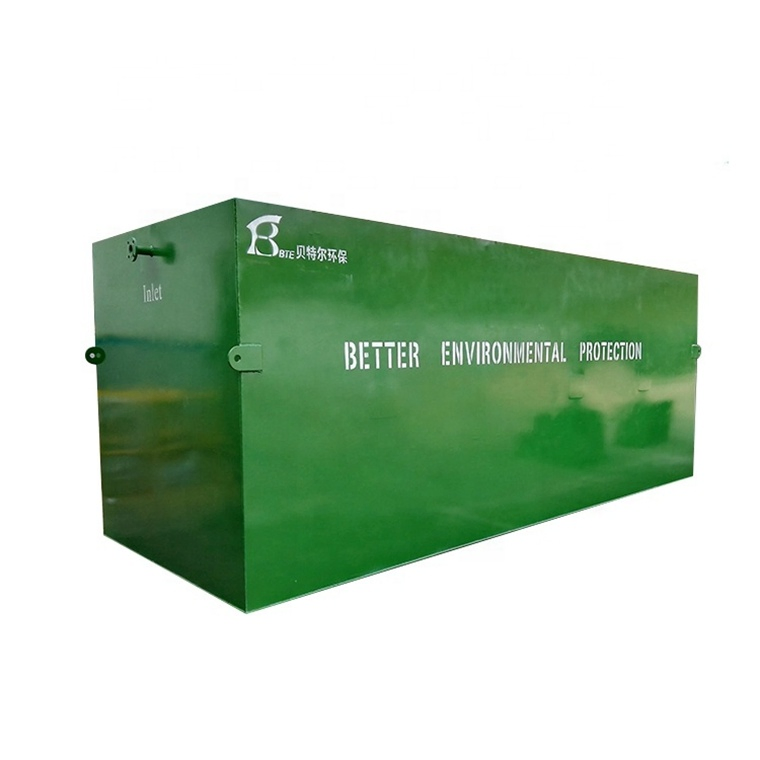
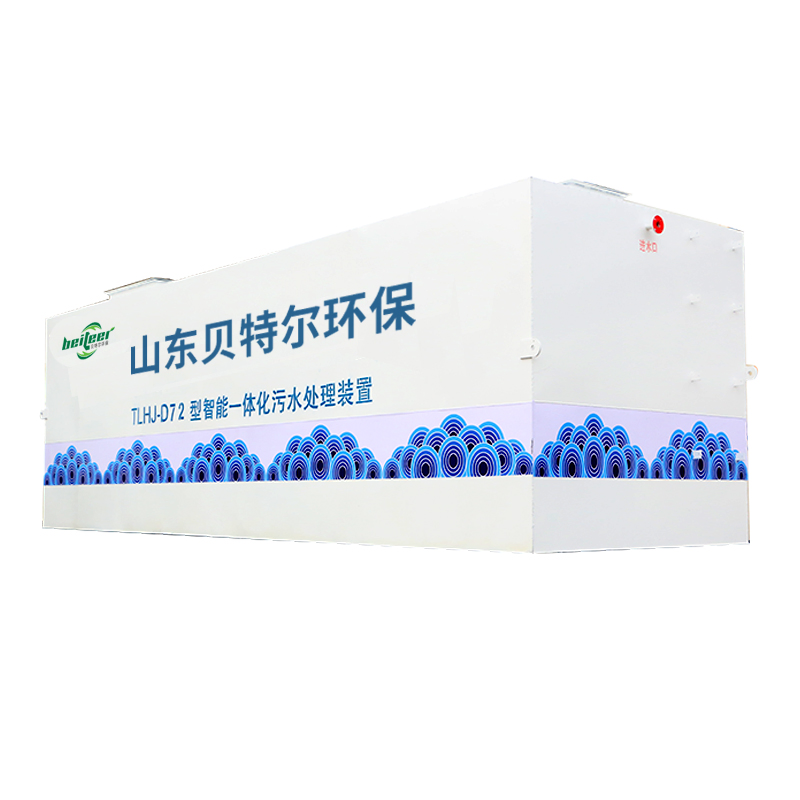
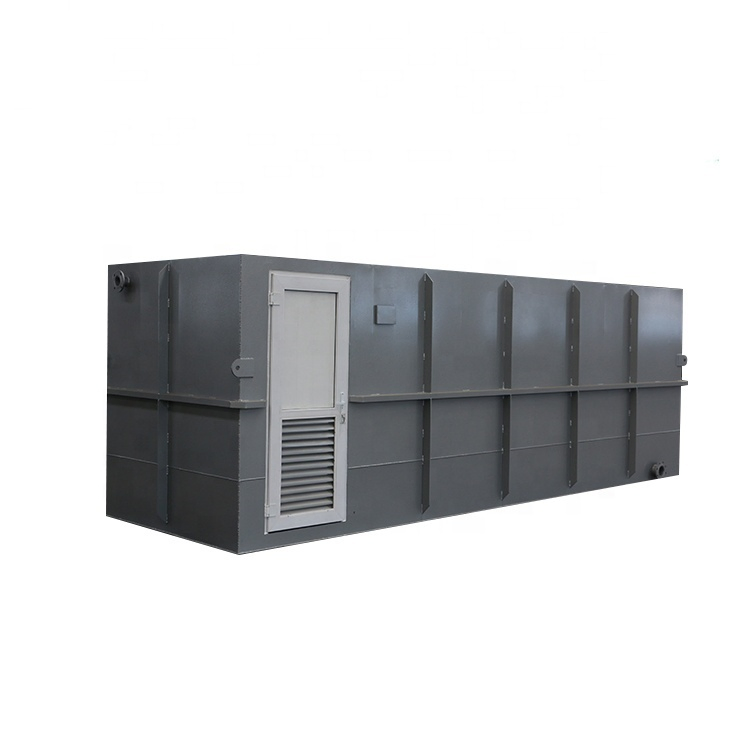
Product Name:Integrated Sewage Treatment Device
Productivity:2000L/Hour
Weight (Kg):3200 Kg
Power:0.5~5.5 kW
Capacity:0.5-30m³/H
Color:Customized Color
Certification:ISO9001
HS Code:8421299090
Product Description
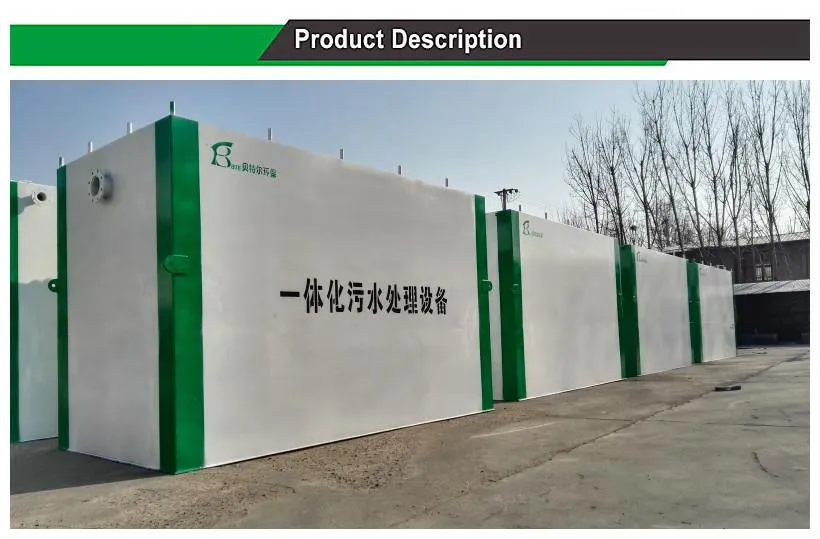
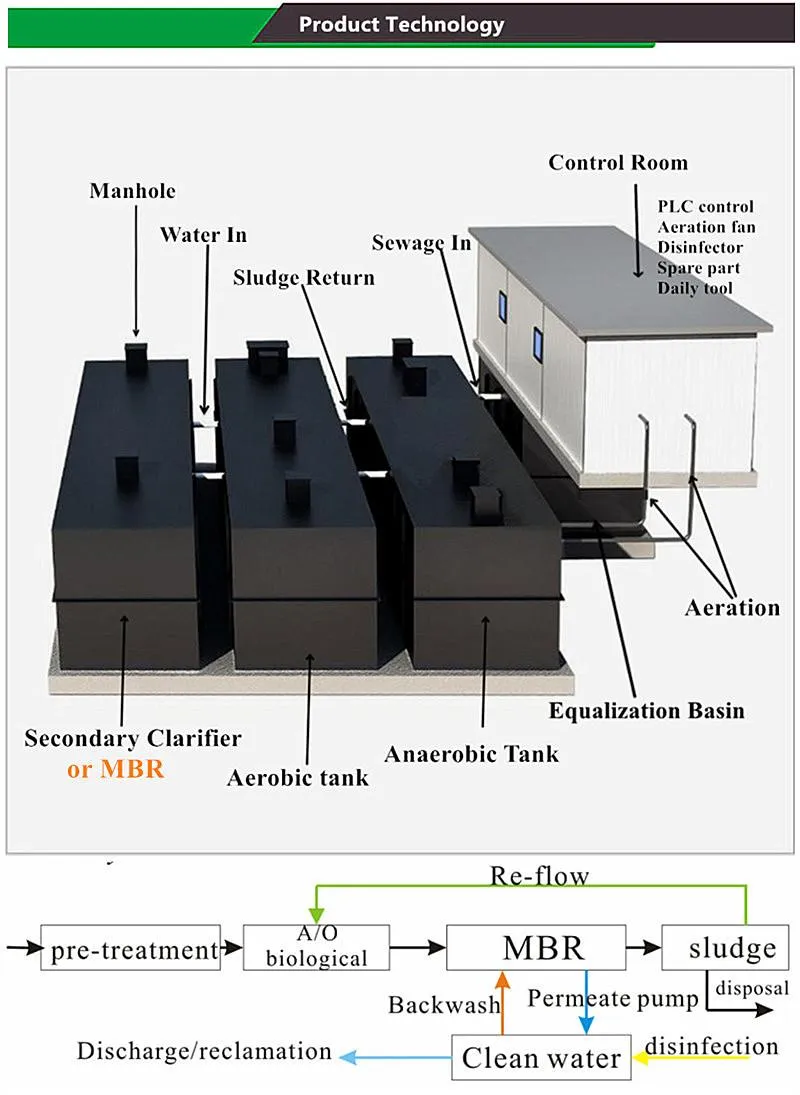
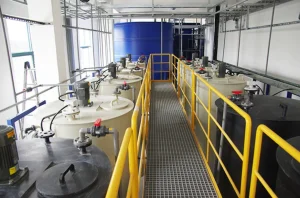
WSZ series devices are equipments that using currently mature biological contact oxidation to treat domestic sewage and similar industrial waste water. Water quality design parameters of wastewater is calculating according to the water quality of domestic sewage, the average influent BOD is 200mg/L then effluent BOD up to 20mg/L. This equipment has a significant treatment effect on the BOD, COD, ammonia and other organic pollutants.
The whole process mainly consists of five parts:
- Adjust pool (not included in the equipment)
- Primary sedimentation tanks
- Contact oxidation pool
- Secondary sedimentation tanks
- Disinfected pool
Frequently Asked Questions
Q1: What technology does the WSZ series use for sewage treatment?
The WSZ series utilizes mature biological contact oxidation technology to treat domestic and similar industrial wastewater effectively.
Q2: Can the equipment be installed underground?
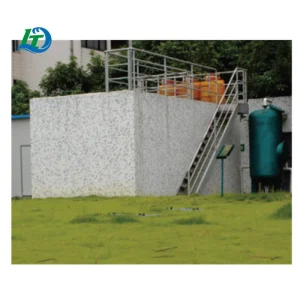
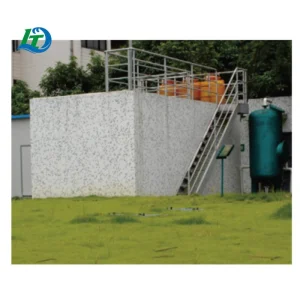
Yes, the system is designed to be buried, allowing the surface area to be used for landscaping, sidewalks, or other purposes without impacting the environment.
Q3: Does the system produce noise or odors during operation?
No, the fully enclosed structure and underground installation ensure there is no noise or unpleasant smell during the treatment process.
Q4: Is professional staff required to manage the equipment?
The device is equipped with an automatic control system, making it highly reliable and requiring no specialized personnel for daily management.
Q5: What are the main application areas for this device?
It is ideal for hotels, hospitals, residential areas, schools, factories, mines, and tourist attractions where domestic-type wastewater needs treatment.
Q6: How efficient is the BOD removal process?
The system can reduce average influent BOD from 200mg/L down to an effluent level of 20mg/L, showing significant removal of organic pollutants.
 Olaprixa Industrial