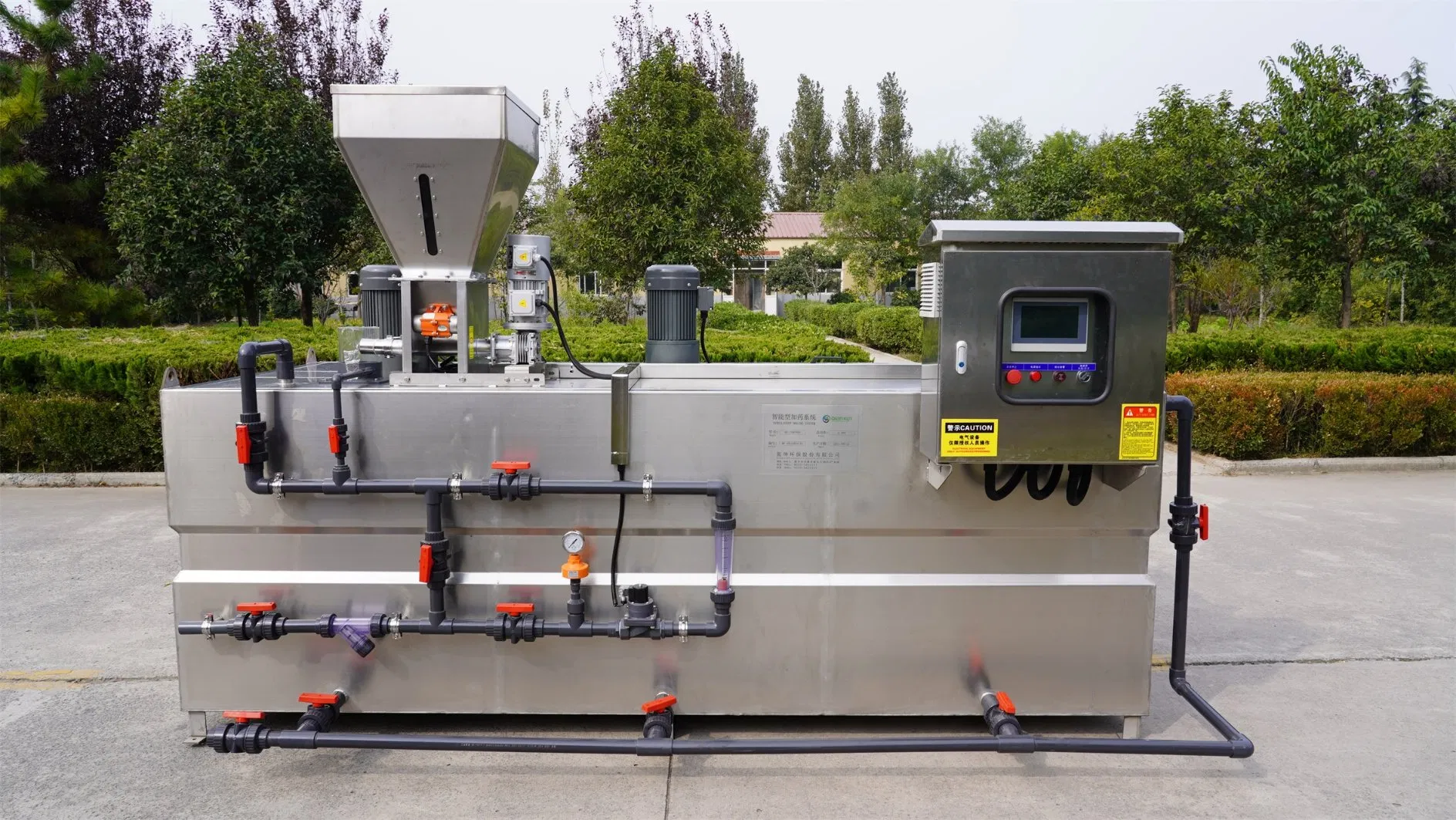
Olaprixa Industrial Olaprixa Industrial

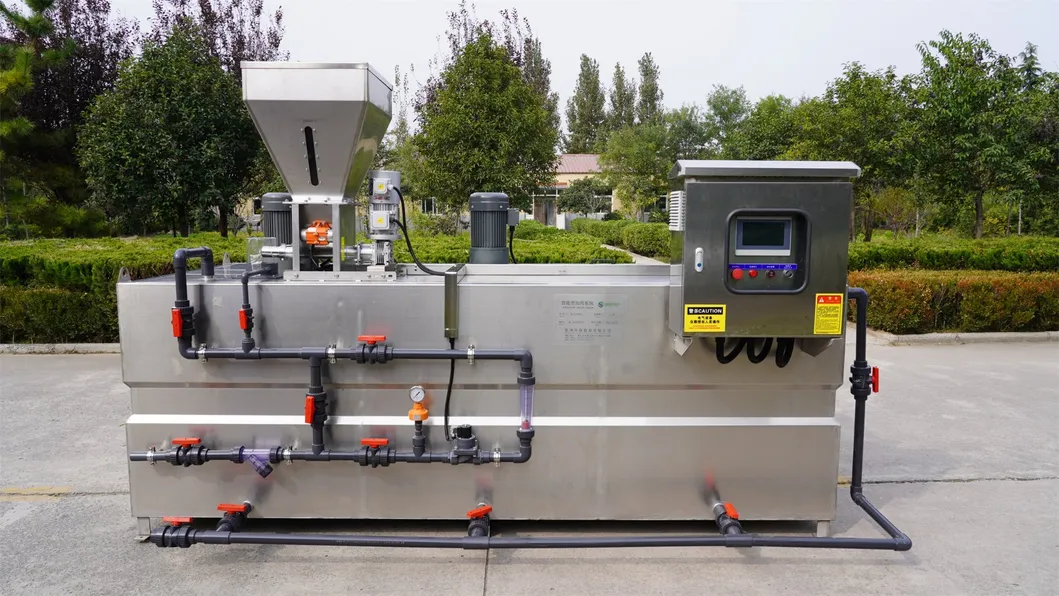
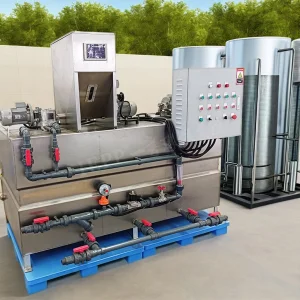
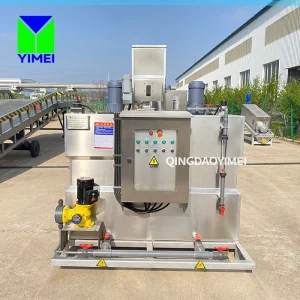
Waste Water Treatment Plant Automatic Chemical Mixing Dosing System

Still deciding? Get samples of $ !
Request Sample

Product Description

📋

Product Overview & Basic Info

Model NO.
QK-JY
Type
Dosing Equipment
Method
Combined Treatment
Usage
Industrial, Home, Agriculture, Hospital
Capacity
1000L/H
Mixer Motor
0.75kw
Feeding Power
0.37kw
Chemical Type
PAC or PAM
Transport Package
Standard Packing
Specification
Stainless Steel 304
Origin
China
HS Code
8421219990
Production Capacity
8000 Pieces Per Year
⚙️

Product Description

The use of chemicals in various industries has become a necessity for efficient and effective processing. Whether it be for water treatment, food processing, or pharmaceutical manufacturing, chemical dosing is an essential aspect of these industries. Proper chemical dosing is necessary to ensure the desired results and prevent negative impacts on the environment and public health. In this context, chemical dosing equipment plays a critical role in the operation of these industries.

💡
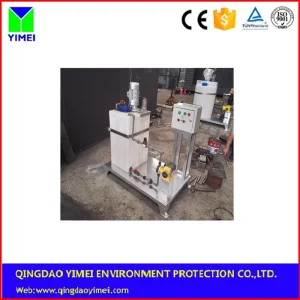
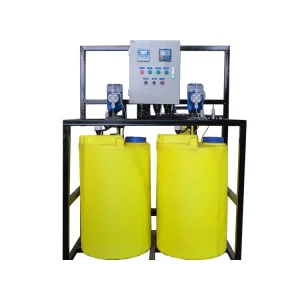
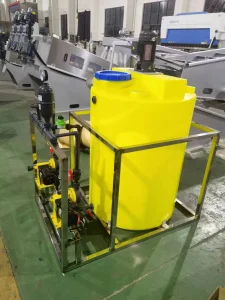
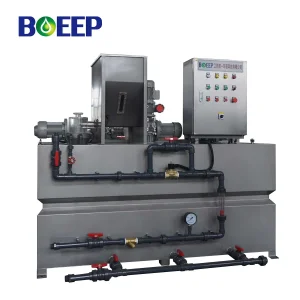
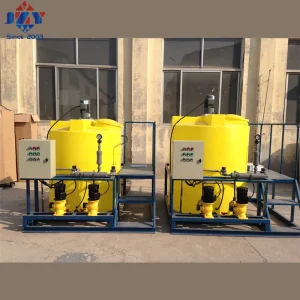
Core Function: This equipment is designed and created to deliver accurate and consistent amounts of chemicals to the processing system. It facilitates the controlled and appropriate dilution and delivery of chemicals, regardless of application or industry.

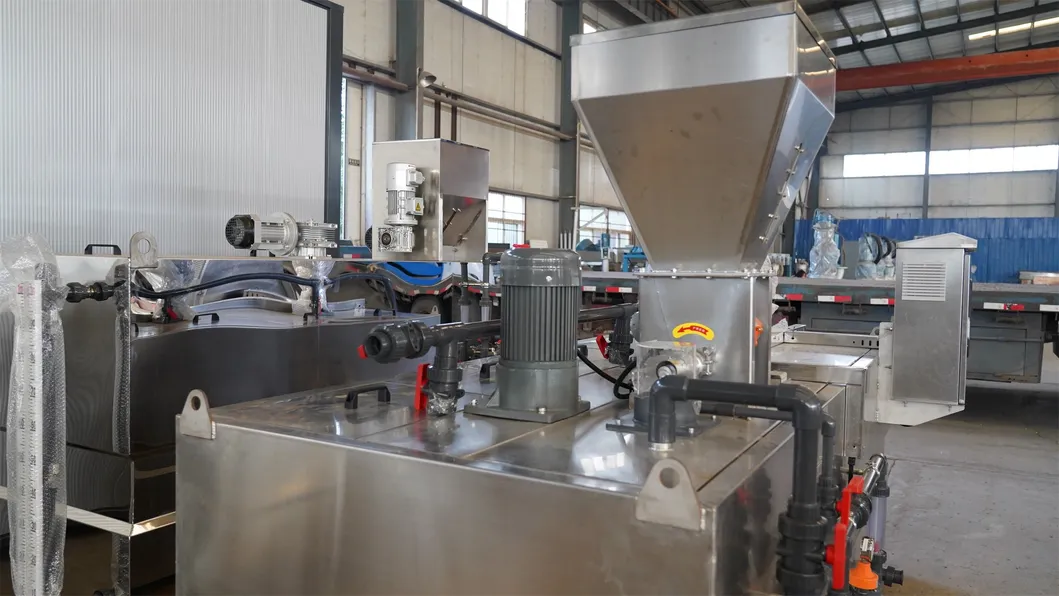
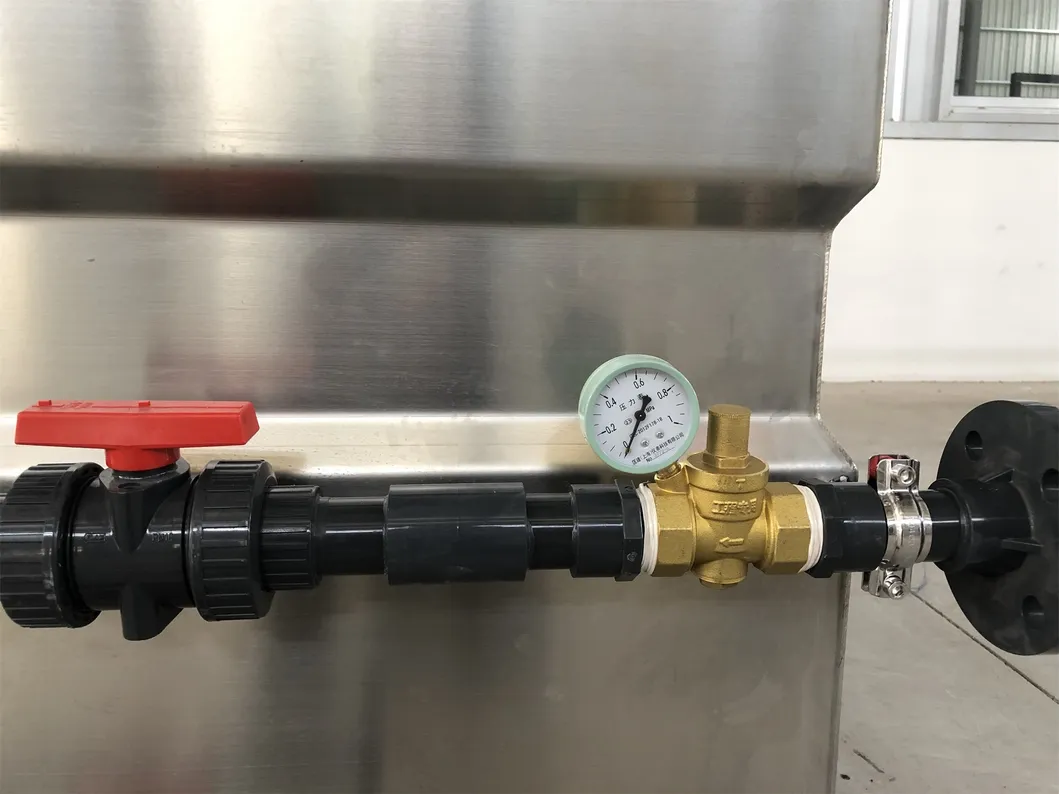
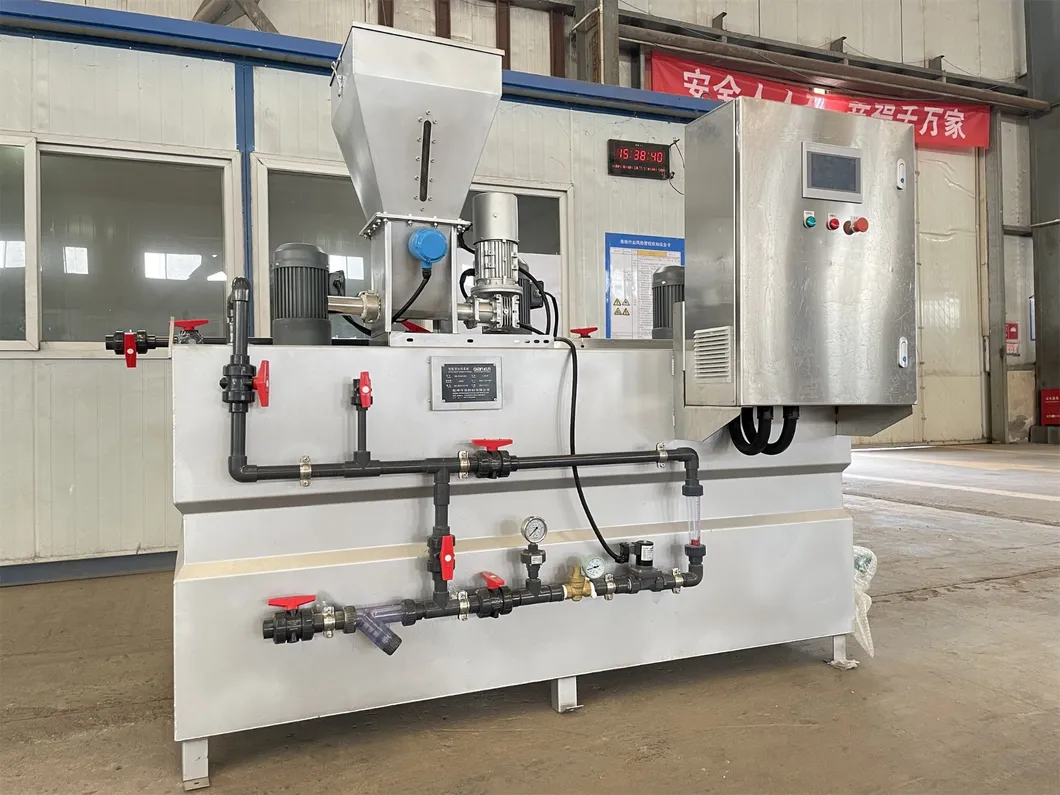
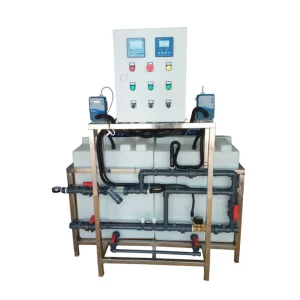
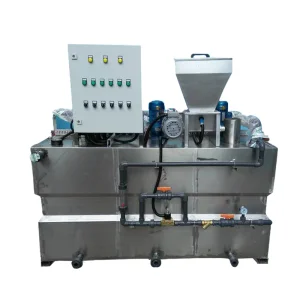
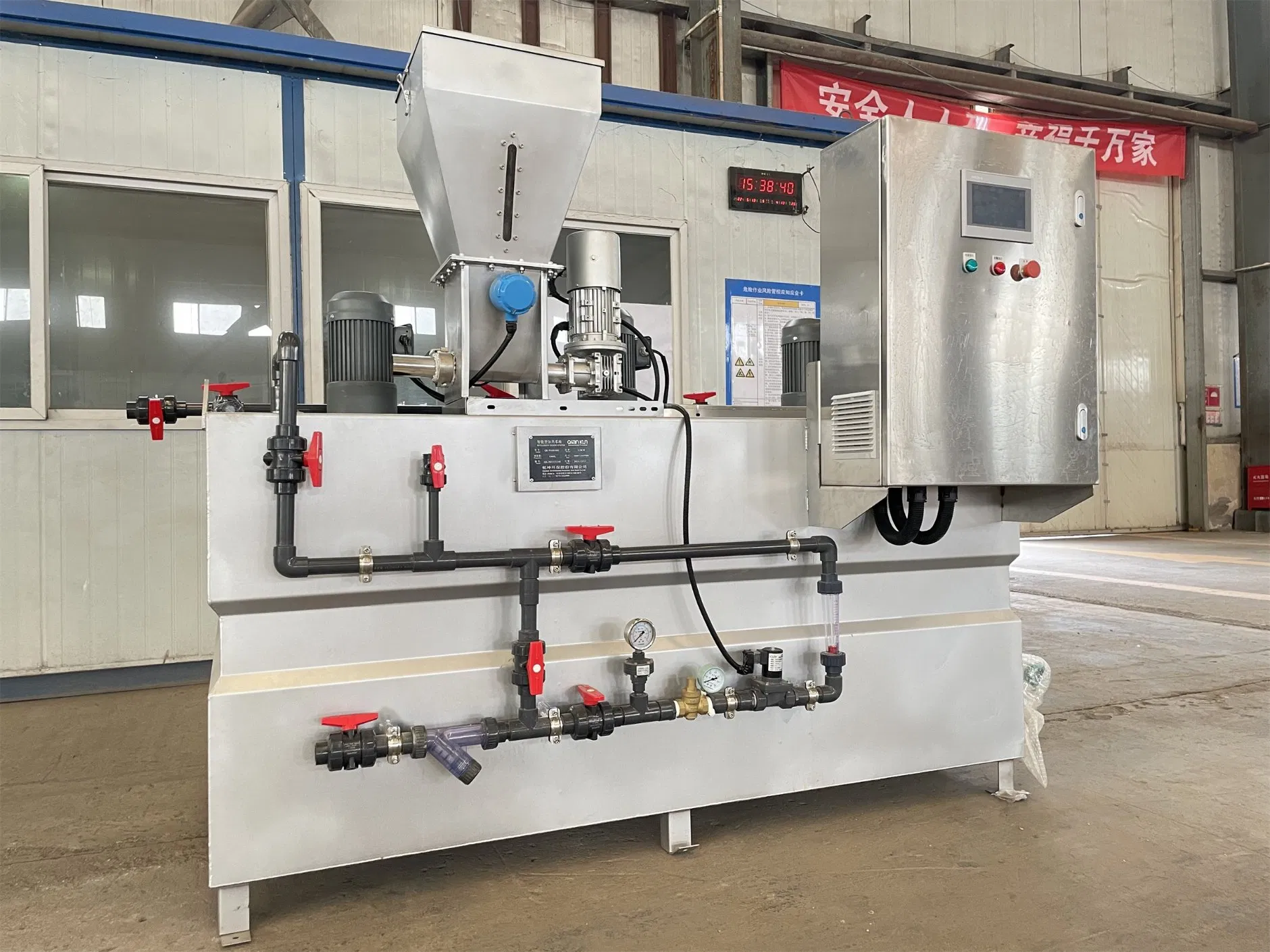
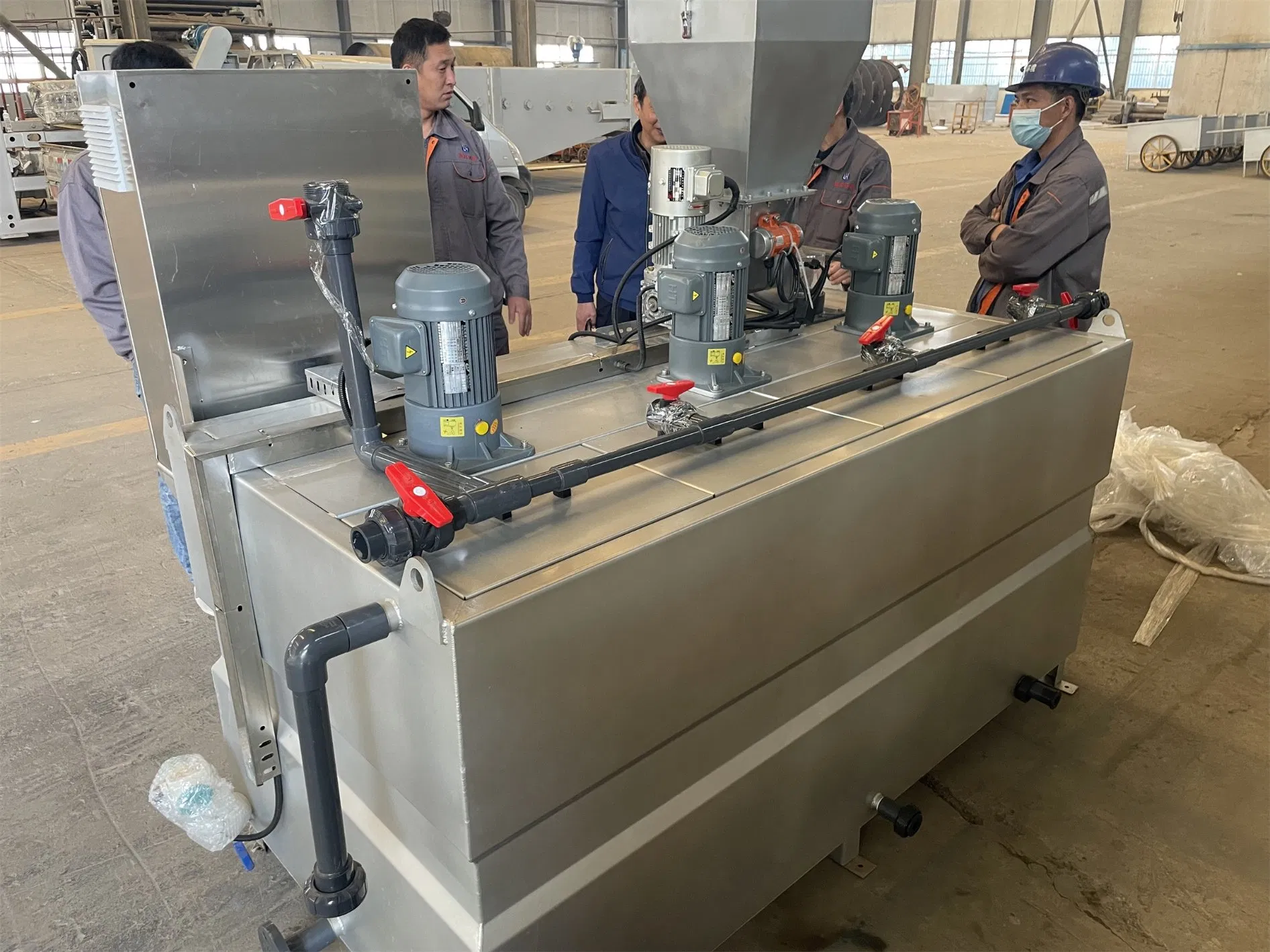
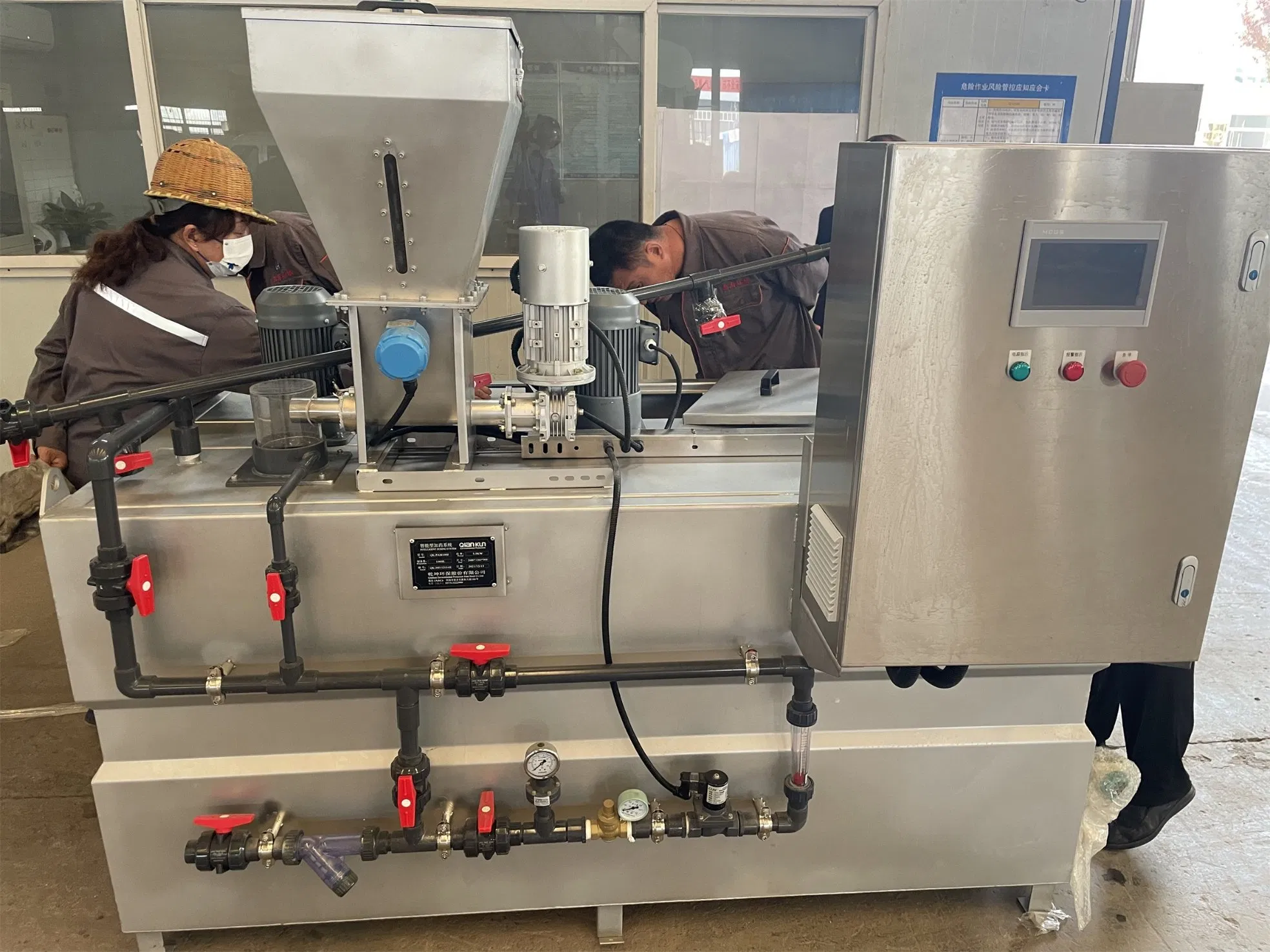
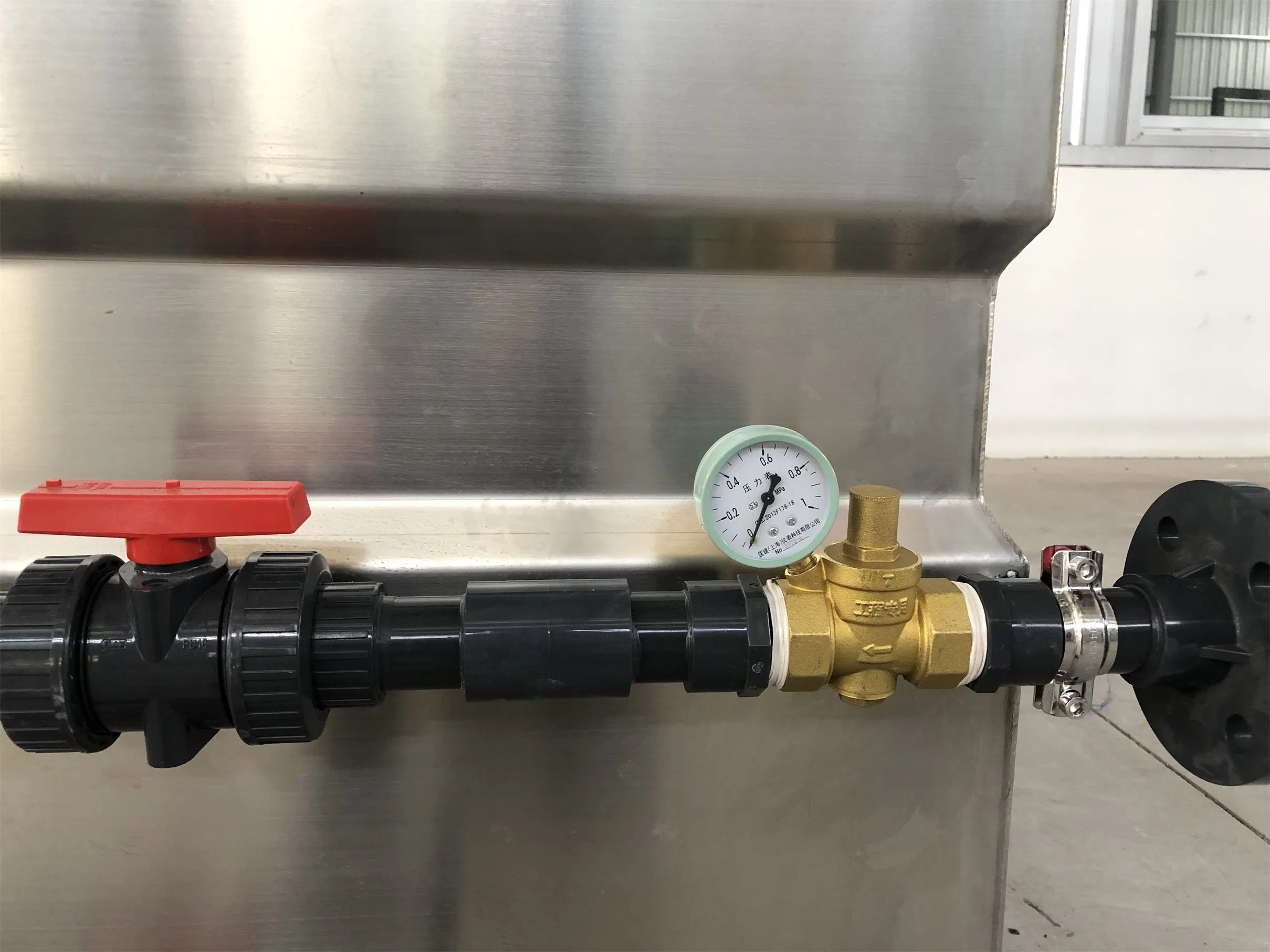
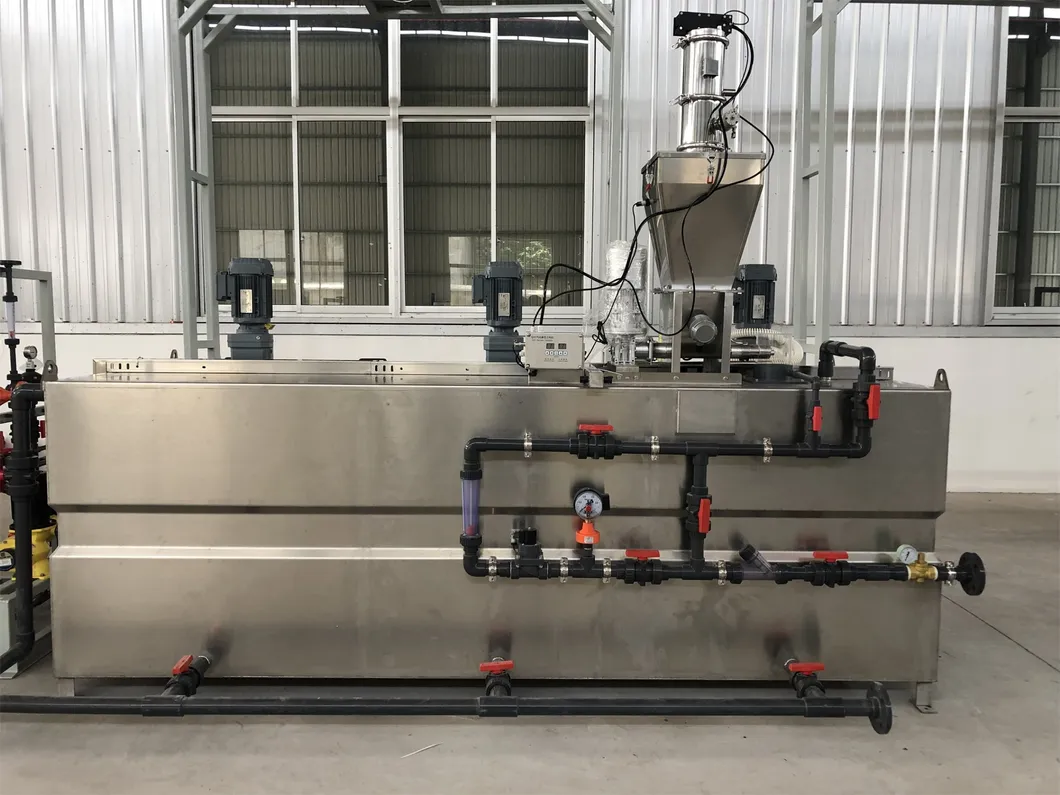
Chemical dosing equipment includes a range of components, including pumps, mixers, valves, and controllers, which work together to deliver precise volumes of a chemical into a production process. Chemical dosing equipment can use either liquids or solids, with liquids being the most common type. The pumps within the equipment distribute the chemical into the production process, where it is carefully measured and mixed to achieve the desired quality and consistency.

There are two main types of dosing systems: Volumetric and Gravimetric. Volumetric systems dispense based on volume and are commonly used for their ease of automation. Gravimetric systems dispense based on weight and are preferred in industries like pharmaceuticals where extreme precision is vital.

The accuracy of dosing equipment is essential for efficient operations, typically requiring precision between +/- 0.5% to +/-3%. Regular calibration and maintenance are necessary to ensure reliability, efficiency, and longevity, protecting both the production quality and the environment.
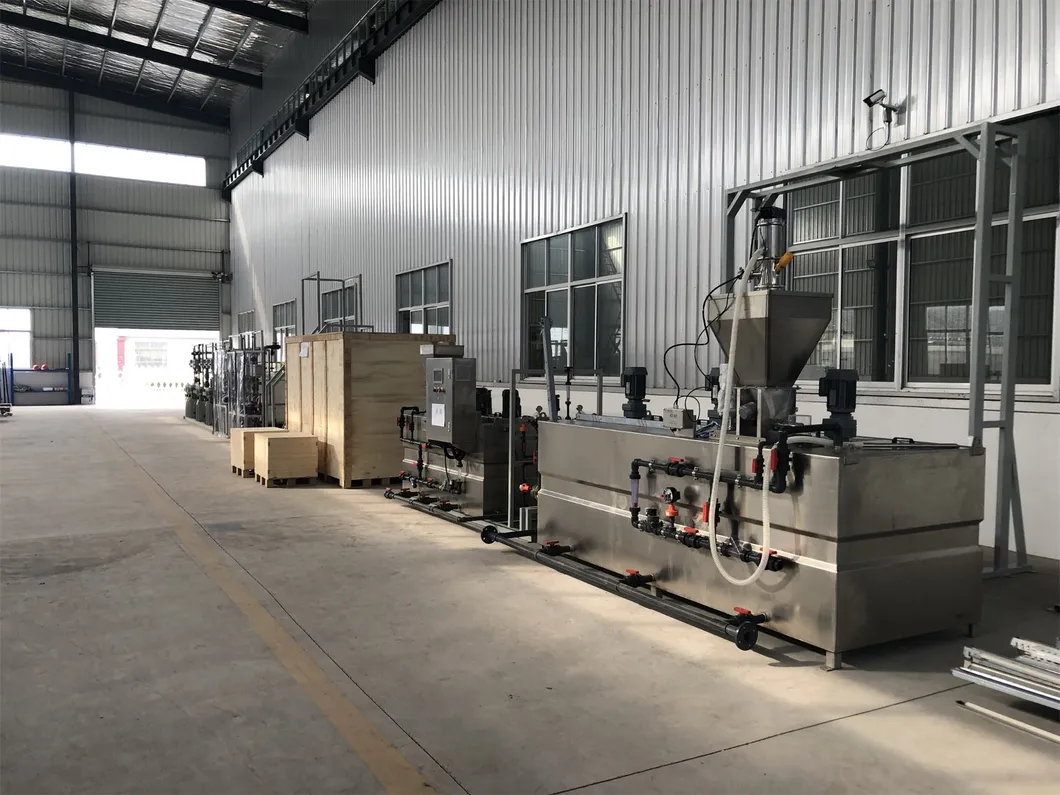
📸

Detailed Photos

📊

Product Parameters

Model Capacity (L/h) Mixer Motor (kw) Feeding Motor (kw) Equipment Size (L*W*H mm)
QK-JY1 1000 0.75 * 2 0.37 2000 * 800 * 1600
QK-JY2 2000 1.1 * 2 0.37 2600 * 1000 * 2000
QK-JY3 3000 1.5 * 2 0.37 3000 * 1200 * 2000

Frequently Asked Questions

1. What is the primary purpose of chemical dosing equipment?
The equipment is designed to deliver precise and consistent amounts of chemicals into a processing system, ensuring proper dilution and reaction for applications like water treatment or industrial manufacturing.
2. What are the differences between volumetric and gravimetric dosing?
Volumetric systems dispense chemicals based on the space they occupy (volume), making them easy to automate. Gravimetric systems dispense based on weight, providing higher precision for sensitive applications like pharmaceutical production.
3. How accurate are these dosing systems?
Standard dosing equipment typically maintains an accuracy range between +/- 0.5% and +/- 3%, depending on the components used and the nature of the chemical.
4. Why is regular calibration necessary?
Calibration ensures that the equipment delivers the exact quantity required. Over time, factors like component wear, temperature changes, or impurities can affect performance, making regular adjustments essential.
5. What maintenance does the system require?
Routine maintenance includes inspecting and cleaning the pumps, valves, and filters to prevent clogging and wear, which helps extend the equipment's lifespan and reliability.
6. Which industries benefit most from this equipment?
It is essential for water treatment plants, food processing, pharmaceutical manufacturing, agriculture, and various industrial production lines requiring controlled chemical additives.

Related Products