 Olaprixa Industrial
Olaprixa Industrial
Olaprixa Industrial
Specially adapted configurations delivering reliable, high-torque sludge dewatering and clarification for Paraguay's industrial processing sectors.
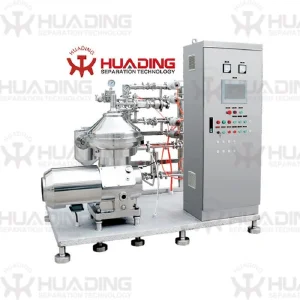
Maximizes extraction yield and clarifies herbal infusions by separating micro-solids efficiently.
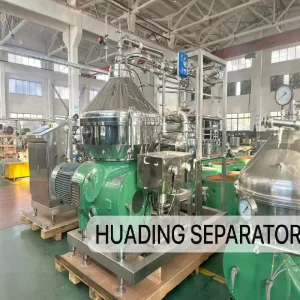
Sanitary-grade disk stacks designed for pharmaceutical extraction, enzyme recovery, and blood processing.
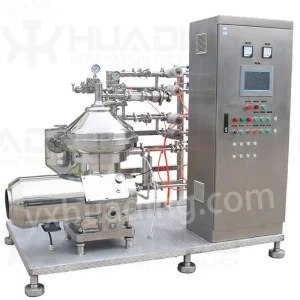
Engineered to handle high-pulp concentrations, recovering premium essential oils and clarifying juices.
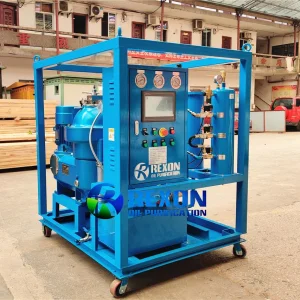
6000LPH processing capacity with emulsion breaking features for turbine and heavy machinery oil reclamation.
An executive briefing on mechanical separation technologies, regulatory pressures (MADES), and structural process optimization.
Paraguay's macro-economy is experiencing a transformative expansion, primarily driven by the modernization of its agricultural processing, meatpacking (frigoríficos), bio-ethanol distilleries, and fluvial maritime transport industries along the critical Paraná-Paraguay waterway. As municipal urban centers like Asunción, Ciudad del Este, and Encarnación expand, they generate complex municipal sludge challenges. Concurrently, agricultural processing operations require sophisticated technologies to handle process effluent, recycle water, and salvage valuable biomolecules from processing by-products.
Under the regulatory jurisdiction of the Ministerio del Ambiente y Desarrollo Sostenible (MADES) and key legislative frameworks such as Law No. 3239/07 (Water Resources Law), industrial discharge requirements are becoming increasingly stringent. Unmanaged organic waste and industrial sludge can no longer be discharged into natural water systems. This regulation mandates that operations implement high-efficiency dewatering systems to reduce Total Suspended Solids (TSS), Chemical Oxygen Demand (COD), and Biological Oxygen Demand (BOD5). The integration of robust Centrifugal Sludge Separation Systems has transitioned from a compliance measure to an operational necessity that directly impacts bottom-line margins through process water recycling and solid waste minimization.
Centrifugal separation exploits density differences between liquid and solid phases by subjecting the feed slurry to high centrifugal acceleration. Unlike static settling tanks or low-force press systems, a dynamic centrifuge applies forces thousands of times stronger than gravity. This accelerates sedimentation speed according to a modified formulation of Stokes’ Law:
v_g = \frac{d^2 (\rho_p - \rho_f) \cdot \omega^2 r}{18 \mu}
Where v_g is the settling velocity, d is the particle diameter, ρ_p and ρ_f represent the densities of the particulate and fluid phases, ω is the angular velocity of the centrifuge bowl, r is the radial distance, and μ is the dynamic viscosity of the carrier liquid. By elevating ω²r (expressed as the G-force factor), even sub-micron organic particles settle rapidly, enabling continuous separation of highly concentrated sludge streams without clogging filters.
For industrial sludge processing, two main configurations are utilized:
1. Decanter Centrifuges: Horizontal scroll discharge systems engineered to separate heavy solid loads (typically 2% to 40% feed solids) from wastewater slurries. The scroll rotates at a slightly different differential speed than the main bowl, continuously pushing the sedimented cake toward the conical end.
2. Disc Stack Centrifuges: Vertical high-speed systems designed for liquid-liquid-solid separation of low-concentration feeds (under 2% solids). By layering closely-spaced conical discs, the settling distance is minimized, facilitating the separation of fine micro-particles and oils.
Integrating Advanced Chinese Process Engineering with Global Standards
Shanghai Olaprixa Industrial Co., Ltd. is a specialized manufacturer and engineering provider focused on advanced industrial wastewater treatment solutions, integrating sludge processing systems and intelligent chemical dosing technologies. Headquartered in Shanghai, China, the company delivers efficient, reliable, and customized water treatment systems for a wide range of industries including manufacturing, chemical processing, food production, and municipal infrastructure.
Olaprixa offers a comprehensive portfolio covering wastewater treatment equipment, sludge dewatering and thickening systems, and precision chemical dosing units designed to optimize treatment performance and operational efficiency. By combining modern process engineering with automation control, the company ensures stable system operation, reduced environmental impact, and compliance with global discharge standards.
With a strong emphasis on customization, Olaprixa provides tailored water engineering solutions based on specific project requirements, from initial consultation and system design to installation guidance and after-sales technical support. Its team of experienced engineers continuously works to enhance system efficiency, reduce energy consumption, and improve resource recovery.
Committed to sustainability and innovation, Shanghai Olaprixa Industrial Co., Ltd. aims to help global clients achieve cleaner production, water reuse, and long-term environmental responsibility through smart and cost-effective treatment technologies.
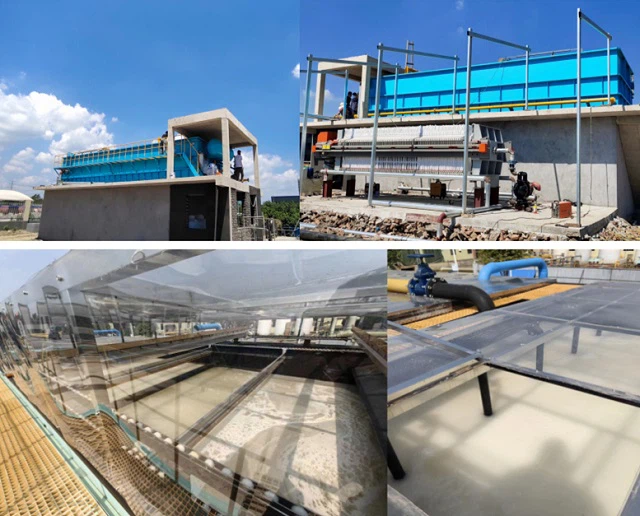
To withstand abrasive, chemical, and corrosive environments, Olaprixa centrifuges are constructed from high-grade metals. Wet-end components are fabricated from duplex stainless steel (SAF 2205 or SS316L) to resist chloride-induced stress corrosion. Critical friction areas, such as the flight edges of decanter scrolls, are reinforced with sintered tungsten carbide tiles or hard-facing alloys to prolong service life.
Each system undergoes rigorous dynamic balancing tests under full-load speeds to minimize vibration amplitudes to less than 2.5 mm/s. Integrated sensor arrays monitor bearing temperature, vibration velocity, and scroll torque in real time, communicating via Modbus or Profinet protocols to an centralized Allen-Bradley or Siemens PLC. This ensures reliable operation and minimal operator intervention under demanding industrial conditions.
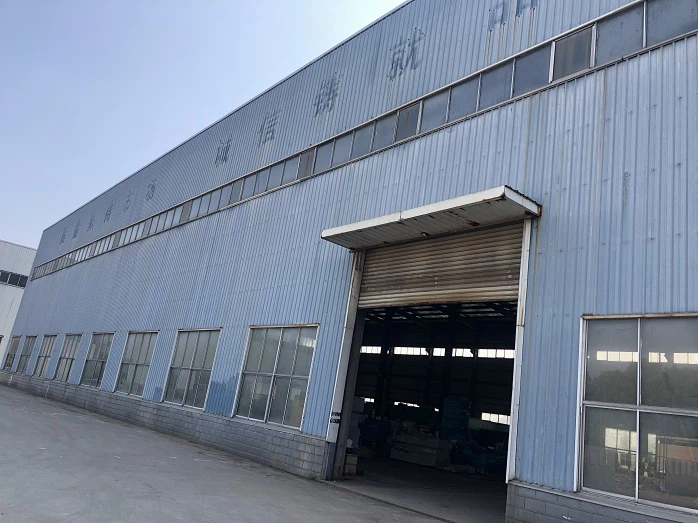
Targeted separation engineering designed for Paraguay's key economic sectors.
Paraguay is a leading global exporter of beef. Industrial processing plants (Frigoríficos) generate high-volume wastewater containing fats, grease, proteins, and hair. Our centrifuges dewater dissolved air flotation (DAF) sludge and biological waste, transforming wet slurry into transportable dry cake (25-35% dry solids) that can be composted or processed for energy recovery.
Soy and oilseed processing plants generate processing byproducts. Centrifugal decanters are used to separate gums, soapstocks, and impurities during crude vegetable oil refining. Additionally, biorefineries utilize disc stack centrifuges to clarify wash water and recover yeast or biodiesel fractions, improving overall resource yield.
The Paraguay River supports a large barge fleet. Environmental regulations mandate bilge water treatment before discharge. Olaprixa's marine-grade disc stack centrifuges separate water and solids from heavy fuel oil (HFO) and lubricants, protecting engines and ensuring compliance with international river discharge standards.
As a major crop in Paraguay, cassava starch extraction generates wash water with high organic loads. Centrifugal starch separators classify starches by size and dewater starch pulp, while reducing fresh water usage through closed-loop recycling systems.
Streamlined procurement, logistical coordination, and dedicated engineering integration from China to Paraguay.
Purchasing heavy capital equipment like industrial centrifuges requires balance between CAPEX, quality assurance, and long-term operating costs (OPEX). Sourcing centrifugal systems from Shanghai Olaprixa provides key advantages:
High-quality construction using premium alloys (SAF 2205) at competitive pricing compared to Western European alternatives, improving return on investment.
Our engineers customize feed pipes, bowl angles, scroll pitches, and PLC automation setups to match your plant's specific slurry characteristics.
Experienced logistics handling transshipments from Shanghai port to Buenos Aires or Montevideo, connecting to inland river feeder vessels for delivery to Villeta/Asunción ports.
Additionally, Olaprixa maintains a supply of wear parts—including scroll wear tiles, discharge bushings, bearings, and seals—to ensure prompt air freight dispatch to South America, minimizing unplanned downtime at your processing facility.
Expert answers on centrifugal operation, maintenance, and chemical dosing optimization.
A comprehensive selection of specialized separation systems configured for regional municipal, industrial, and agricultural needs in Paraguay.
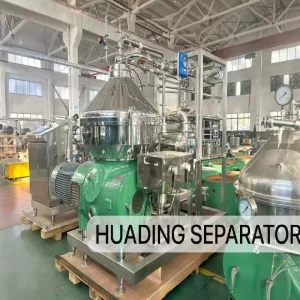
Designed for high-viscosity sugar syrups, removing fine fiber residues to optimize fermentation yield.
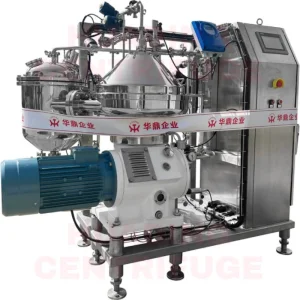
High G-Force amino acid crystal separation for feed additive production lines.
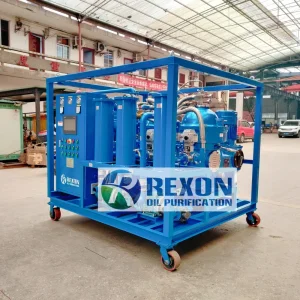
9000LPH throughput system designed to remove metal fines and carbon soot from industrial coolants.
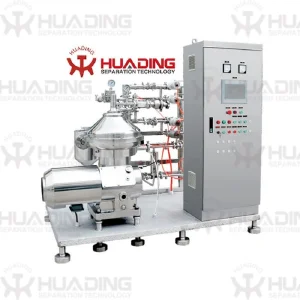
Sanitary pharmaceutical construction optimized for complex chemical extract clarification.
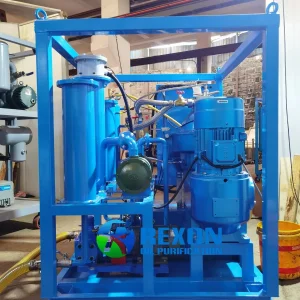
Fitted with automatic sludge discharge for continuous treatment of diesel fuel and lubricating oil.
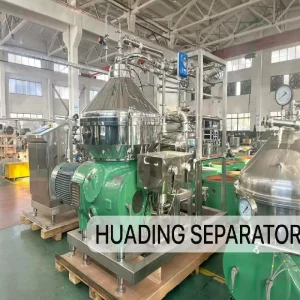
Explosion-proof design optimized for classifying pigments and removing overspray residues.
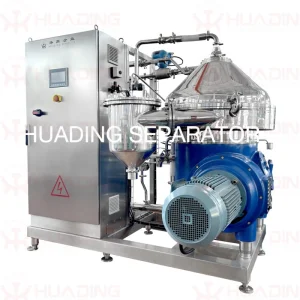
Designed for high-speed yeast, algae, and single-cell protein concentration.
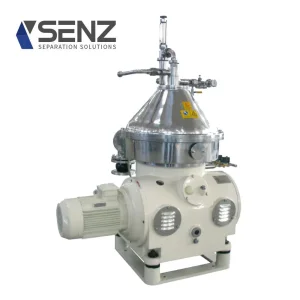
High-sanitation, CIP-cleanable system with PLC controls for medium and large dairy processing facilities.
Provide our engineers with your feed slurry concentrations, density metrics, process temperatures, and targeted dewatering requirements. We will engineer a custom package designed to optimize performance and reduce operating costs.
Send Inquiry Now