Olaprixa Industrial
Olaprixa Industrial
Olaprixa Industrial
High-performance reverse osmosis, ultrafiltration, and modular solar-powered water purifiers customized for municipal and industrial deployment.
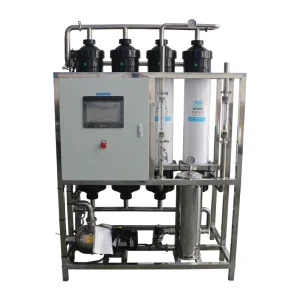
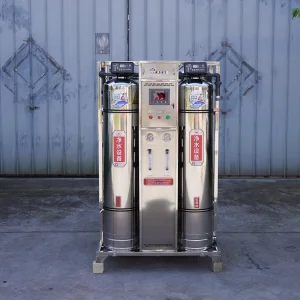
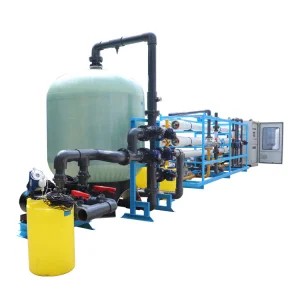
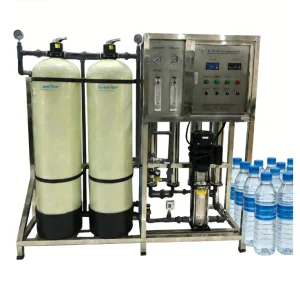
As the primary industrial powerhouse of Latin America, the state of São Paulo—encompassing key economic zones like the Metropolitan Region, ABC Paulista, Campinas, and Cubatão—faces a dual challenge: intensive manufacturing demands and highly vulnerable freshwater reserves. Decades of urban-industrial expansion coupled with seasonal droughts in the Cantareira System have compelled state utilities and municipal water boards to enforce strict water-resource management measures. Organizations operating within these limits must navigate stringent regulations set by SABESP (Companhia de Saneamento Básico do Estado de São Paulo) and the environmental protection agency CETESB (Companhia Ambiental do Estado de São Paulo).
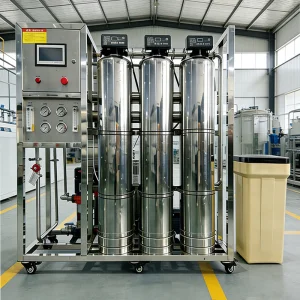
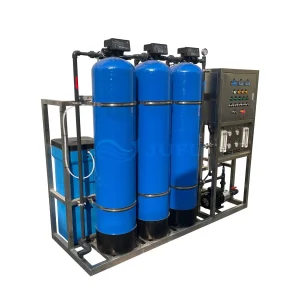
In this context, the role of a Sludge Thickening System becomes vital. By reducing sludge volume by up to 80% to 90% before dewatering, plants can lower disposal volumes, cut transport costs, and optimize downstream processes. When coupled with advanced water treatment technologies such as Reverse Osmosis (RO) and Ultrafiltration (UF), manufacturers can transition toward closed-loop water systems. Implementing high-efficiency membrane systems allows treated wastewater filtrate to be reclaimed for process cooling, boiler makeup, or washing, shielding companies from the rising tariffs of raw municipal water supply.
An effective wastewater treatment strategy balances mechanical separation and membrane filtration. Sludge generated from primary clarification, chemical precipitation, or biological processes (such as activated sludge) is highly dilute, typically containing only 0.5% to 1.5% dry solids (DS). Introducing this directly to dewatering units is inefficient and consumes excess energy and chemical polymers. By implementing a Rotary Drum Thickener or a Gravity Belt Thickener, the solids concentration is increased to 5% to 8% DS before final dewatering.
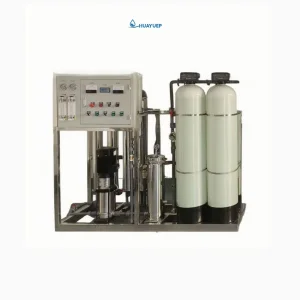
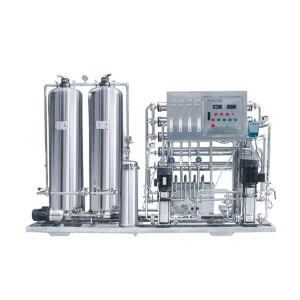
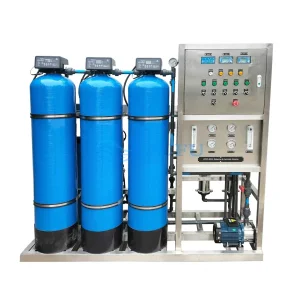
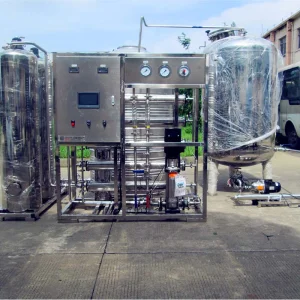
The liquid separated during thickening (filtrate or supernatant) contains dissolved minerals, residual chemical additives, and trace organic matter. Direct discharge of this water can violate local guidelines, while reusing it without treatment risks scaling and biological fouling in upstream equipment. Here, modern Reverse Osmosis (RO) and Ultrafiltration (UF) systems play a critical role. The integration steps typically follow a defined flow:
| Treatment Stage | Core Equipment / Technology | Operational Function | Target Output / Parameter |
|---|---|---|---|
| Primary Concentration | Sludge Thickening System (Screw Press / Rotary Drum) | Separates free water from flocculated sludge solids | Sludge volume reduced by 75-90%; filtrate output produced |
| Pre-filtration & Polishing | Multi-media Filters + Ultrafiltration (UF) | Removes colloidal matter, macro-molecules, and micro-particles | Silt Density Index (SDI) < 3; protects downstream RO membranes |
| Dissolved Solids Removal | Double-Pass Reverse Osmosis (RO) System | Extracts dissolved salts, heavy metals, and micro-pollutants | Permeate water with conductivity < 50 µS/cm; high recovery |
| Advanced Purity (Optional) | Electrodeionization (EDI) Systems | Continuous electrochemical deionization | Ultrapure water suitable for electronics or pharmaceutical use |
This combined approach ensures that the liquid stream is cleaned to a level where it can be reintroduced to industrial processes, while the concentrated sludge is prepared for efficient pressing and disposal. This process minimizes water losses, reduces chemical consumption, and secures stable operations despite varying inlet water qualities.
The industrial landscape of São Paulo requires water systems tailored to specific sector challenges. Below are the key scenarios where integrated sludge thickening and RO systems provide significant advantages:
Automotive assembly plants and metal stamping facilities generate large volumes of wastewater containing heavy metals, oils, and paint residues. In these facilities, sludge thickening systems consolidate chemical precipitates (primarily metal hydroxides) to reduce hazardous waste handling. Concurrently, high-pressure industrial RO systems process the clarified water, removing dissolved ions to supply pure water for electrodeposition (E-coat) baths and paint lines, where water quality directly impacts finish quality.
The refinery and petrochemical complexes in São Paulo produce complex, high-salinity wastewater. Here, double-pass RO units are used to treat and recycle cooling tower blowdown. Because these waste streams are prone to organic scaling, sludge thickening decanters and polymer dosing systems are used to treat primary bio-sludge, preventing fouling in the downstream RO membrane array and maintaining stable plant operation.
In the food and beverage industry, processing and cleaning operations (CIP) generate organic-rich wastewater. Anaerobic and aerobic digesters produce biological sludge that must be dewatered. Sludge thickeners prepare this organic sludge for anaerobic digestion or agricultural composting. The liquid phase is treated with membrane bioreactors (MBR) followed by RO systems to reclaim high-purity water for non-product contact applications, lowering the facility's water footprint.
The pharmaceutical sector requires water that meets strict USP and Brazilian Pharmacopoeia standards. In these operations, RO systems are combined with Electrodeionization (EDI) to produce USP-grade purified water. The resulting wash-water reject streams are processed by automated sludge thickeners to handle biological solids, ensuring the facility meets municipal environmental standards.
Shanghai Olaprixa Industrial Co., Ltd. is a specialized manufacturer and engineering provider focused on advanced industrial wastewater treatment solutions, integrating sludge processing systems and intelligent chemical dosing technologies. Headquartered in Shanghai, China, the company delivers efficient, reliable, and customized water treatment systems for a wide range of industries including manufacturing, chemical processing, food production, and municipal infrastructure.
Olaprixa offers a comprehensive portfolio covering wastewater treatment equipment, sludge dewatering and thickening systems, and precision chemical dosing units designed to optimize treatment performance and operational efficiency. By combining modern process engineering with automation control, the company ensures stable system operation, reduced environmental impact, and compliance with global discharge standards.
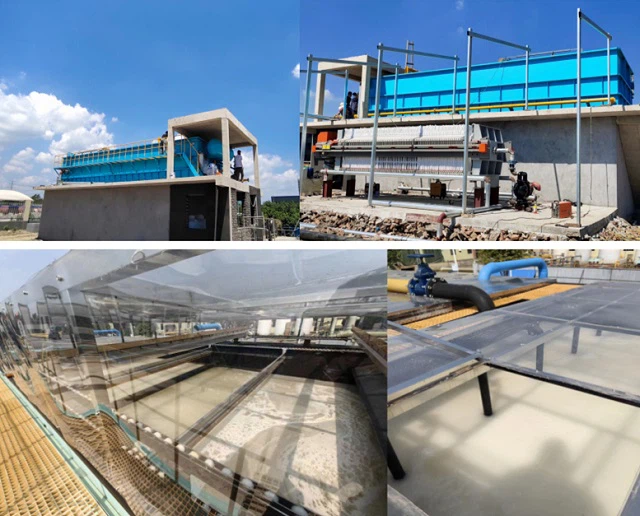
With a strong emphasis on customization, Olaprixa provides tailored water engineering solutions based on specific project requirements, from initial consultation and system design to installation guidance and after-sales technical support. Its team of experienced engineers continuously works to enhance system efficiency, reduce energy consumption, and improve resource recovery.
Committed to sustainability and innovation, Shanghai Olaprixa Industrial Co., Ltd. aims to help global clients achieve cleaner production, water reuse, and long-term environmental responsibility through smart and cost-effective treatment technologies.
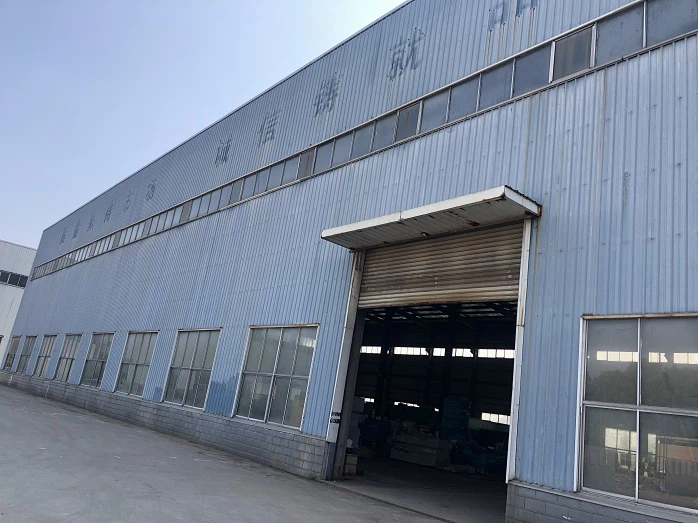
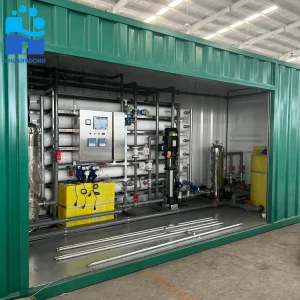
Operating a global supply chain requires robust logistics. Shanghai Olaprixa leverages its proximity to the Port of Shanghai to coordinate containerized shipments to the Port of Santos, São Paulo’s main maritime gateway. We handle customs documentation, seaworthy packaging, and transit insurance to ensure equipment arrives safely. In addition, our modular design and pre-wired configurations simplify on-site installation and commissioning for local engineering teams.
As water quality standards and discharge regulations tighten, industrial treatment systems must adapt. The next generation of sludge and water processing technologies focuses on automation, energy recovery, and resource extraction:
To operate safely and legally in Brazil, industrial water and sludge treatment systems must comply with local engineering standards and safety codes. We ensure our equipment is built and configured to meet these requirements:
Engineered for large-scale municipal, chemical, food processing, and coastal water purification needs in Brazil.
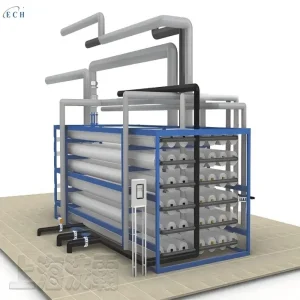
Technical answers about sludge thickening, RO systems, and environmental compliance in Brazil.