Olaprixa Industrial Olaprixa Industrial

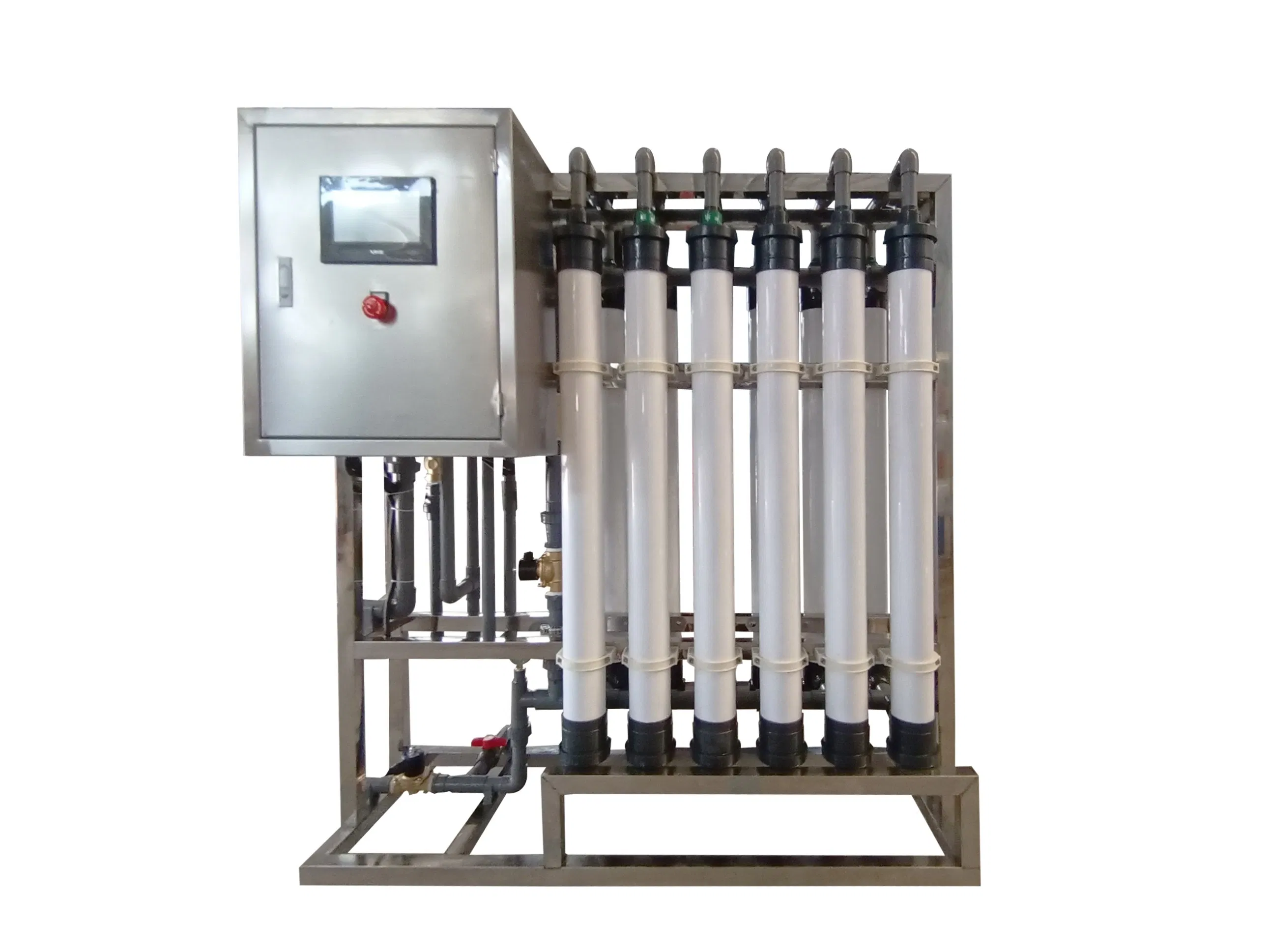
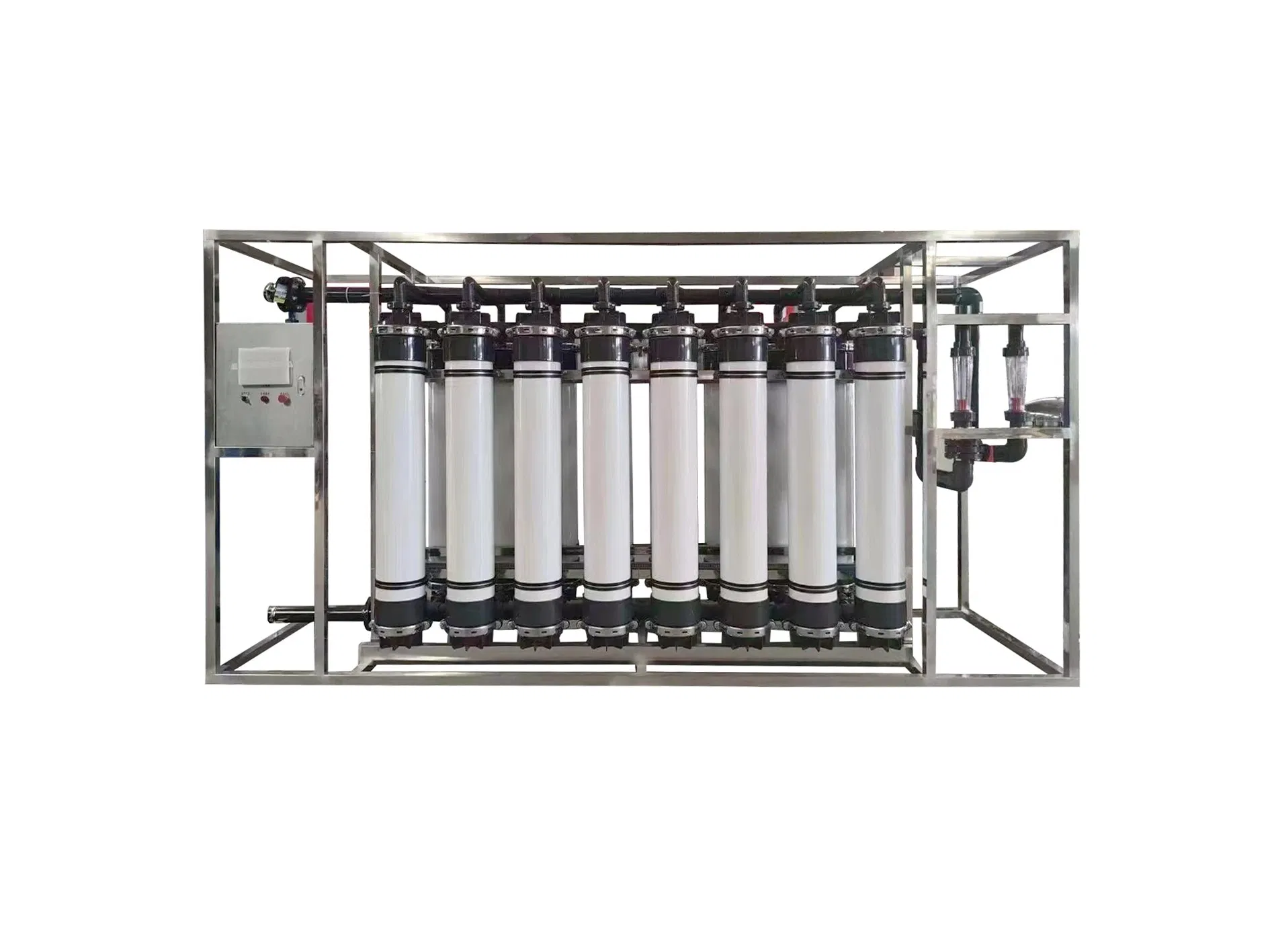
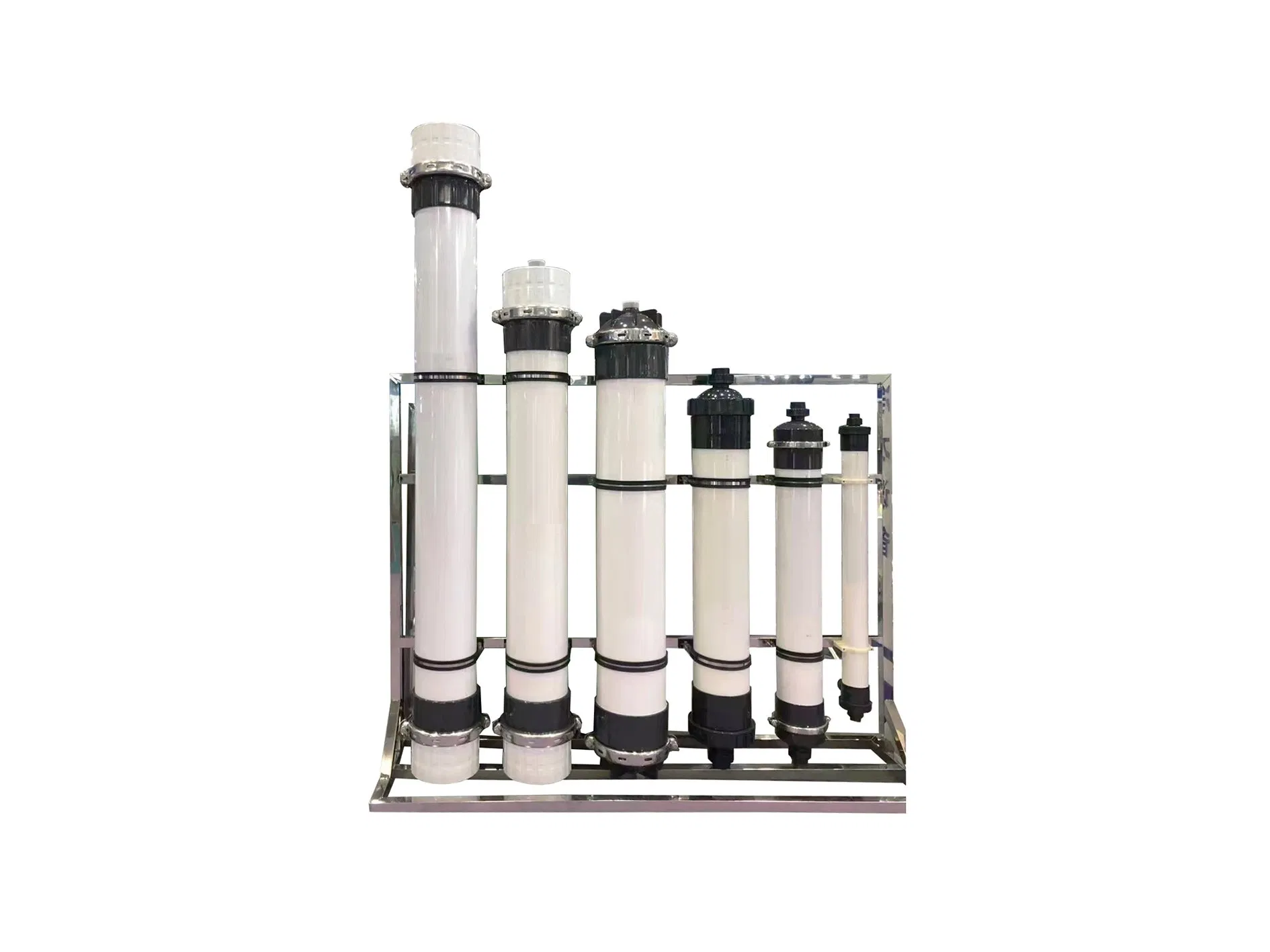
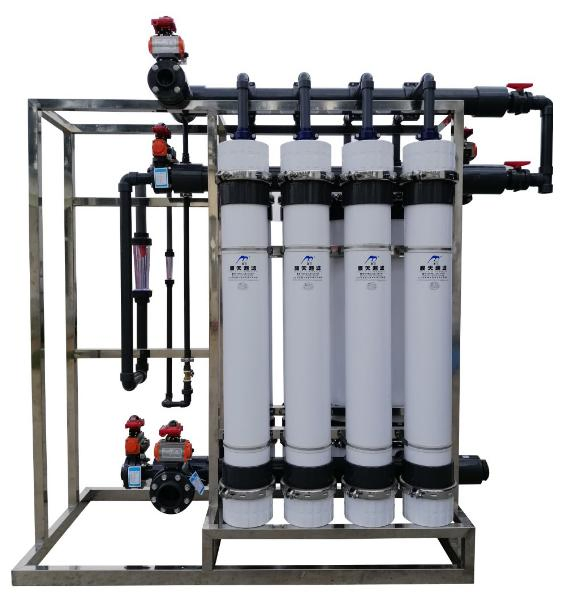
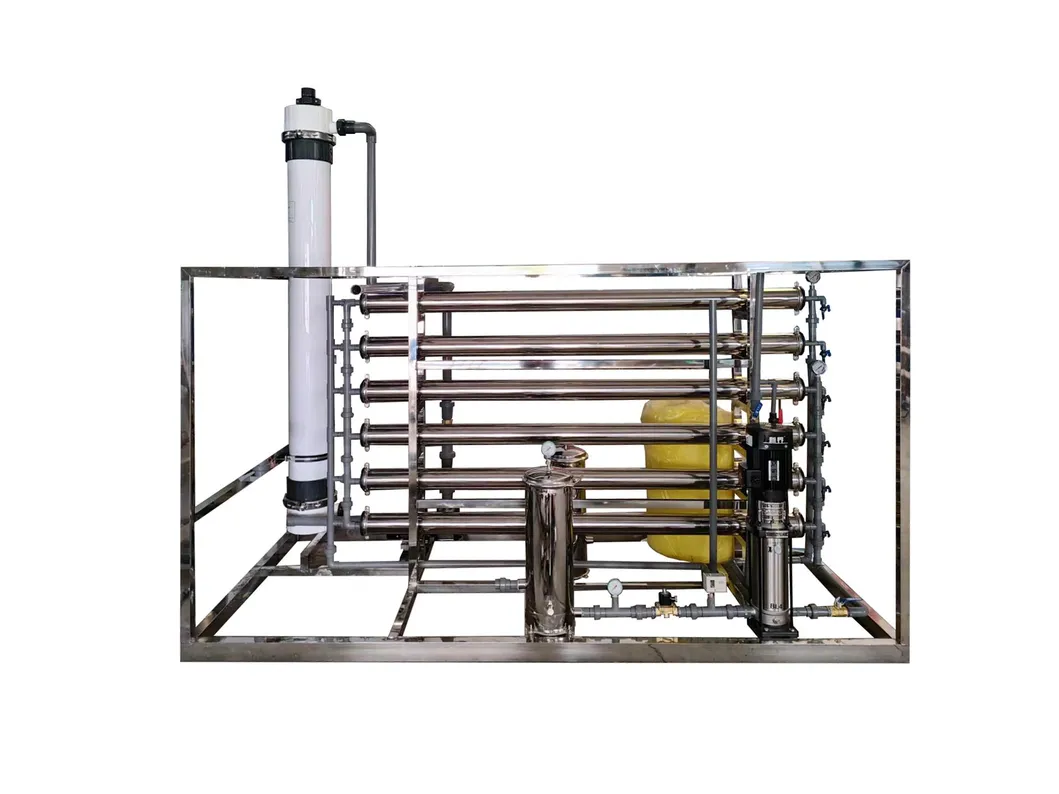
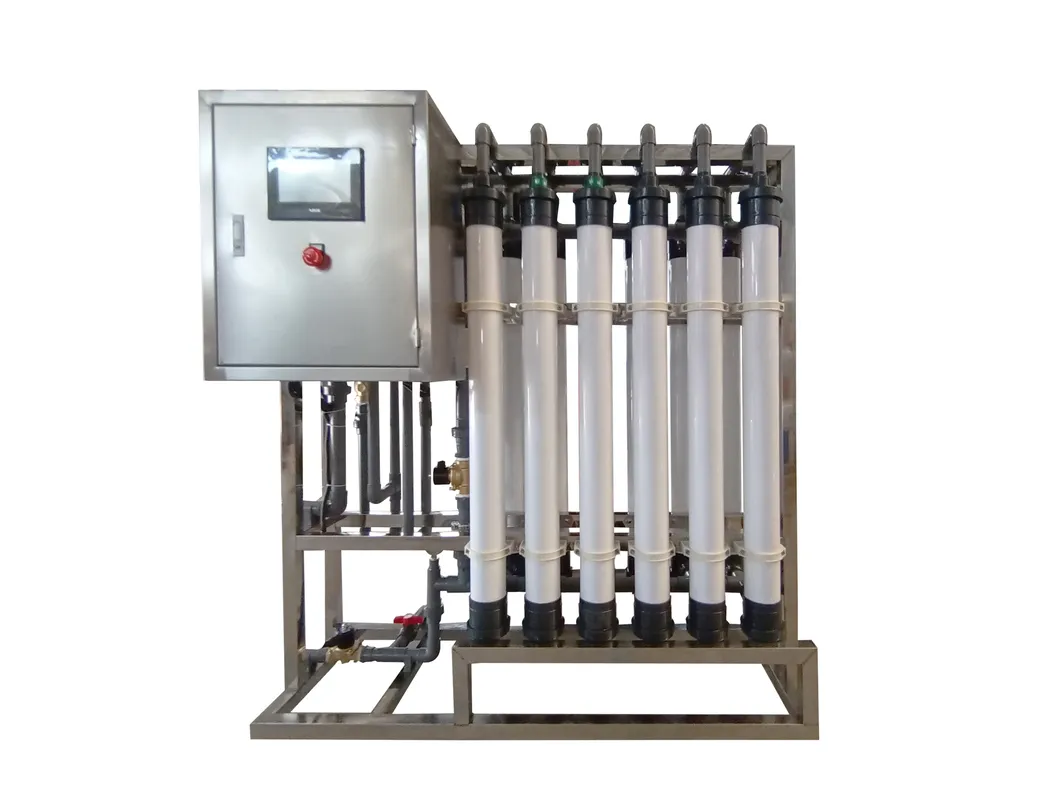
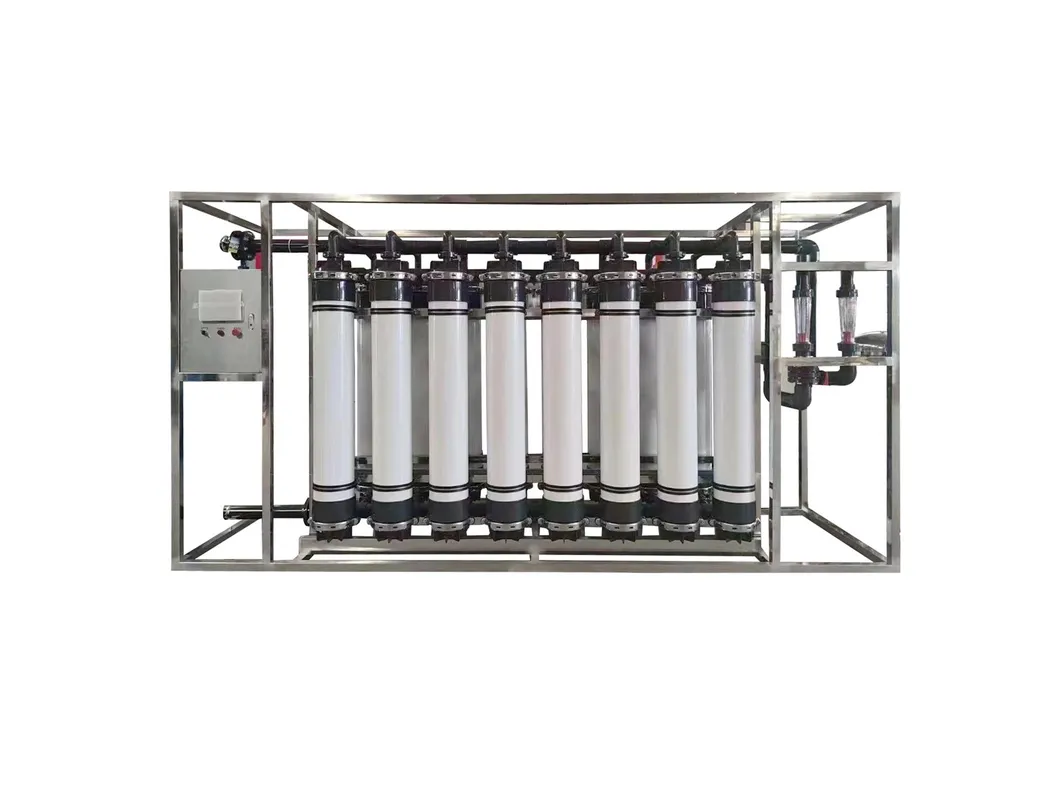
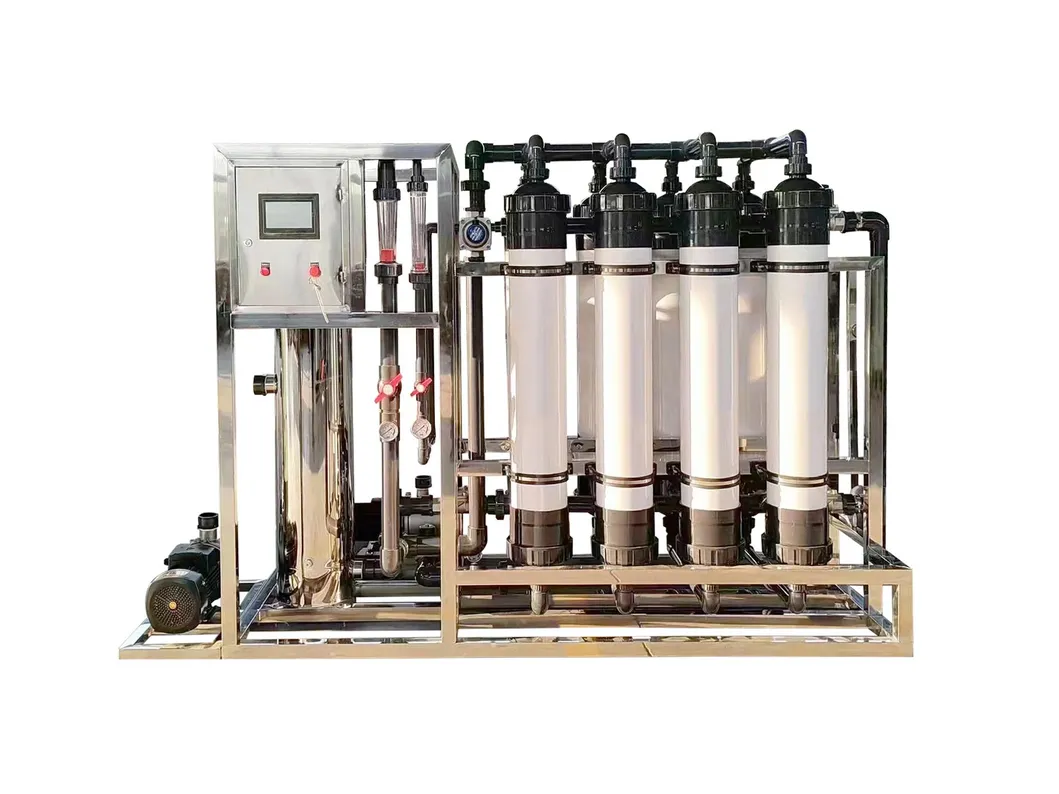
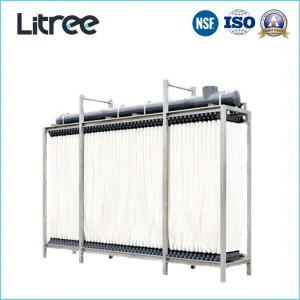
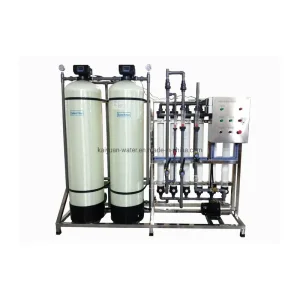
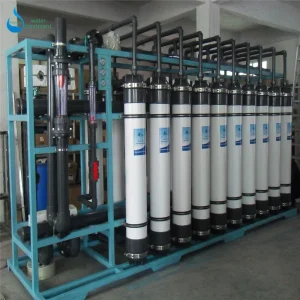
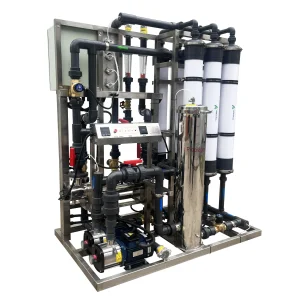
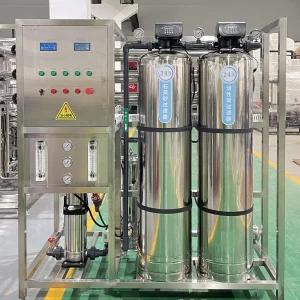
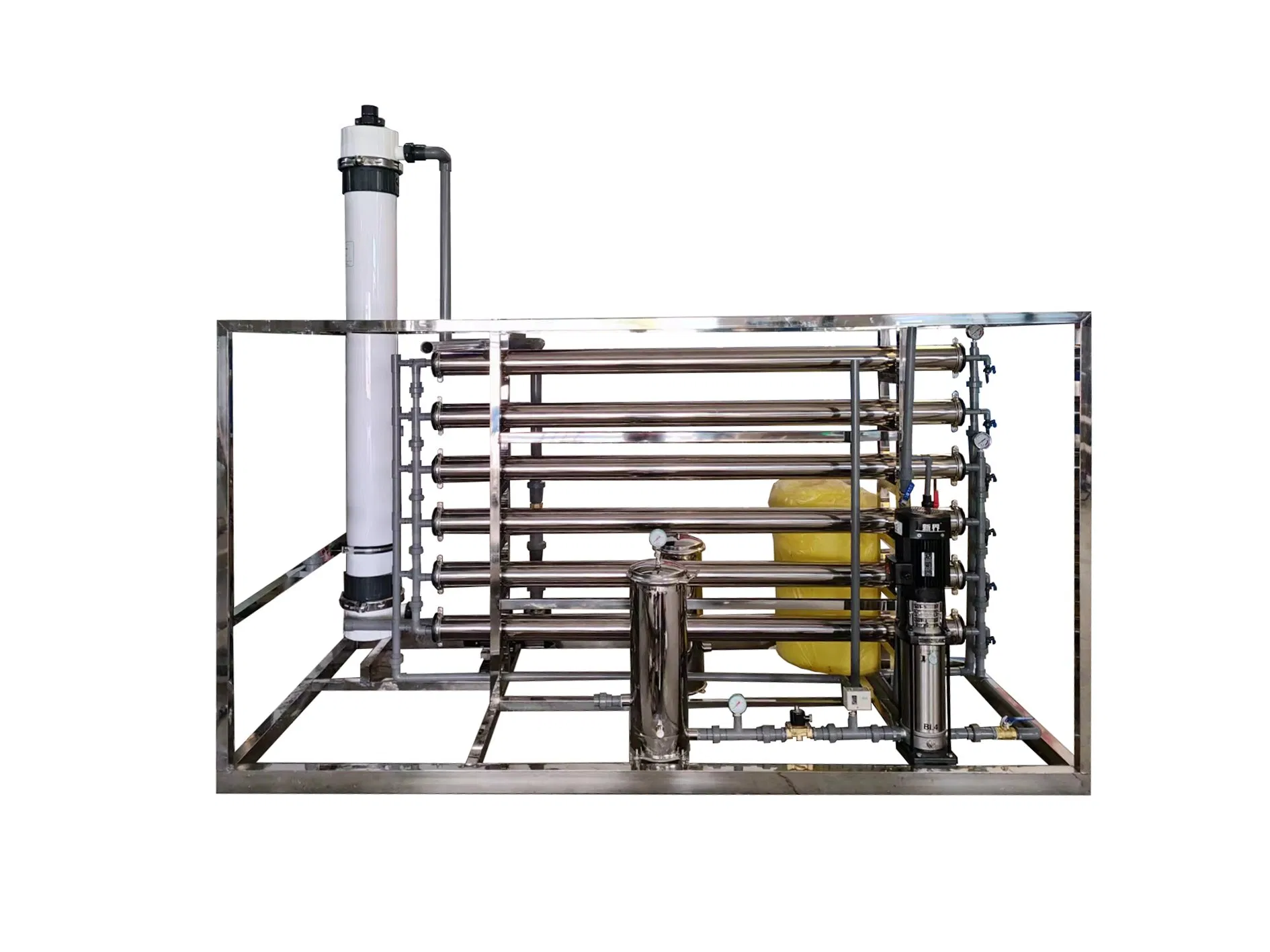
3000L/H Water Treatment Ultrafiltration Membrane Filter Water Filtration Ultrafiltration System

Customization: Available
Certification: ISO9001, CE
Salt Rejection Rate: 99.0%

Product Description

i

Basic Specifications

Model NO.
Ultrafiltration equipment
Application
Industry
Capacity
T/H
HS Code
8421219990

Product Description

Filtration Process Steps

Level 1: PP Fiber Filter Preventive treatment using 5 micron PP fiber to remove large particles.
Level 2: Granular Activated Carbon Secondary treatment stage for absorbing odors and chemicals.
Level 3: High-density Sintered Activated Carbon Further filtering treatment to ensure deep purification.
Level 4: RO Membrane Technology Uses pressure to force water through a reverse osmosis membrane. Effectively removes inorganic salts, colloids, viruses, endotoxins, and most organic matter.
Level 5: Post-antibacterial Activated Carbon Final stage to prevent secondary pollution and improve water quality.
Technology Characteristics

Thermal Sensitivity: Ideal for heat-sensitive material separation as the process occurs at room temperature.
Wide Application: Does not change material properties or require chemical additives, avoiding new pollutants.
Cost Efficiency: Simple equipment design, easy to repair, and requires less space than conventional methods.
Customizable Design: Highly adaptable for industrial development with strong self-control and management features.
Environmental Impact: Reduces sewage treatment residue and improves surface water re-use rates.
Water Optimization: Provides the most rational use of water for industrial irrigation and processing.

Frequently Asked Questions

What are the primary filtration stages in this system?
The system utilizes a 5-level process including PP fiber filtration, dual-stage activated carbon, a high-tech RO membrane, and a final post-antibacterial carbon stage.
What impurities can the reverse osmosis membrane remove?
It effectively removes inorganic salts, colloids, fine viruses, endotoxins, and the majority of organic substances present in the water.
Why is membrane separation suitable for heat-sensitive materials?
Because the separation process is carried out at room temperature, it ensures that the properties of thermally sensitive materials remain unchanged.
Does this equipment require chemical additives for the reaction?
No, the membrane separation technology does not require chemical additives, which helps in preventing secondary pollution.
How does this system support industrial environmental goals?
It reduces wastewater residue, enhances the re-use rate of surface water, and provides a rationalized solution for irrigation and industrial water use.
Is the equipment difficult to maintain or manage?
The equipment is designed to be simple, easy to repair, and features strong self-control capabilities, making it conducive to industrial management.

Related Products