Olaprixa Industrial
Olaprixa Industrial
Olaprixa Industrial
The shift toward renewable energy and a low-carbon economy has pushed Anaerobic Digestion (AD) technologies from a niche rural solution to an industrial-scale imperative. Globally, the demand for biogas production technology is accelerating due to stringent municipal waste mandates, agricultural run-off controls, and global Net-Zero initiatives. Industrial biogas generation is no longer just about harvesting methane; it is a critical process for circular resource management, integrating raw waste treatment with clean fuel generation and bio-fertilizer production.
Large-scale biogas plants process diverse complex feedstocks, including food waste, agricultural residues, industrial sludge, and municipal sewage. Managing these substrates requires robust pre-treatment, chemical stabilization, and liquid-solid separation stages to maintain operational stability. This makes equipment durability, precision dosing, and reliable filtration essential for modern facilities.
Stable anaerobic digestion depends on keeping a balanced environment for methane-producing bacteria. Biogas production involves four main biological stages: Hydrolysis, Acidogenesis, Acetogenesis, and Methanogenesis. Disruptions in pH, organic loading rate (OLR), or temperature can lead to volatile fatty acid (VFA) buildup. This shifts the digester's balance and reduces methane production.
Hydrolysis is often the slowest step in biogas production, especially for complex feedstocks like lignocellulosic agricultural residues or industrial sewage sludge. Mechanical processing and chemical pretreatment help break down these materials, making cell structures easier for bacteria to digest.
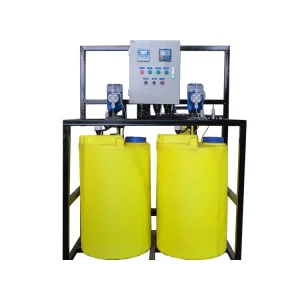
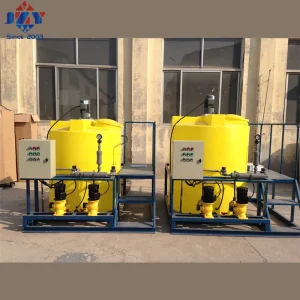
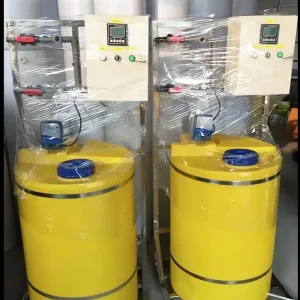
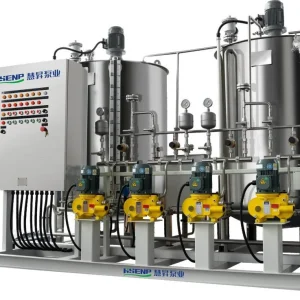
Adjusting pH levels is critical to prevent acidification. Integrated chemical dosing systems supply precise amounts of alkaline compounds or trace minerals. This supports the bacterial communities and ensures stable, continuous biogas yields.
Before dewatering downstream residue (digestate), inline polymer dosing systems are used to group fine particles together. This step is essential for efficient filtration and dry cake separation.
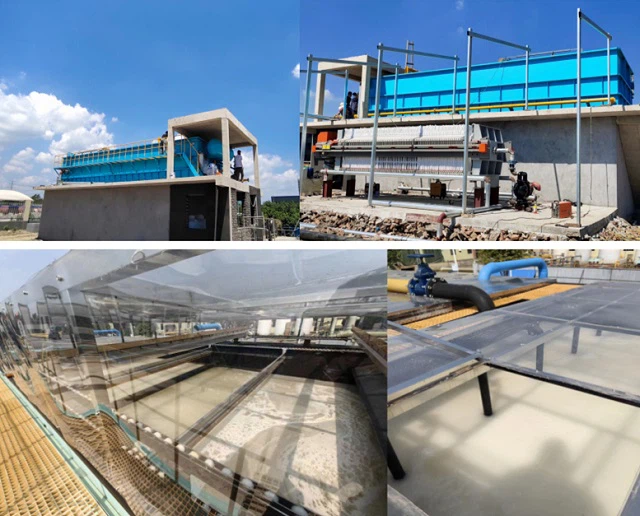
Once biogas is harvested, the remaining material—the digestate—is a mix of liquids and solids. Efficiently processing this byproduct determines the overall environmental impact and cost-effectiveness of the facility. Dewatering and filtration systems convert digestate into useful agricultural products and clean, reusable water.
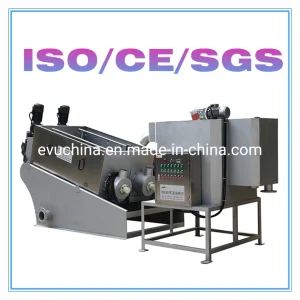
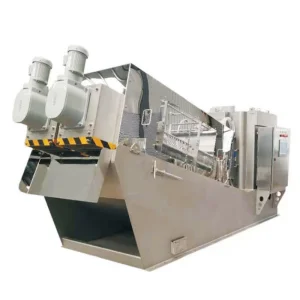
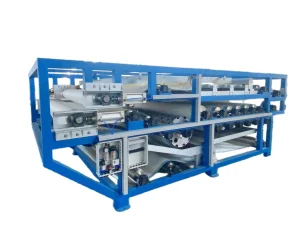
Modern multi-plate screw press dewatering systems are designed to process thick organic sludges. By slowly compressing the digestate through a series of plates, these systems separate liquid from solid biomass. This results in a dry cake that is easy to transport and use as organic fertilizer.
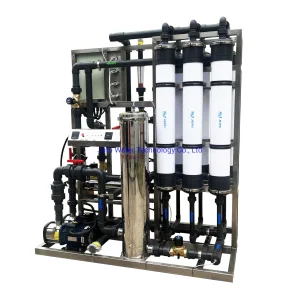
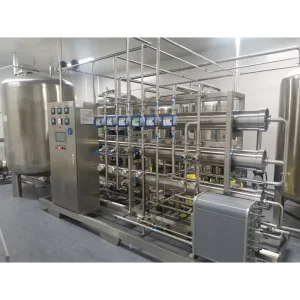
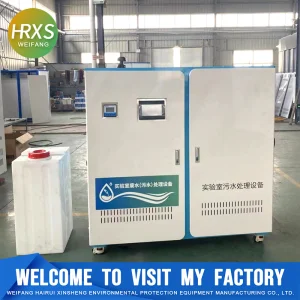
For wastewater management, the liquid separated from the digestate undergoes further treatment. Ultrafiltration systems equipped with PVDF membranes block suspended solids and bacteria. Downstream Reverse Osmosis (RO) systems remove dissolved salts, making the water clean enough for discharge or industrial reuse.
To run a stable biogas facility, all process components must work together smoothly. Below is the step-by-step technological roadmap from receiving raw waste to delivering clean energy and purified effluents.
Shredding, screening, and mixing feedstocks to normalize total solids (TS) percentages.
Automated dosing units regulate pH levels and add trace elements for stable digestion.
Anaerobic digestion inside CSTR or UASB reactors to generate raw methane (CH4).
Screw press systems dewater digestate, separating it into solid cakes and liquid portions.
UF and RO filtration clean the liquid runoff to meet strict discharge and environmental standards.
Biogas projects vary significantly by region due to differences in climate, local regulations, and available feedstocks. Sourcing technology from specialized manufacturing centers allows operators to configure systems for their specific local requirements:
These regions focus on processing high-solids agricultural waste, municipal food scraps, and industrial sludge. Projects must meet strict environmental standards, requiring highly automated dosing and advanced membrane filtration to prevent ground-water contamination.
Facilities here often process agricultural effluents like Palm Oil Mill Effluent (POME) or starch wastewater. High organic loading rates require continuous wastewater processing, robust sludge separation, and systems capable of handling corrosive materials.
Projects in these regions are frequently located in remote agricultural areas. The technology must be straightforward to maintain, highly reliable, and energy-efficient, using durable dewatering machinery to process livestock manure and crop residues.
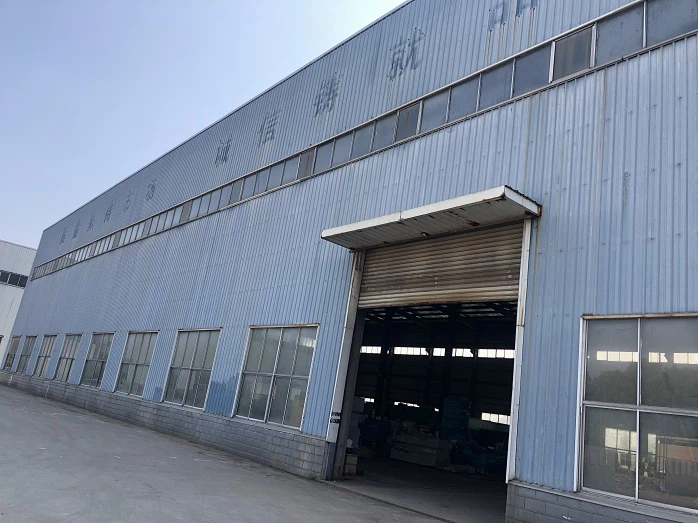
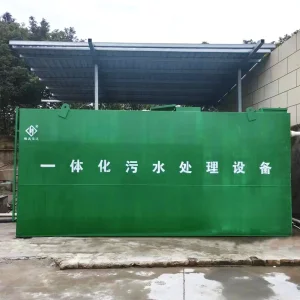
Shanghai Olaprixa Industrial Co., Ltd. is a specialized manufacturer and engineering provider focused on advanced industrial wastewater treatment solutions. Integrating sludge processing systems and intelligent chemical dosing technologies, the company delivers efficient, reliable, and customized water treatment systems for a wide range of industries including manufacturing, chemical processing, food production, and municipal infrastructure.
Olaprixa offers a comprehensive portfolio covering wastewater treatment equipment, sludge dewatering and thickening systems, and precision chemical dosing units designed to optimize treatment performance and operational efficiency. By combining modern process engineering with automation control, the company ensures stable system operation, reduced environmental impact, and compliance with global discharge standards.
With a strong emphasis on customization, Olaprixa provides tailored water engineering solutions based on specific project requirements, from initial consultation and system design to installation guidance and after-sales technical support. Its team of experienced engineers continuously works to enhance system efficiency, reduce energy consumption, and improve resource recovery.
Committed to sustainability and innovation, Shanghai Olaprixa Industrial Co., Ltd. aims to help global clients achieve cleaner production, water reuse, and long-term environmental responsibility through smart and cost-effective treatment technologies.