Olaprixa Industrial Olaprixa Industrial

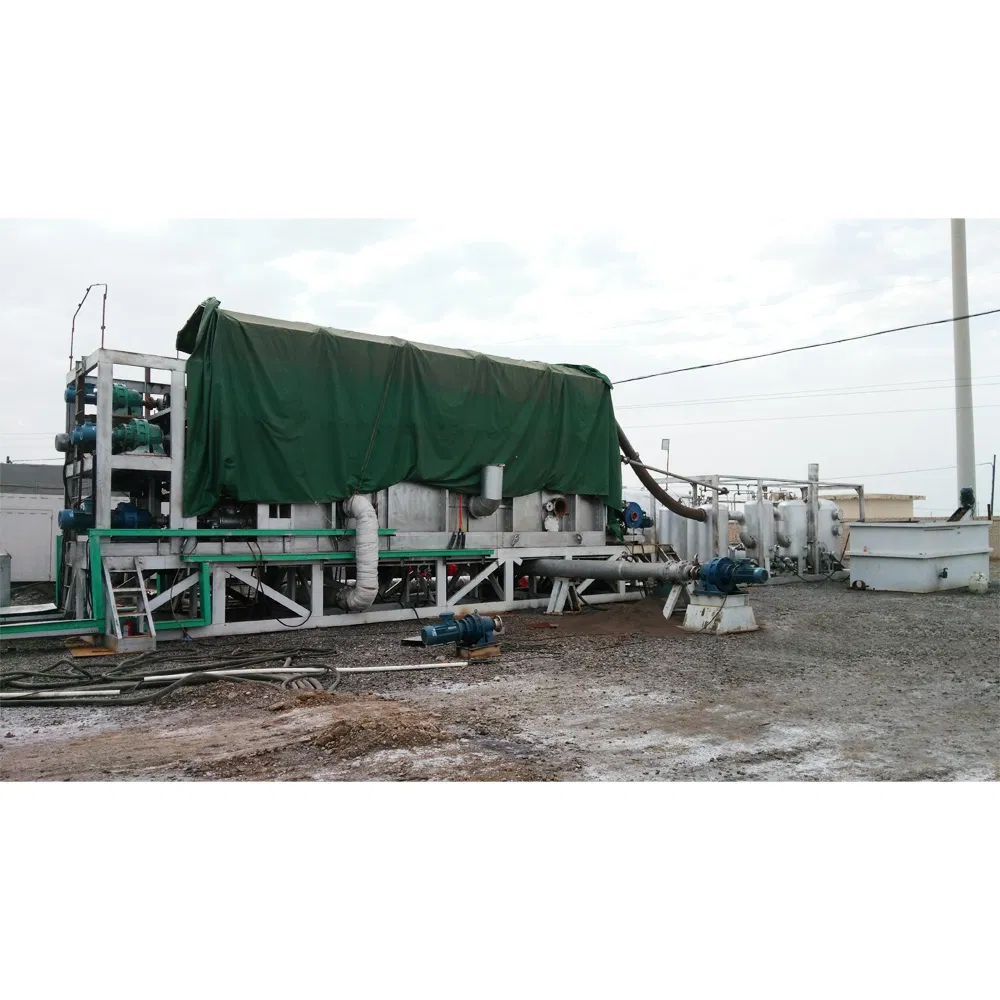
Advanced Mobiel Waste Sludge Oil Recovery System & Treatment

Customization: Available
Certification: CE, ISO 9001:2008
Power Source: Electric

Product Description

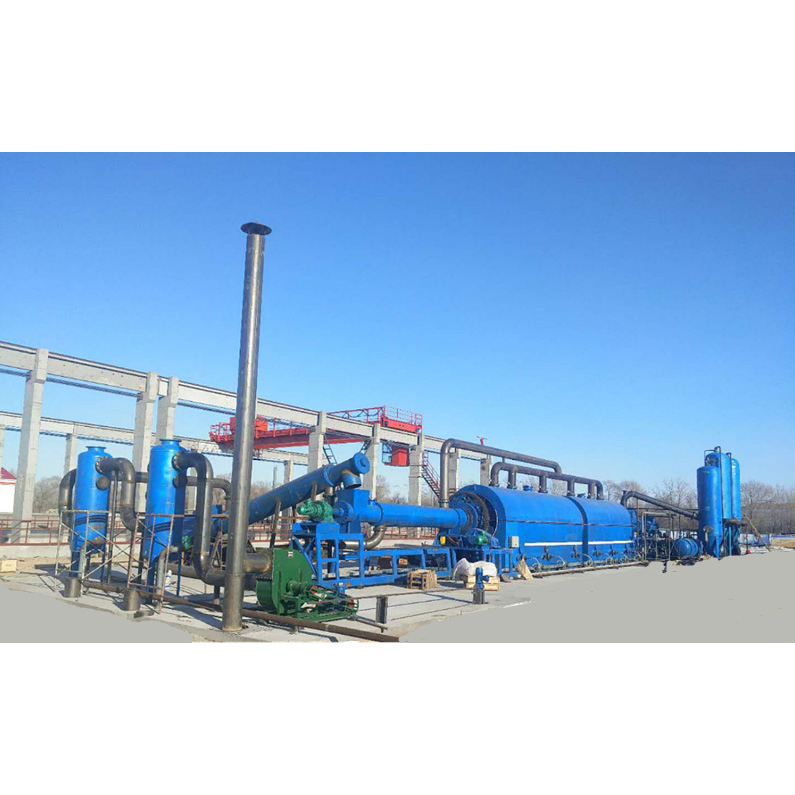
Mobile Waste Sludge Oil Recovery System & Treatment

Capacity: 50TPD (Tons Per Day)

Basic Specifications
Model NO.
BJYN-50
Operation Pressure
Vacuum
Material
Boiler Steel
Type
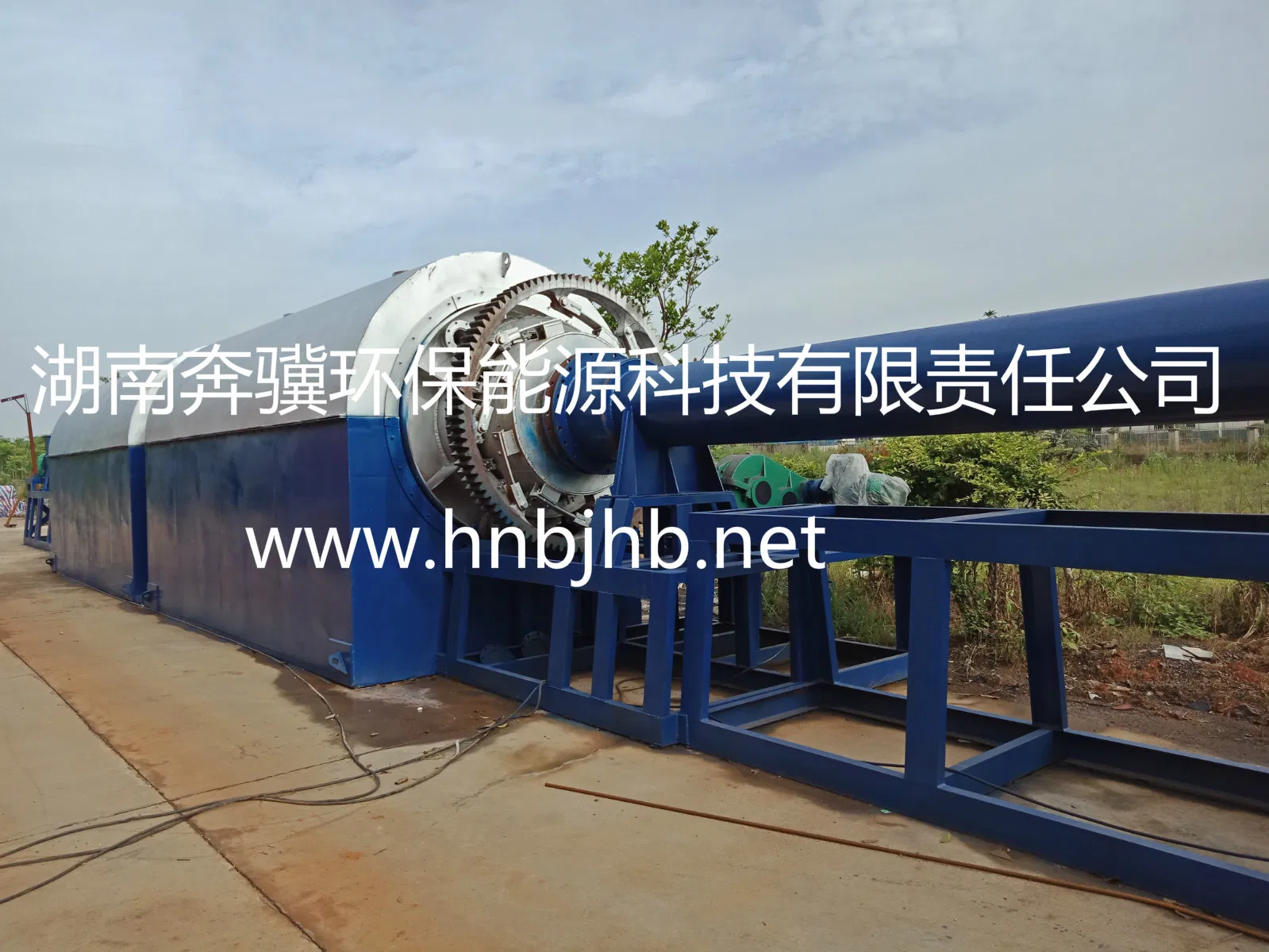
Pyrolysis Reactor
Usage
Oil Recycling & Drying Sludge
Fuel Advantage
Recycling Fuel Heating
Air Purification
System Installed
End Discharge
Oil Content < 0.3%
Electricity
380V
Labors Required
3-4 Persons
Land Area
200-1500m²
Reduction Rate
To 10-15%
Emission
CO2, H2O
HS Code
8477800000
Production Capacity
200 Sets/Year
⚙️

Advanced Technology Features

No loose agent required, no external fuel needed, zero moisture in slag, and no organic odor. The system ensures stable, continuous production that is harmless to the environment while maximizing recycling benefits.

Core Process Line
A

Dehydration: Hierarchical dehydrate reaching 50% moisture content.

B

Pyrolysis: Thermal decomposition to effectively remove oil.

C

Recycling: Integrated cooling and oil recycling system.

D

Final Treatment: Deslag and re-burn until oil content is under 0.3%.

Pyrolysis Process Introduction
  1. Conditioned Process: 80-95% water content oily sludge is processed to break coating water, facilitating precipitation.
  2. Concentration Process: Separation of oil sludge concentration; water is removed from the top.
  3. Flocculation: Pre-separation of oily sludge from water.
  4. Multi-Prefiltration: Obtaining drier sludge through multi-stage filtration.
  5. Ultrafiltration: Deep dehydration to meet standard discharge requirements.
  6. Conveyance: Processing sludge with 40-60% oil content.
  7. Drying: Preparation for final incineration.
  8. Incineration & Catalysis: Use of catalytic accelerants under high temperature for self-ablation, resulting in red-brick colored inorganic dry matter.
Smog and Dust Purification
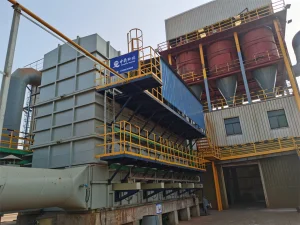
1. High-Temp Burn: Secondary burning at 850-1000ºC to decompose dioxin and neutralize CO.
2. Heat Exchange: Efficient thermal energy recovery.
3. Denitration: Removal of nitrogen oxides.
4. Desulfurization: Removal of sulfur compounds.
5. Ionize Purification: Final ionizing stage for clean emission.
Slag Passivation & Recycling
♻️

Passivation: Harmful heavy metals are passivated to prevent hazard release.

Brick Production: All inorganic residue material can be recycled for construction brick production.
Frequently Asked Questions

What is the final oil content after treatment?
The system is highly efficient, ensuring the final end discharge has an oil content of under 0.3%.
Is the system environmentally friendly?
Yes. It features a complete smog and dust purification system (denitration, desulfurization, and dioxin decomposition) with final emissions being primarily CO2 and H2O.
How many workers are needed to operate the BJYN-50?
The system is designed for efficiency and typically requires only 3 to 4 labors for operation.
What can be done with the residue (slag)?
The residue is completely devoid of organic matter and can be recycled to produce construction bricks.
What type of fuel is required for heating?
One of the major advantages of this system is that it can use recycling fuel generated during the process to heat the reactor, saving significant energy costs.
What materials is the reactor made of?
The reactor is constructed from high-quality boiler steel to withstand vacuum pressure and high-temperature pyrolysis processes.

Related Products