Olaprixa Industrial Olaprixa Industrial

Continuous Sludge Drying System with Automatic Control

Customization: Available
After-sales Service: Online Support, Field Installation
Warranty: 12 Months

Product Description

Basic Information

Model NO.
DDMG
Type
Sludge Dewatering Machine
Method
Physical Treatment
Usage
Industrial, Home, Agriculture
Transport Package
Standard Export Package
Specification
As Customer's Required
Production Capacity
10 Sets Per Month

Product Description

Sludge Dryer Introduction

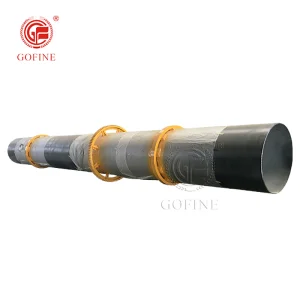
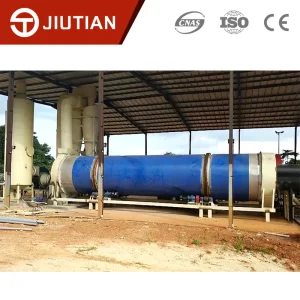
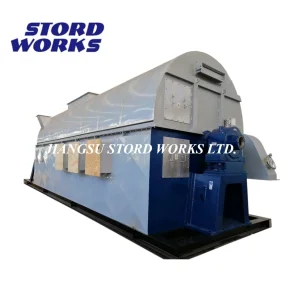
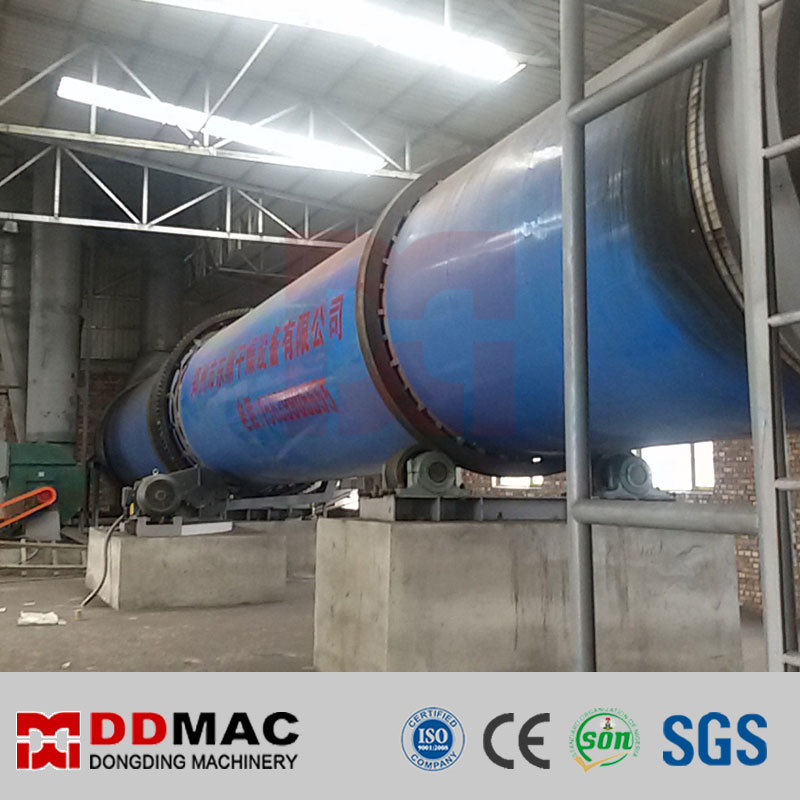
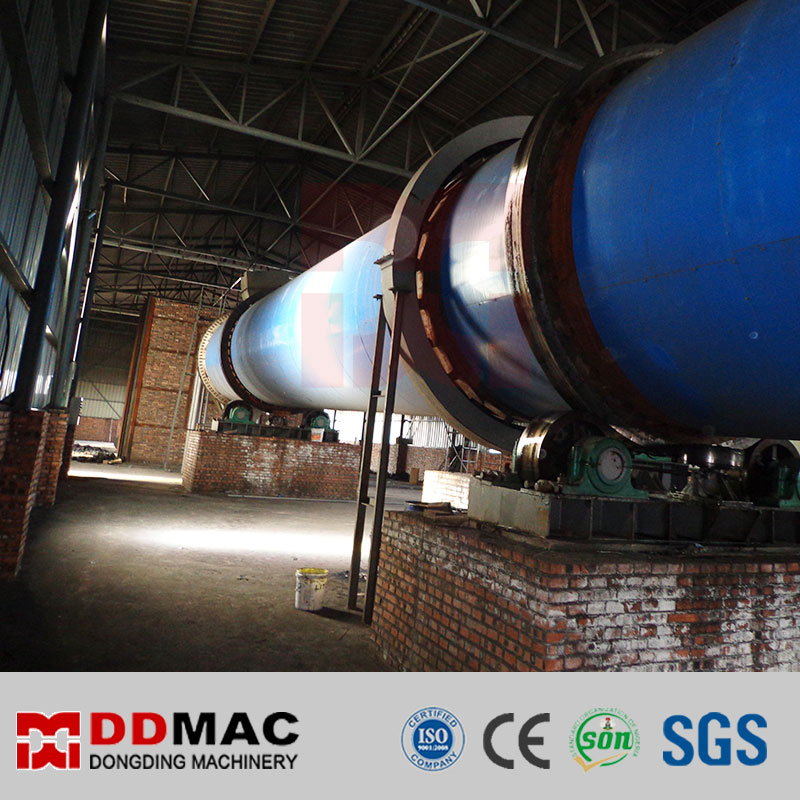
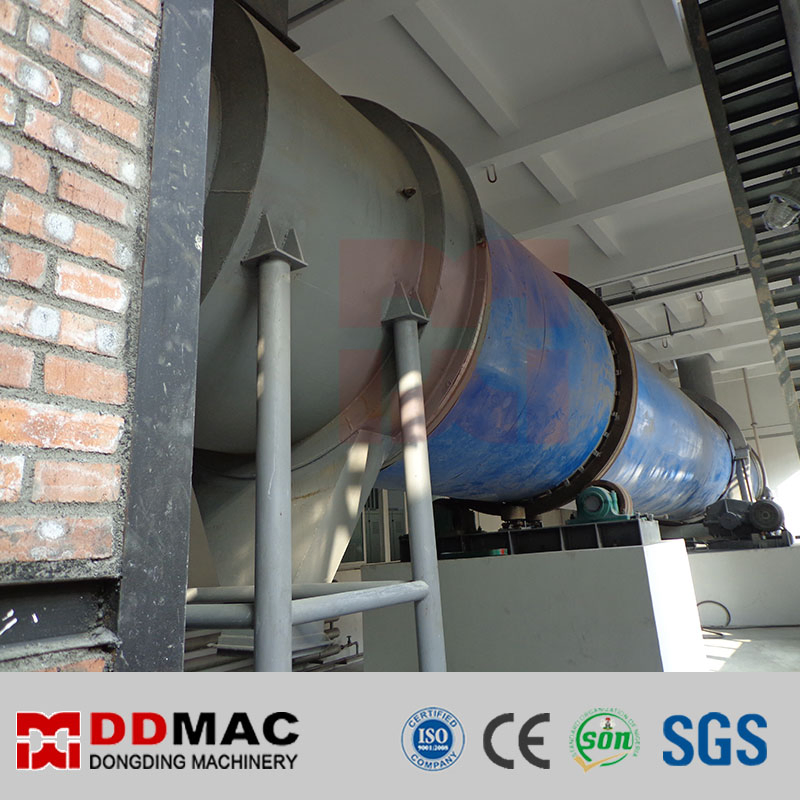
The sludge rotary dryer is a drying equipment specially developed and designed for sludge, which has the characteristics of high moisture, high viscosity, high water holding capacity and low calorific value. A special design is made on the internal structure of the sludge dryer, which not only improves the thermal efficiency, but also effectively avoids the sticking and excessive drying of sludge in the dryer.
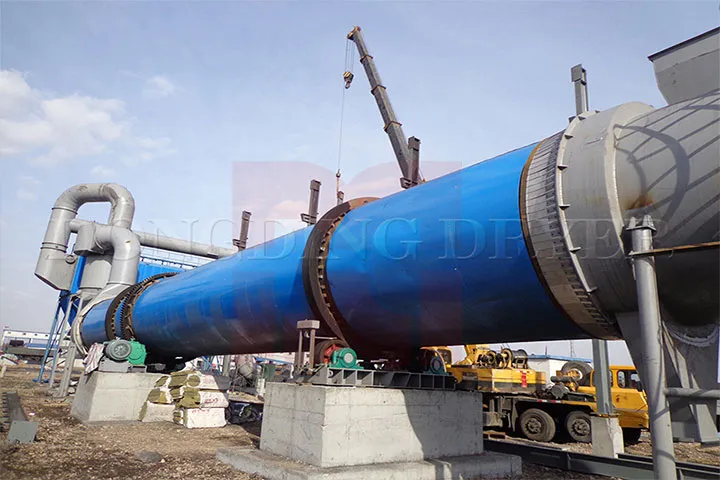
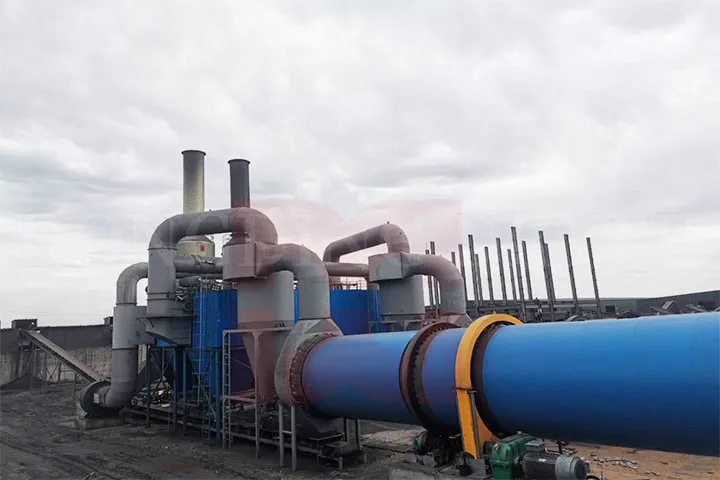
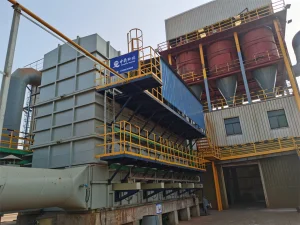
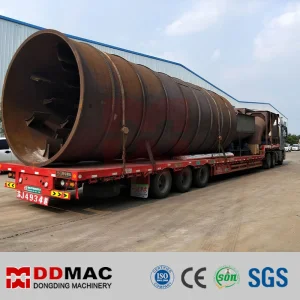
Sludge Drying System 1
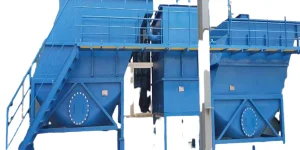
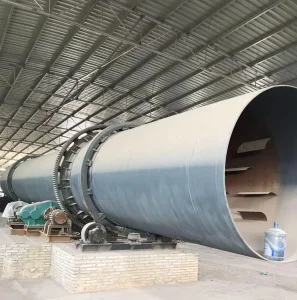
Sludge Drying System 2
Advantages of Slurry Dryer
  • Strong overload resistance, large processing capacity, low fuel consumption and low drying cost.
  • Adopt computer automatic control, which can realize remote control and easy operation.
  • The specially designed retaining wheel structure greatly reduces the horizontal thrust caused by the tilting of the drying equipment.
  • Multiple heating sources available for selection.
Complete Sludge Rotary Drying System

The whole sludge rotary drying system consists of the dehydrator machine, feeder, sludge rotary dryer, discharging machine, induced draft fan, cyclone dust collector and distribution cabinet, etc.
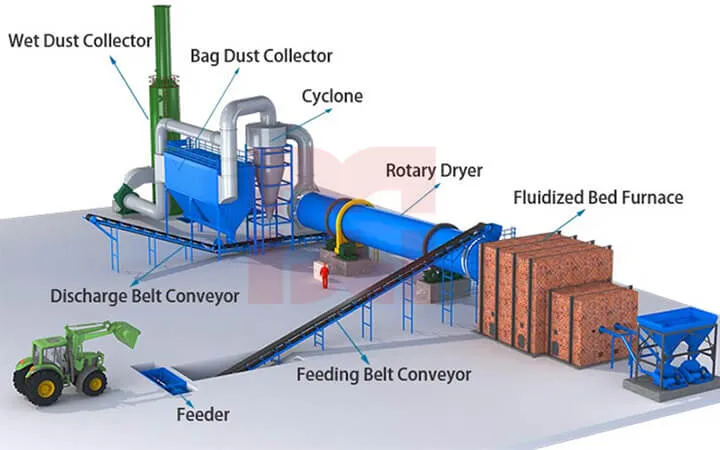
Complete System Layout
Sludge Dryer Wide Application

The sludge dryer is suitable for drying activated sludge, sewage sludge, petrochemical sludge, papermaking sludge, printing and dyeing sludge, tanning sludge, electroplating sludge, municipal sludge, biological fermentation sludge, etc. Besides, it is also applied to coal sludge drying, coal slurry drying, etc.
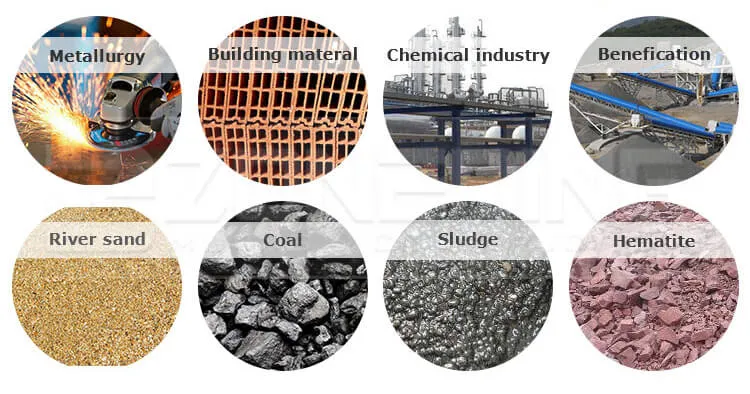
Application Range
Sludge Rotary Dryer Working Principle

Firstly, high moisture sludge is dewatered by the dewatering machine, then transported to the rotary drum dryer by the belt conveyor, where it fully contacts with the hot air. With the running of the rotary dryer, sludge with hot air moves to the end of dryer body. After drying, most of the dry materials will be discharged through the belt conveyor, the left material will go into the cyclone dust collector, where the dust will be collected, and then discharged through the conveyor.

Product Parameters

Model Capacity(T/h) Length (m) Diameter (m) Temperature(ºC) Motor Power(kw)
DD12081.9-2.481.2600-7507.5
DD12102.4-3.0101.2600-7507.5
DD16124.5-5.7121.6600-75015
DD18126.5-8.1121.8600-75018.5
DD22129.7-12.2122.2600-75022
DD241817.4-21.7182.4600-75037
DD242019.3-24.1202.4600-75045
DD262427.2-34.0242.6600-75055
DD302030.1-37.7203.0600-75075
DD322542.9-53.6253.2600-75090
DD362860.8-76.0283.6600-750160

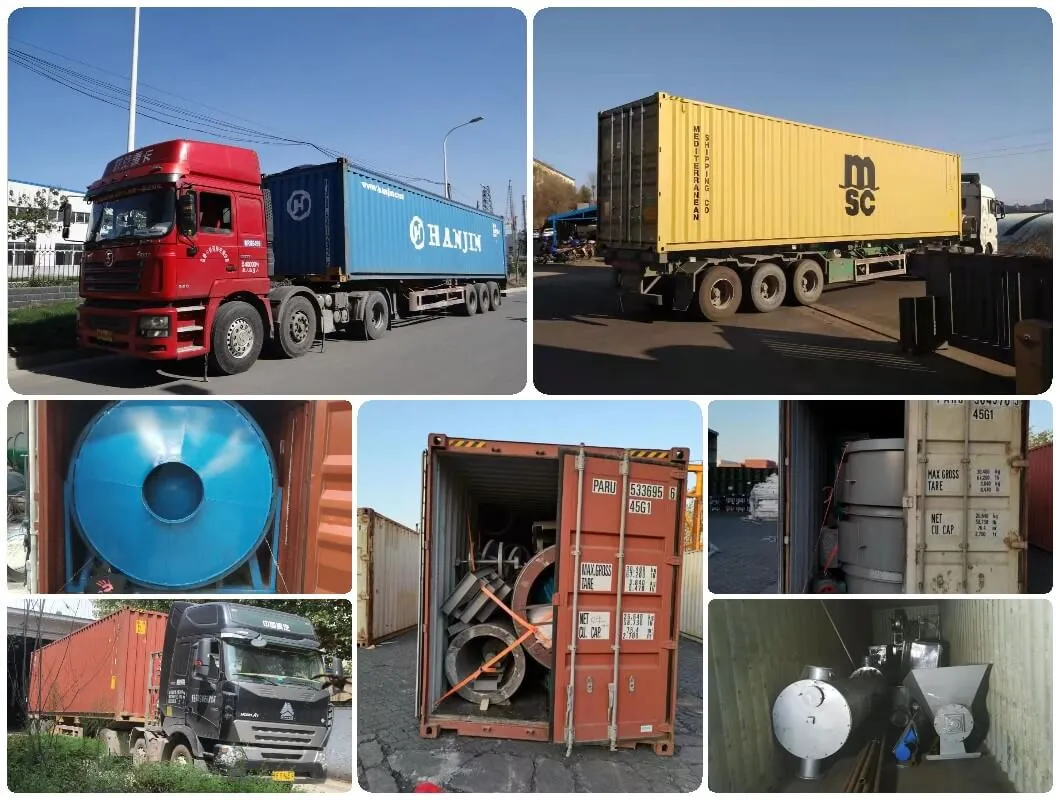
Packaging & Shipping

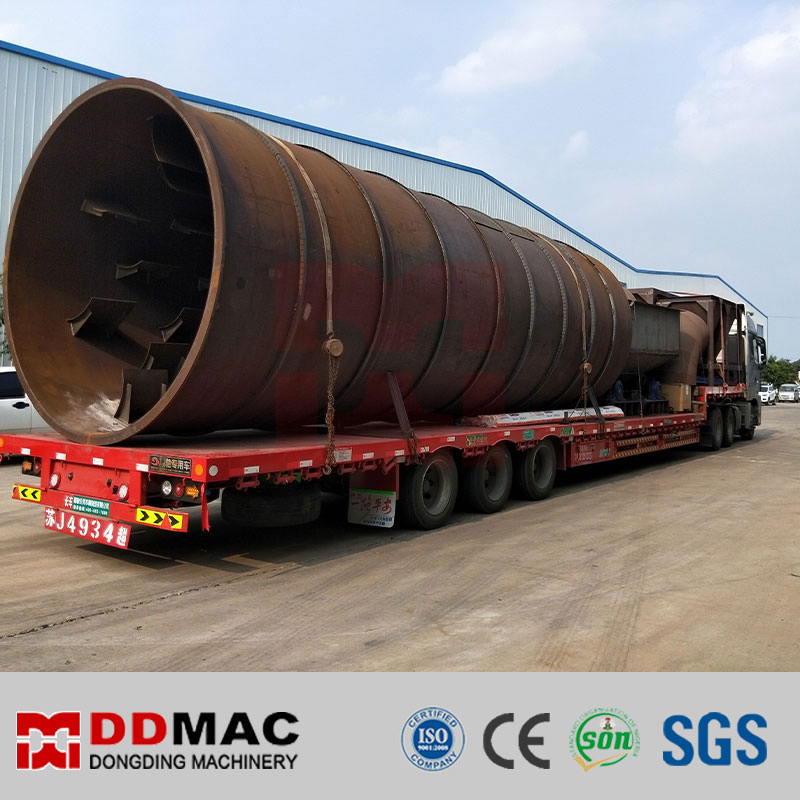
Packaging Details

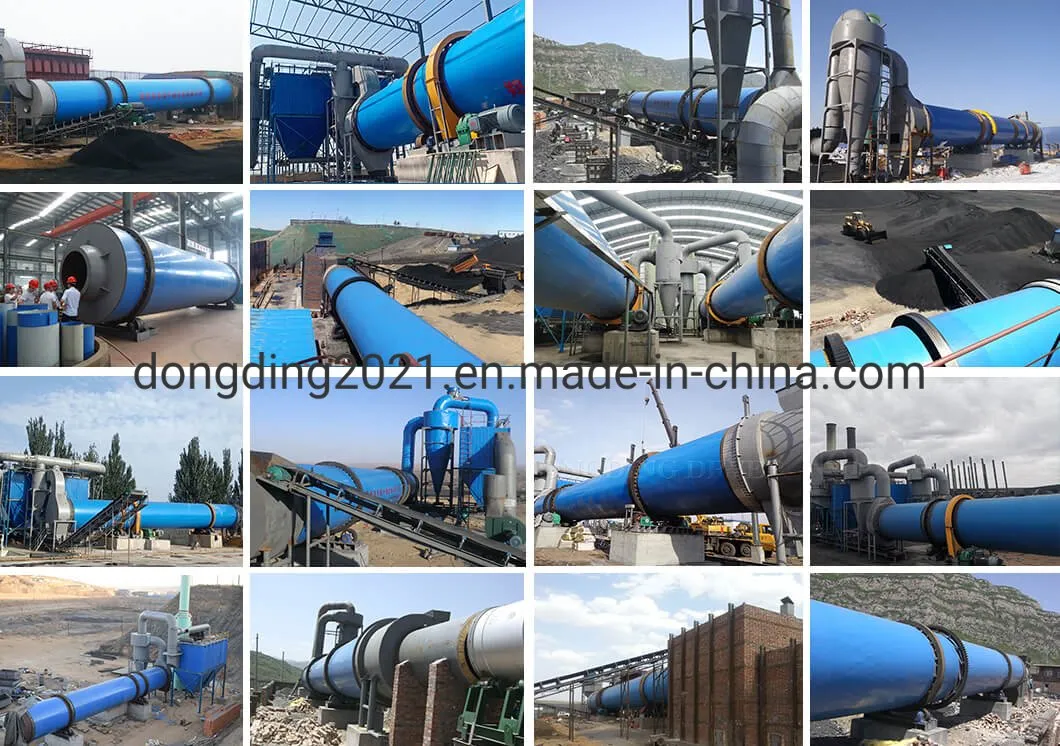
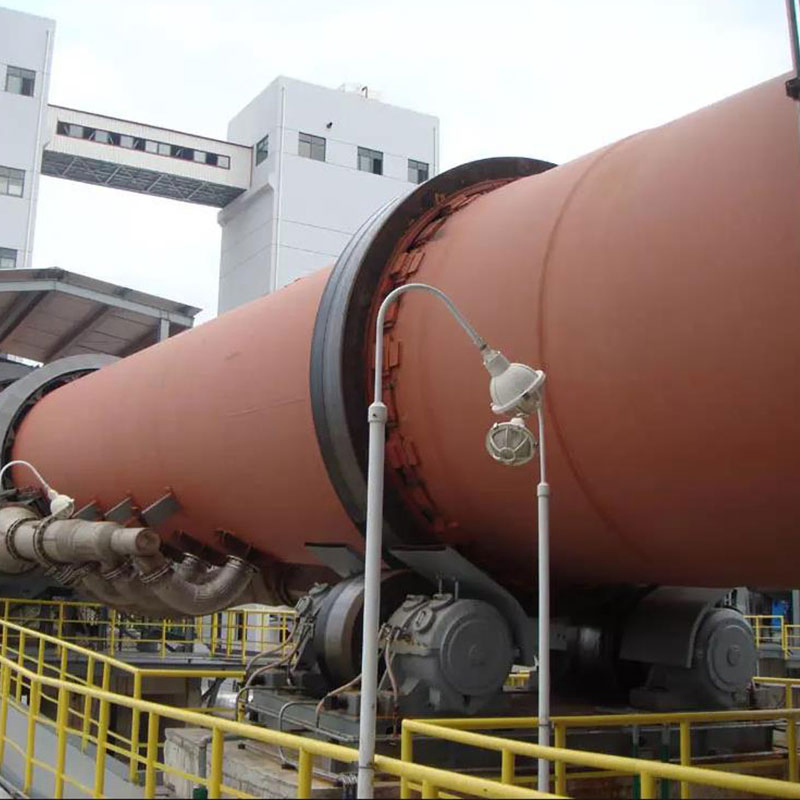
Working Site

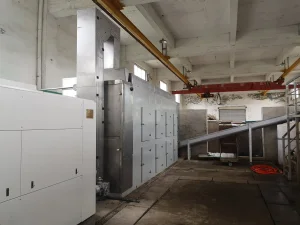
Working Site 1
Working Site 2

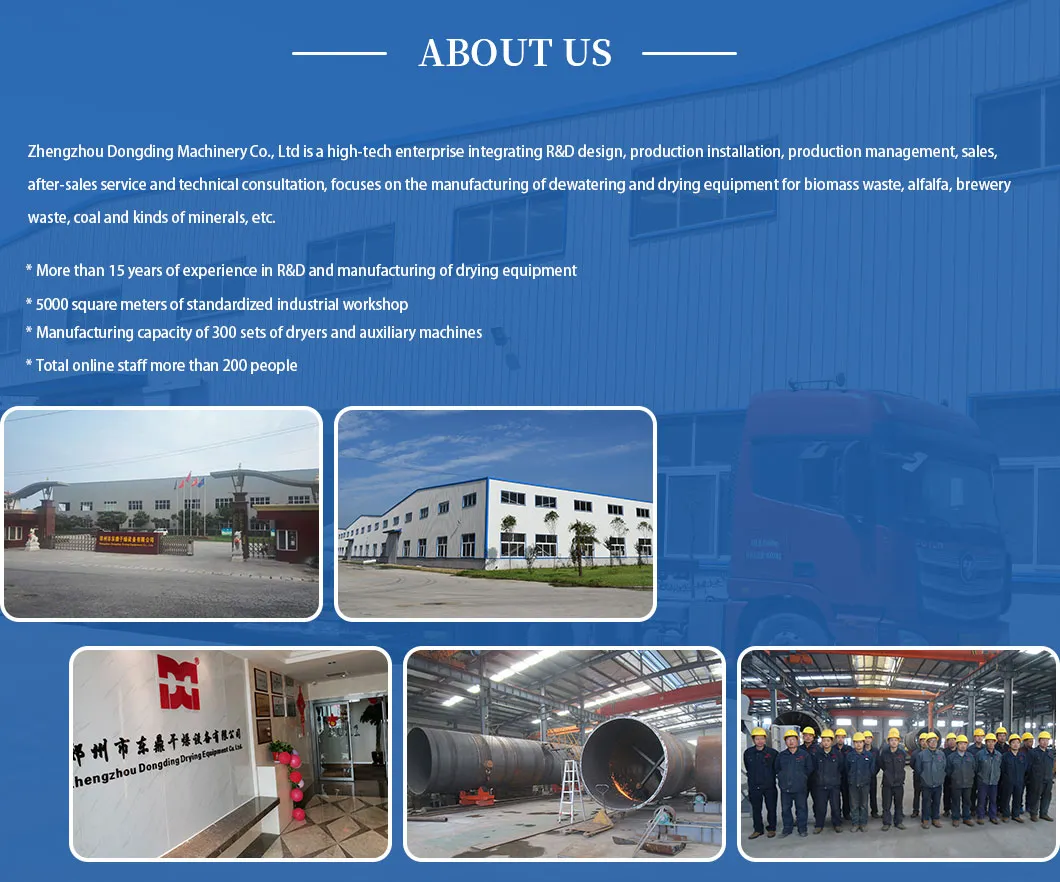
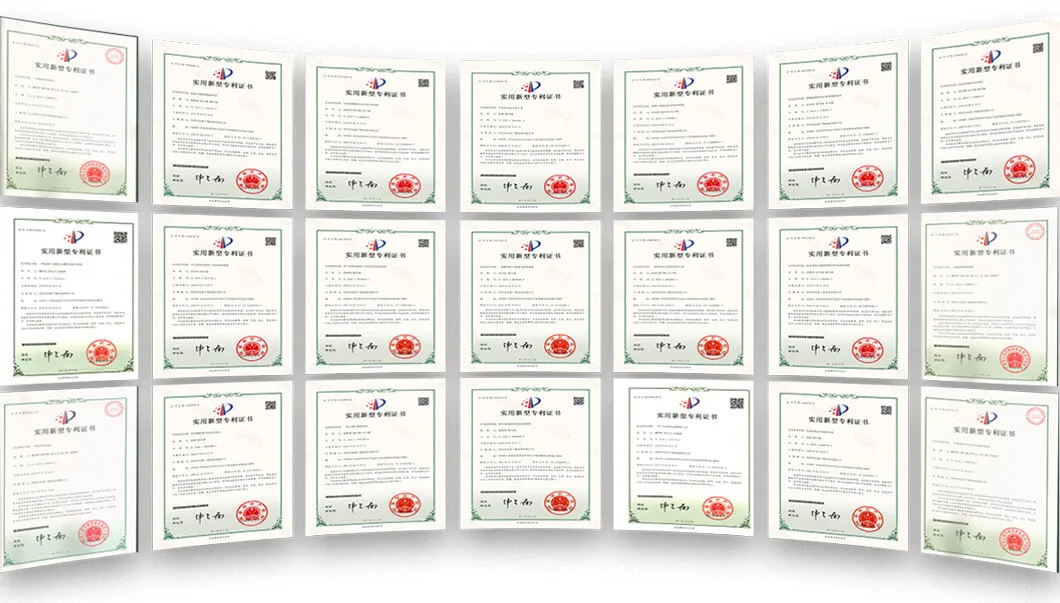
Customer Visit

At present, our products have been recognized by customers all over the world, and successfully exported to Indonesia, South Africa, Vietnam, Thailand, Myanmar, India, Egypt and other countries and regions.
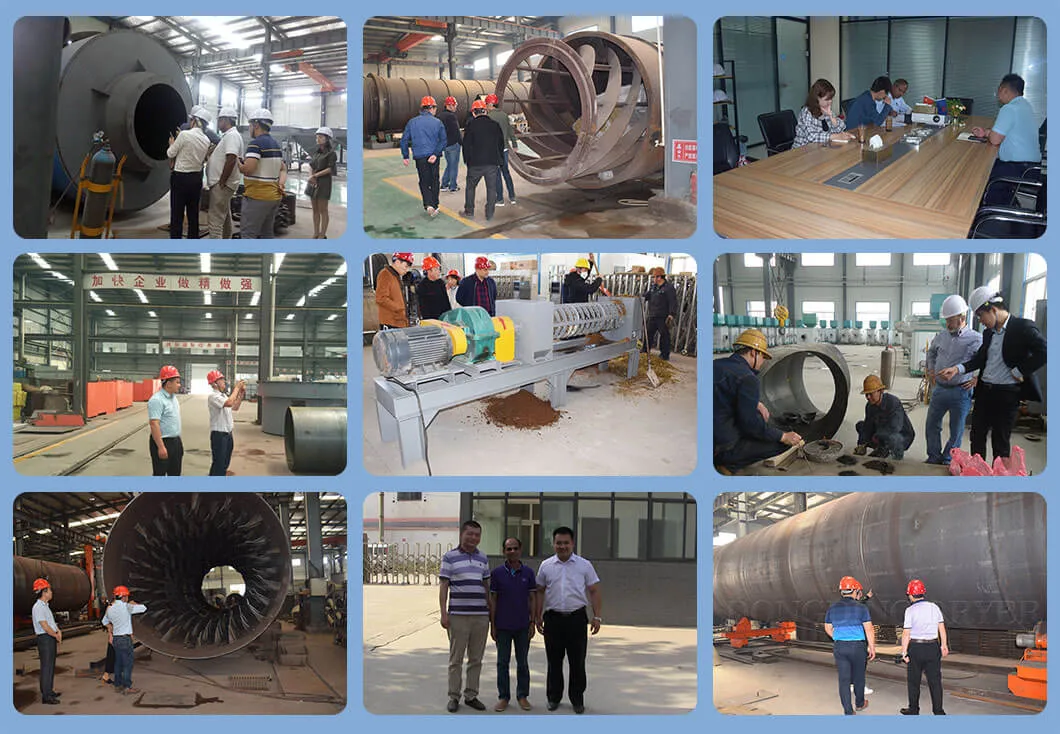
Customer Visit 1
Customer Visit 2
Customer Visit 3

Frequently Asked Questions

Q: What makes the sludge rotary dryer suitable for high-viscosity materials?
A: It features a specially designed internal structure that prevents sticking and avoids excessive drying while significantly improving thermal efficiency.
Q: What are the primary advantages of this drying system?
A: The system offers strong overload resistance, large processing capacity, low fuel consumption, and is equipped with an automatic computer control system for remote operation.
Q: What types of sludge can be processed with this equipment?
A: It is suitable for a wide range of materials including activated sludge, municipal sewage, petrochemical, papermaking, tanning, electroplating, and coal sludge.
Q: What components are included in a complete rotary drying system?
A: A complete system typically includes a dehydrator, feeder, rotary dryer, discharging machine, draft fan, cyclone dust collector, and a distribution cabinet.
Q: Does the equipment support different heating sources?
A: Yes, the design allows for multiple heating source selections to meet the specific energy requirements of the user.
Q: How does the automatic control system improve operation?
A: The computer automatic control facilitates remote monitoring and simplified operations, reducing the need for manual intervention and ensuring consistent drying quality.

Related Products