Olaprixa Industrial Olaprixa Industrial

Urban Sludge Treatment Dryer ETP Drying Upgrade System

Customization: Available
After-sales Service: Provide
Type: Drying Machine

Product Description

Basic Specifications

Usage
Industrial, Home, Agriculture, Hospital
Capacity (T/H)
30-200
Initial Moisture
53-85%
Final Moisture
≤25%
Heat Source
Natural Gas, Biogas, Liquefied Gas, etc.
Total Power (Kw)
40-236
Plant Area (M)
20*5 - 30*10
Production Capacity
20 Sets/Month

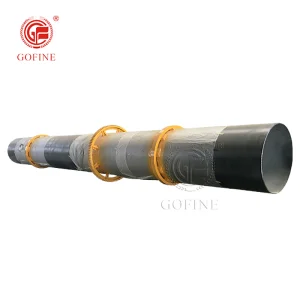
Introduction of Slurry Rotary Dryer

Sludge drying is an intermediate treatment process involving the evaporation of water content, transforming waste into useful products or green fuel. By significantly reducing volume and weight, it minimizes storage and transportation costs while facilitating easier recovery.

Sludge typically presents challenges such as high viscosity and low calorific value. The new generation rotary drum drying system addresses these issues effectively, reducing moisture to less than 25%, meeting standards for landfill or incineration. The technology is mature, stable, and convenient for long-term operation.
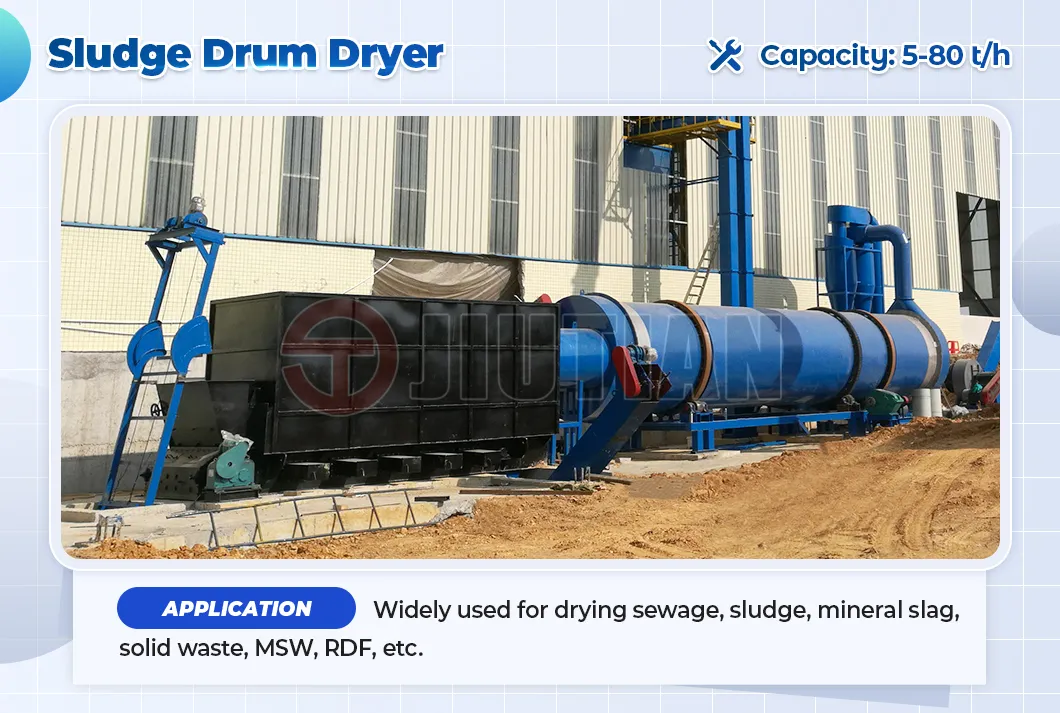
Sludge Treatment Dryer System

Working Principle

The system utilizes a multi-stage process to handle wet sludge (approx. 80% moisture). After initial mechanical dewatering to 55-60%, it enters the drum dryer across six specialized zones:
  • Feedstock Zone: Rapid evaporation via high-temperature air contact. Specialized flights prevent bonding.
  • Clean-up Area: Materials are crushed and kneaded into 20-40mm pellets, increasing heat exchange surface area.
  • Main Drying Zone: Radial slanting flights ensure uniform heat exchange in a loose granular state.
  • Breaking Zone: Pellets are reduced to 10-20mm to further decrease internal moisture.
  • Enhanced Drying: Small granular particles fully absorb heat to reach the final water requirement.
  • Outlet Zone: Material glides to the discharge opening at 20-25% moisture without dust emission.
Drying Equipment Process

Technical Parameters

Model JTNJ1412 JTNJ1812 JTNJ2512 JTNJ3012 JTNJ3412
Capacity (T/h) 30 60 100 150 200
Initial Moisture 53-85%
Final Moisture ≤25%
Total Power (kW) 40 65 126 188 236
Plant Area (m²) 20*5 22*6 25*8 28*8 30*10

Product Features & Applications

  • High Security: Advanced circulating air technology ensures stable low oxygen content for safe operation.
  • Eco-Friendly: Integrated four-stage deodorization (cyclone, acid wash, alkali wash, UV decomposition).
  • Efficiency: Drying strength is 3-5 times higher than ordinary equipment with low investment footprint.

Applications: Suitable for electroplating, tannery, chemical, oil field, municipal sewage, petrochemical, and paper sludge, as well as biological fermentation residues.
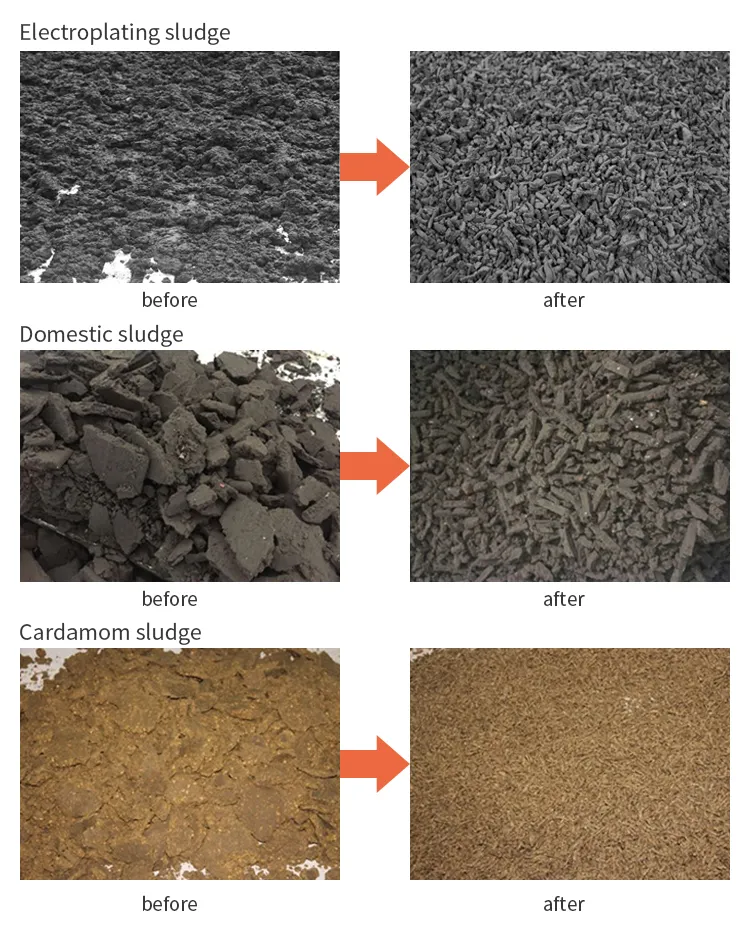
Sludge Application
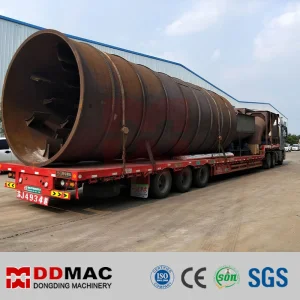
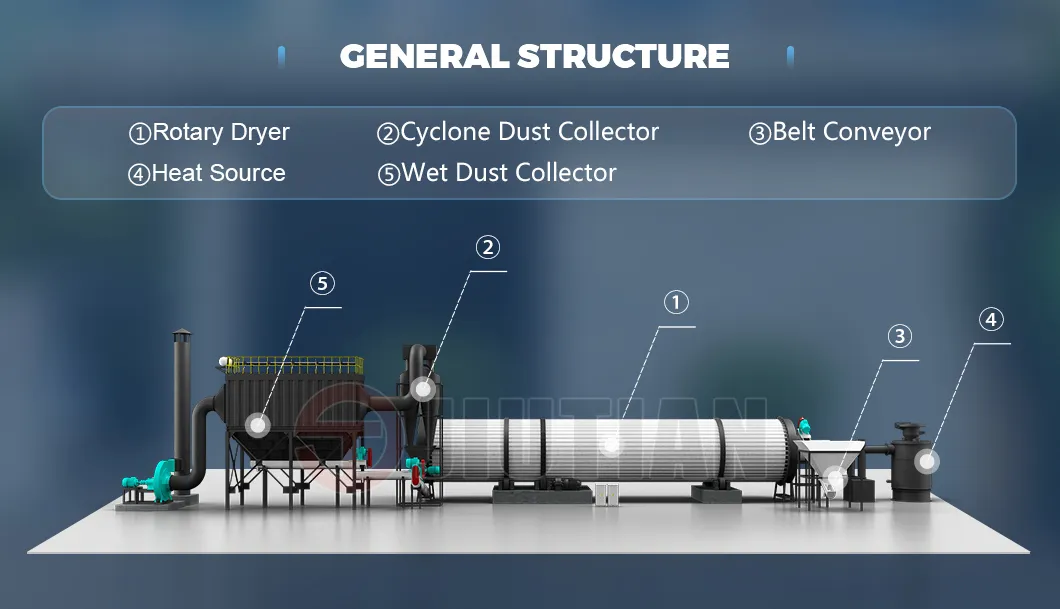
Dryer Components
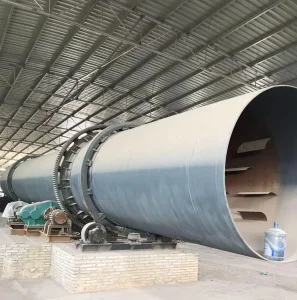
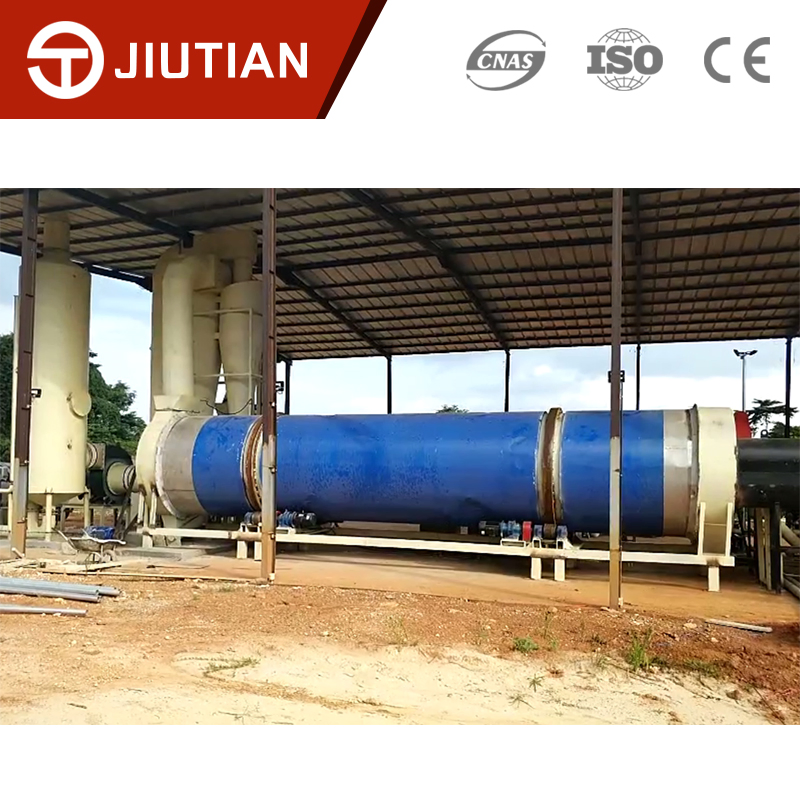
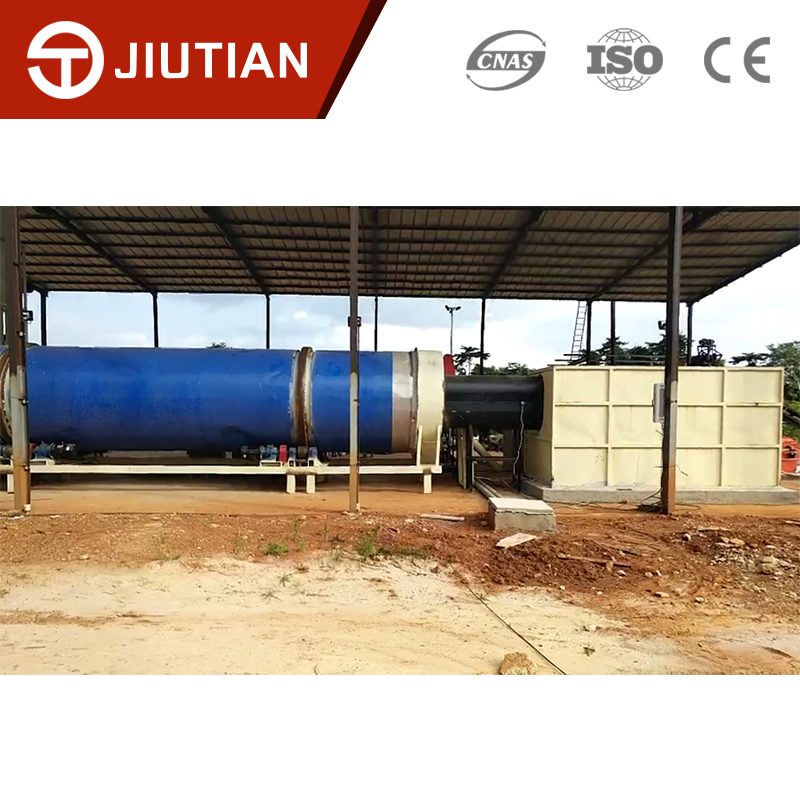
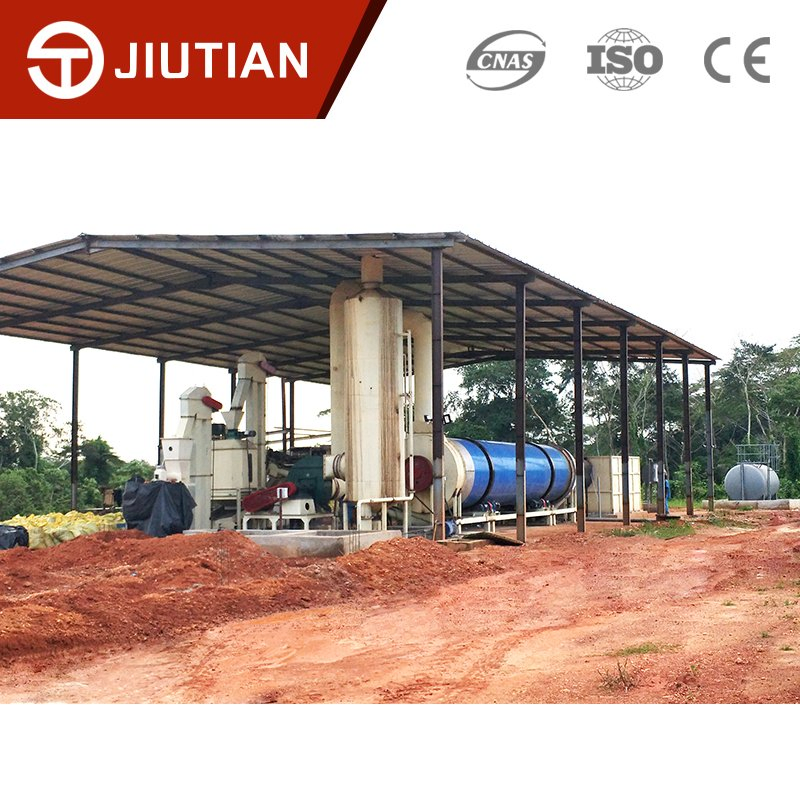
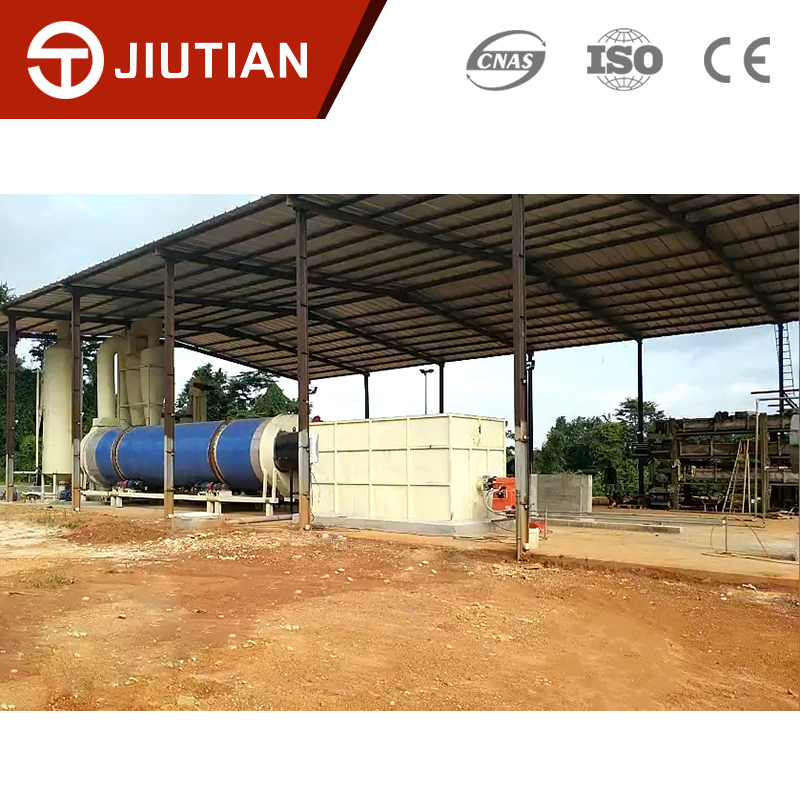
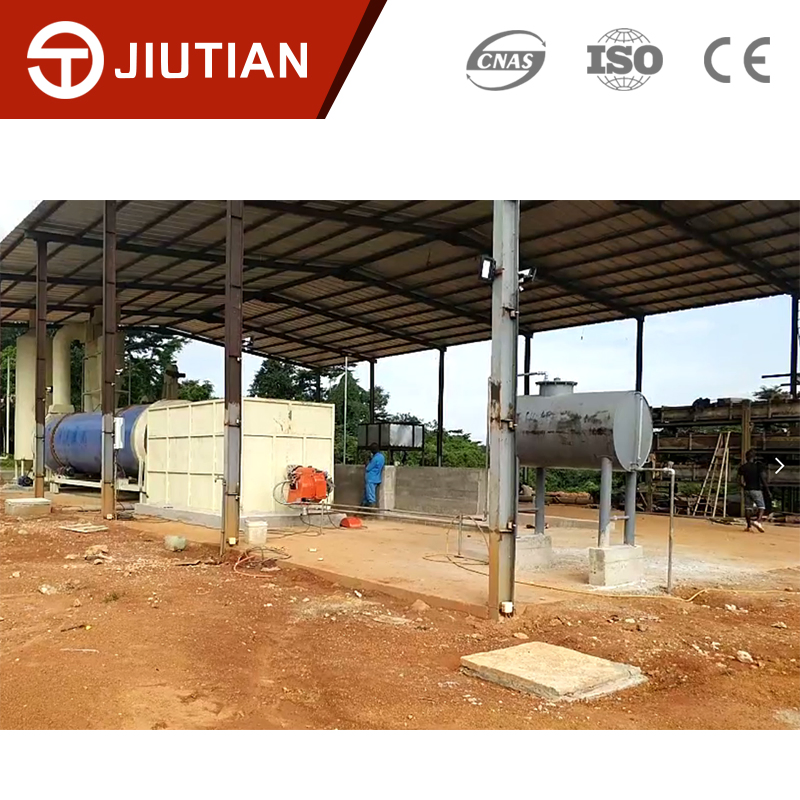
Installation Site

Frequently Asked Questions

Q1: What is the final moisture content achievable?
The system can reduce sludge moisture from an initial 80% down to 25% or less, making it suitable for landfills or incineration.
Q2: What heat sources can be used with this dryer?
The system is highly flexible and can utilize natural gas, biogas, liquefied gas, and other gaseous fuels.
Q3: How does the system handle odors?
We use a four-stage deodorization method involving cyclone dust removal, acid washing, alkali washing, and UV decomposition to ensure emissions meet environmental standards.
Q4: Is the equipment prone to clogging with sticky sludge?
No, the dryer features a unique "broken arch rapping device" and specialized cleaning flights that prevent material from bonding to the inner walls.
Q5: Can the drying parameters be adjusted?
Yes, the system supports intelligent control with automatic adjustment of operating parameters to suit different sludge properties.
Q6: What is the typical production capacity?
Our standard range covers 30 to 200 tons per hour, with the ability to manufacture up to 20 full sets per month.

Related Products