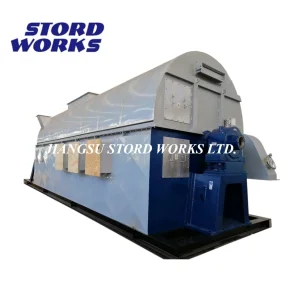
Basic Specifications
Type
Environmental Monitoring Instrument
System
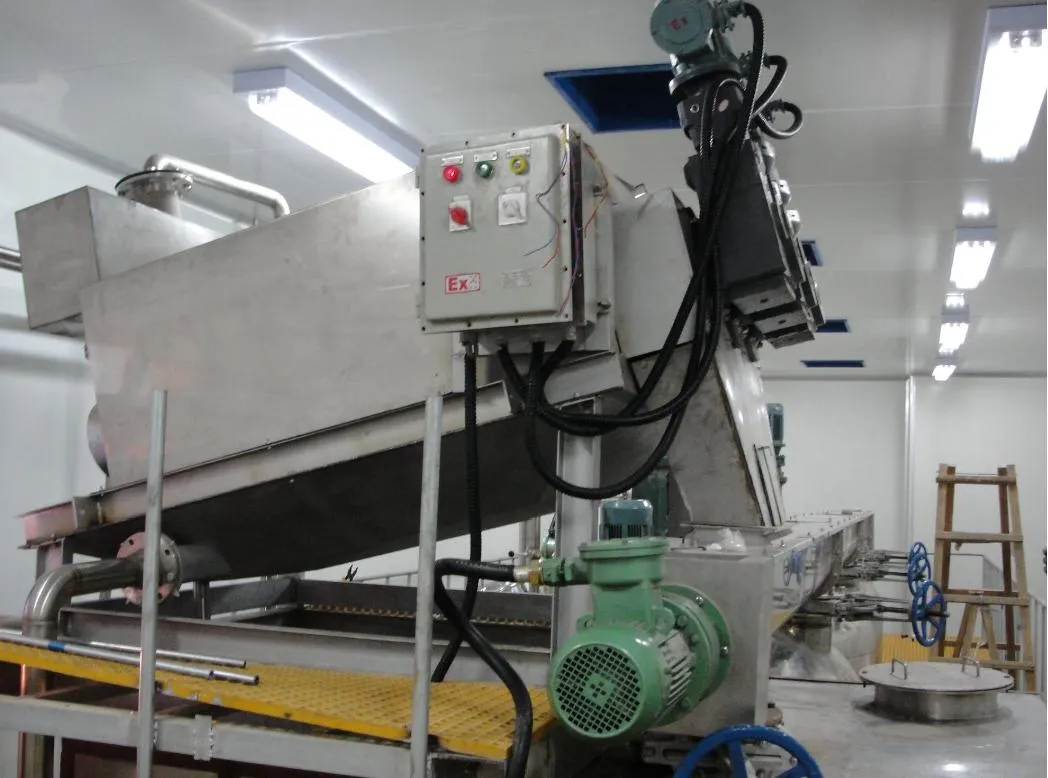
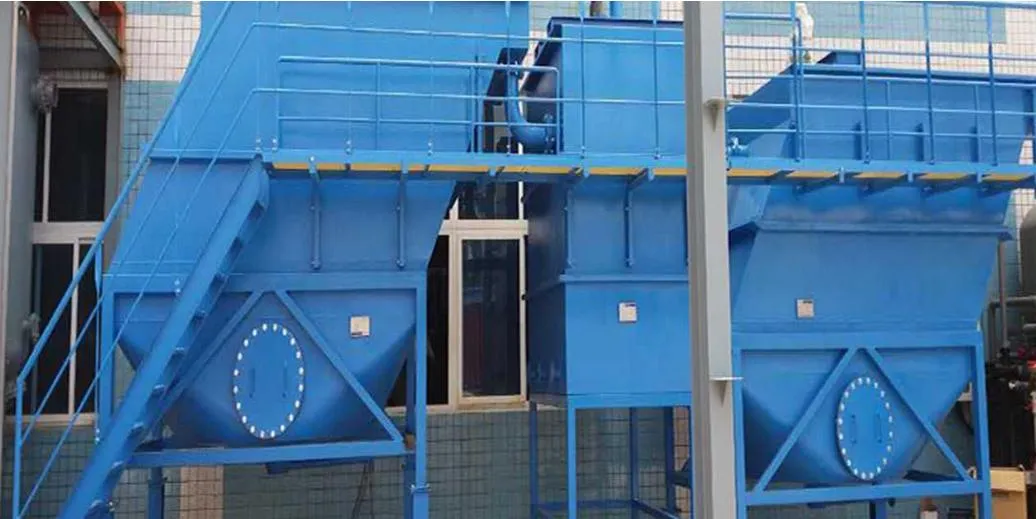
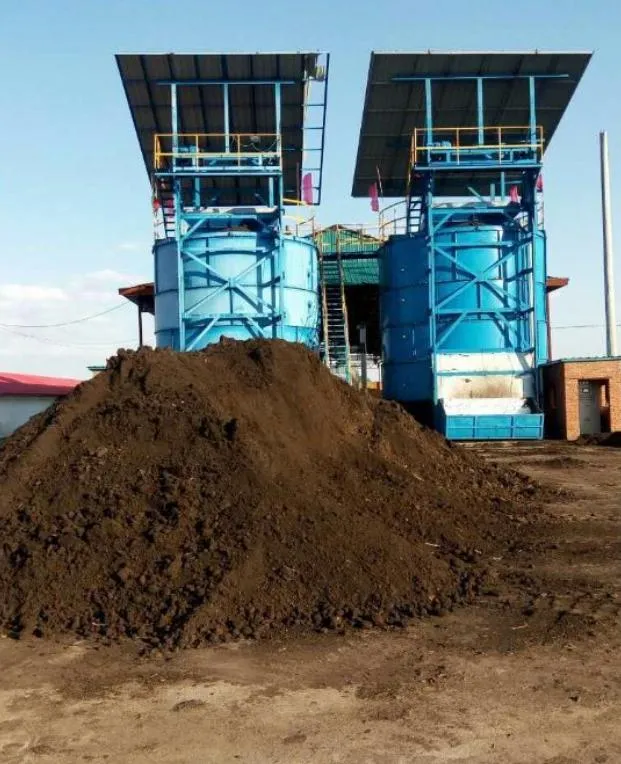
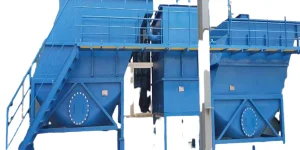
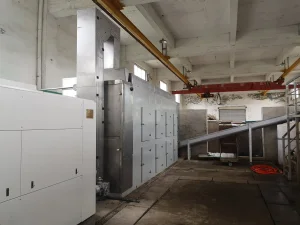
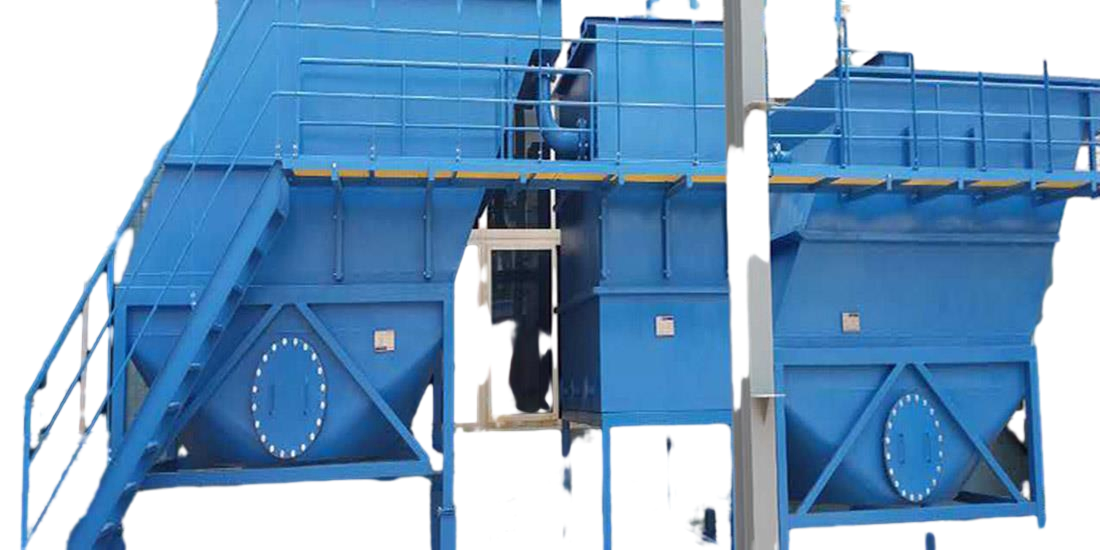
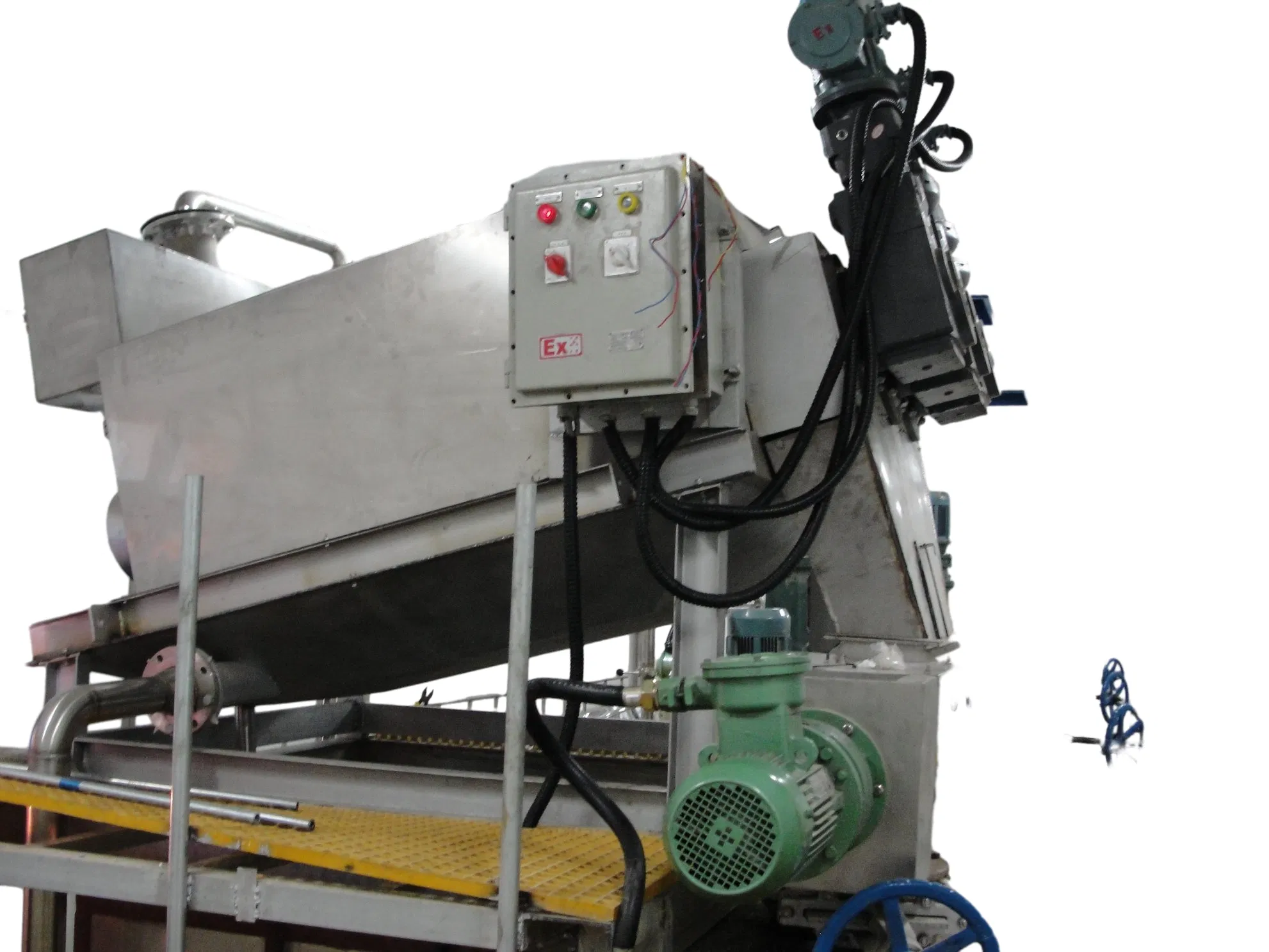
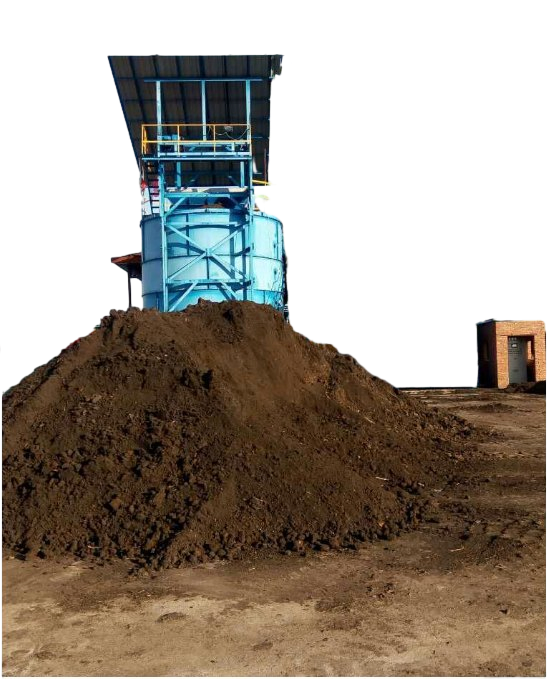
Sludge Drying Plant System
Applications
Industrial & Municipal Wastewater Treatment
Industry
Water and Wastewater Treatment
Specification
Customizable
Solution Introduction
Municipal sludge, the byproduct of urban drainage systems, originates from drainage pipes, pump stations, and sewage disposal plants. Characterized by high organic matter (60%~80%), fine particles (0.02~0.2mm), and high moisture content, it is vulnerable to corrosion and pollution.
Traditional disposal is challenging due to pathogens, heavy metals, and carcinogens like dioxins. Incineration is currently the most complete, fast, and economic method. This process carbonizes organic matter, reducing sludge volume by 70% to over 90%, while transforming sediment energy into heat or electric power.
Process Flow & Direct Incineration
The process of Municipal Sludge Decrement and Innoxious Disposal utilizes specialized S valve sludge pumps to transfer dewatered sludge in a totally-enclosed environment to existing facilities such as cement rotary kilns, thermal power plant boilers, or garbage incinerators.
Strengths of Direct Incineration:
- Small footprint and low treatment cost.
- Maximum volume reduction for enhanced safety and easier handling.
- Rapid treatment speed eliminating the need for long-term storage.
- Complete carbonization of organic matter and elimination of pathogens.
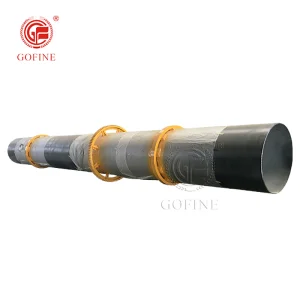
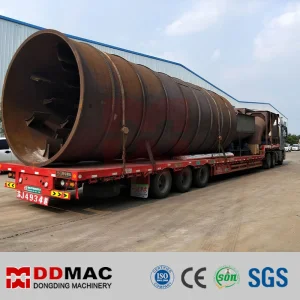
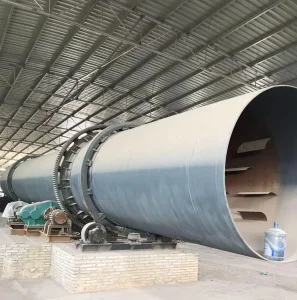
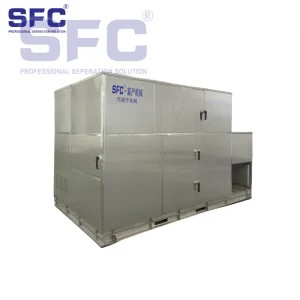
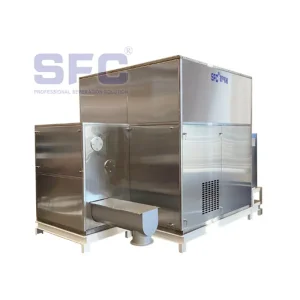
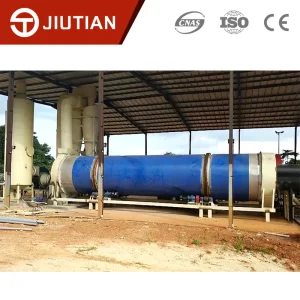
This process can handle approximately 100 tons of dewatered sludge (80% moisture) per day. After simple mechanical dewatering, sludge is transferred via a clean storage and transportation system to drying equipment for semi-desiccation before final power generation incineration.
Technical Features
Zero Heat Source CostUses waste heat from boilers to achieve zero energy cost.
Direct Contact DryingEfficient direct drying method for rapid moisture removal.
Low Temp TechniqueSafe processing using low-temperature drying technology.
Stable OperationNo interference with existing incineration equipment operation.
Space SavingUtilizes nearby heat sources, requiring no additional land.
Complete DecrementEnsures the highest level of waste volume reduction.
Core Equipment: S Valve Sludge Pump
| Model |
Discharge Capacity (m³/h) |
Distribution Valve Form |
Delivery Pressure (Mpa) |
| FLSP 15 | 15 | S-tube Valve | 13 |
| FLSP 20 | 20 | S-tube Valve | 13 |
| FLSP 25 | 25 | S-tube Valve | 13 |
| FLSP 30 | 30 | S-tube Valve | 13 |
| FLSP 35 | 35 | S-tube Valve | 13 |
Frequently Asked Questions
Why is incineration preferred for municipal sludge treatment?
Incineration is the most complete method, reducing sludge volume by up to 90%, eliminating pathogens and heavy metals, and converting waste into usable heat or electricity.
What is the core technology of the transport system?
The system uses FLSP series S-tube valve sludge pumps, which provide high-pressure delivery (up to 13Mpa) in a totally-enclosed environment to prevent secondary pollution.
Does the drying process require expensive energy sources?
No, the system is designed to use waste heat from existing boilers or incinerators as a heat source, achieving zero heat source costs.
Can this system be integrated into existing plants?
Yes, it is designed for direct integration with cement rotary kilns, thermal power plant boilers, and garbage incinerators without affecting their primary operations.
What moisture content can the system handle?
The system is highly efficient at handling dewatered sludge with an average moisture content of 80% for direct incineration or semi-desiccation.
Are the technical parameters customizable?
Yes, specifications including discharge capacity and delivery pressure can be customized to meet specific municipal or industrial project requirements.
 Olaprixa Industrial