Olaprixa Industrial
Olaprixa Industrial
Olaprixa Industrial
Shanghai Olaprixa Industrial Co., Ltd. is a specialized manufacturer and engineering provider focused on advanced industrial wastewater treatment solutions, integrating sludge processing systems and intelligent chemical dosing technologies. Headquartered in Shanghai, China, the company delivers efficient, reliable, and customized water treatment systems for a wide range of industries including manufacturing, chemical processing, food production, and municipal infrastructure.
Olaprixa offers a comprehensive portfolio covering wastewater treatment equipment, sludge dewatering and thickening systems, and precision chemical dosing units designed to optimize treatment performance and operational efficiency. By combining modern process engineering with automation control, the company ensures stable system operation, reduced environmental impact, and compliance with global discharge standards.
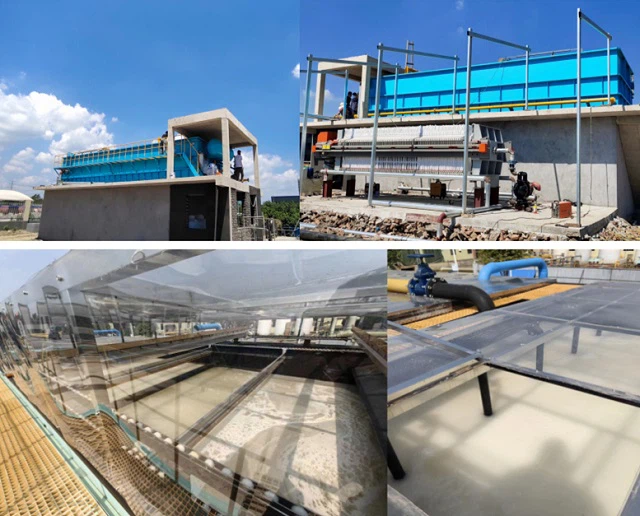
With a strong emphasis on customization, Olaprixa provides tailored water engineering solutions based on specific project requirements, from initial consultation and system design to installation guidance and after-sales technical support. Its team of experienced engineers continuously works to enhance system efficiency, reduce energy consumption, and improve resource recovery.
Committed to sustainability and innovation, Shanghai Olaprixa Industrial Co., Ltd. aims to help global clients achieve cleaner production, water reuse, and long-term environmental responsibility through smart and cost-effective treatment technologies.
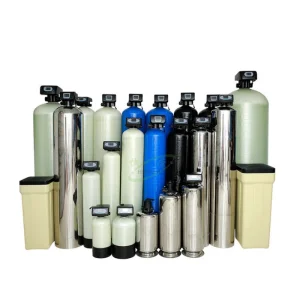
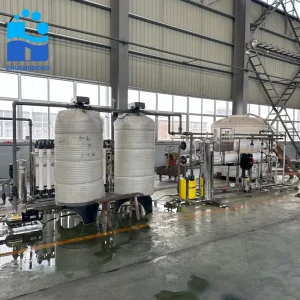
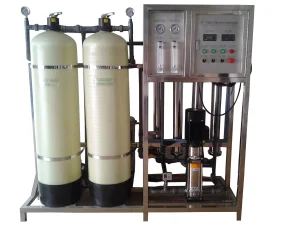
Explore our primary array of high-capacity water filtration and separation equipment engineered for harsh industrial processing conditions.
Today's global industrial landscape faces unprecedented pressure regarding water usage. Depleting natural reservoirs, combined with strict regulatory measures (such as the EU's Water Framework Directive and the US EPA Clean Water Act), require factories to transition from simple downstream treatment to comprehensive Zero Liquid Discharge (ZLD) systems. Water recycling technology is no longer just a compliance requirement—it is a critical tool for operational stability and cost mitigation.
By recycling over 95% of industrial wastewater, manufacturing plants bypass heavy municipal discharge tariffs and reduce raw intake costs, creating direct ROI.
Modern processes enable factories to extract high-value chemical byproducts, metallic compounds, and organic components from waste streams before ultimate filtration.
Automated tracking ensures consistent parameters (COD, BOD, heavy metal ions) that align with environmental standards, preventing operational stops.
As a premier China water recycling technology factory, Shanghai Olaprixa Industrial Co., Ltd. bridges the gap between high CAPEX European machinery and low-spec alternatives. Our systems use premium, field-tested materials (such as SS304/SS316L stainless steel, titanium alloys, and high-density polymer membranes) alongside industrial control architectures (including Siemens PLC, ABB variable frequency drives, and Endress+Hauser instrumentation) to guarantee long-term operational performance.
Achieving purified industrial process water requires a multi-stage approach. The specific design depends on the feed-water chemical profile, total dissolved solids (TDS) load, and target conductivity.
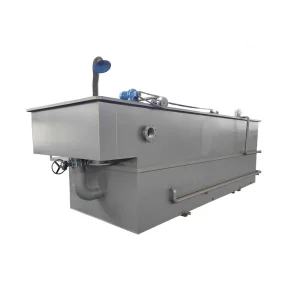
Traditional sedimentation fails when handling low-density suspended solids, emulsified oils, and organic macromolecules. Our DAF technology generates microbubbles (10–30 microns in diameter) via a pressurized air saturation system. These microbubbles attach to flocculated contaminants, lifting them to the water's surface for removal.
Optimized with precise chemical pre-dosing, Olaprixa DAF systems routinely reduce Chemical Oxygen Demand (COD) by up to 85% and Total Suspended Solids (TSS) by over 98%, protecting down-stream membrane systems.
Membrane separation represents the core of modern water recycling. Our setups utilize customized configurations:
Filtration processes concentrate contaminants into a sludge phase. Disposing of liquid sludge is costly and restricted. Olaprixa's sludge solidification systems utilize powder-spraying techniques and polymer conditioning to stabilize hazardous industrial mud.
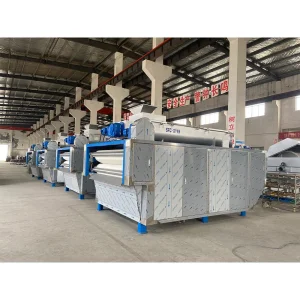
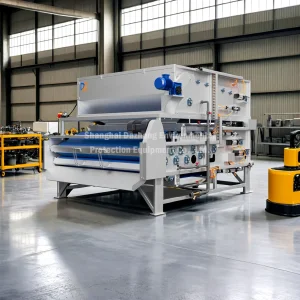
Our multi-axis mixers and high-pressure dewatering machines yield stable, stackable solids with moisture levels below 60%. This reduces shipping volumes and landfill costs.
Industrial wastewater quickly fouls typical membranes. Olaprixa uses hydrophilically modified polyethersulfone (PES) and polyvinylidene fluoride (PVDF) membranes. Working alongside automated Clean-In-Place (CIP) programs and targeted biocides, this setup minimizes scaling and biofilm buildup, extending membrane life by up to 40%.
Deploying high-capacity water treatment plants requires strict alignment with regional engineering codes and environmental standards. Shanghai Olaprixa Industrial Co., Ltd. ensures all wholesale exports are customized to match local compliance criteria:
Systems feature ASME-certified pressure vessels, UL/CSA-compliant electrical control panels, and NPT connection threads, ready for municipal approvals in the US and Canada.
Fully compliant with EC Machinery Directive 2006/42/EC, Low Voltage Directive 2014/35/EU, and electromagnetic compatibility standards, featuring EN flange components.
Designed to withstand voltage fluctuations in developing industrial zones, utilizing tropicalized Siemens PLCs and heavy-duty, marine-grade epoxy coatings for corrosion protection.
To ensure seamless deployment without language or structural barriers, Olaprixa offers real-time digital commissioning support. Every system includes remote IoT telemetry modules, enabling our engineers in Shanghai to monitor startup, optimize PLC parameters, and troubleshoot sensor issues. For large installations, we coordinate with localized mechanical subcontractors to manage onsite piping, plumbing, electrical testing, and operator training.
Different manufacturing verticals produce distinct water effluents. Our team designs customized treatment steps to match the specific needs of each sector:
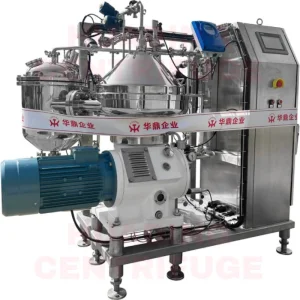
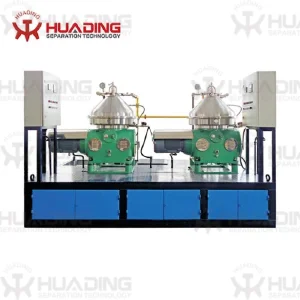
Utilizes continuous disc centrifuges for high-yield microbial concentration and solids isolation. The filtrate is processed via nanofiltration to recover organic compounds while ensuring clean effluent discharge.
Relies on DAF systems to separate suspended oils and grease from process streams, followed by multi-stage reverse osmosis units to reduce conductivity for cooling tower loop makeup.
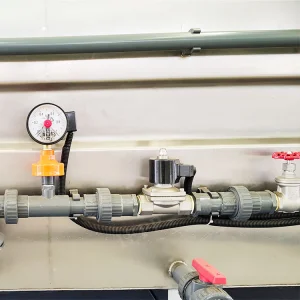
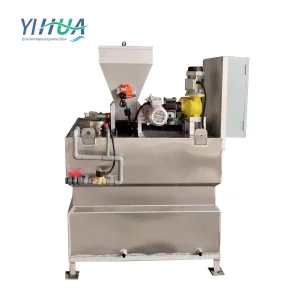
Uses automated chemical dosing and mixing stations to remediate high-moisture sludge. This process fixes heavy metal complexes, allowing for safe disposal or construction reuse.
We continuously develop advanced technologies to make industrial water reuse more autonomous, energy-efficient, and independent of traditional power grids.
Integrating real-time optical sensors with neural network controllers to adjust polymer dosage based on influent turbidity. This system predicts scaling before it occurs, initiating Clean-in-Place cycles only when needed to extend membrane life.
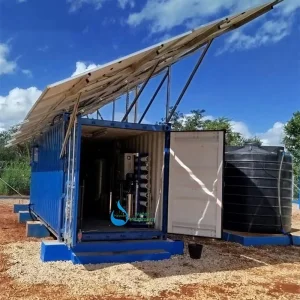
Developing containerized RO desalination plants powered entirely by solar PV arrays. This setup features optimized energy recovery devices (ERD) designed for remote mining, off-grid agriculture, and island applications.
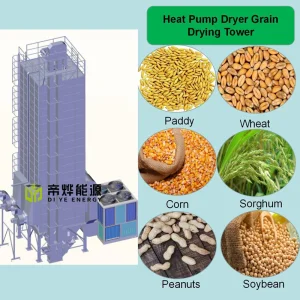
Utilizing closed-loop heat pump drying processes to recycle exhaust heat. This technique removes water from sludge down to 10% moisture with lower energy consumption than traditional gas-fired thermal systems.
Explore our complete range of specialized components, chemical preparation systems, and thermal dewatering installations.
Find quick technical answers regarding operation parameters, customization options, and installation setups.