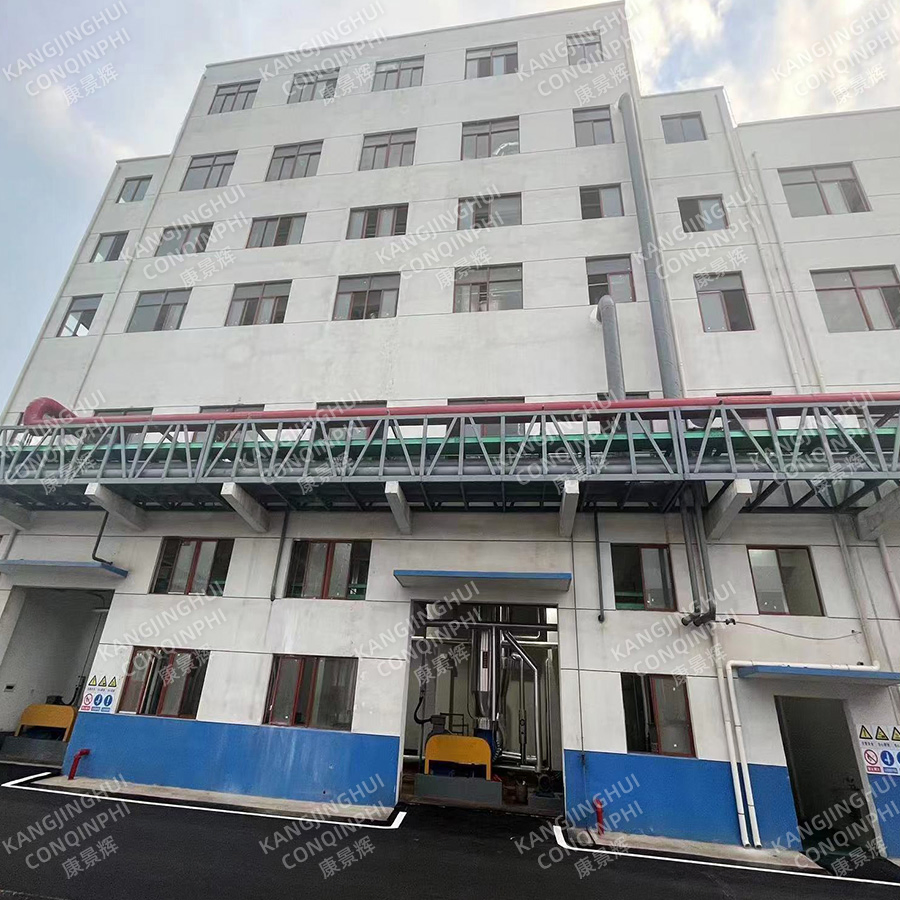
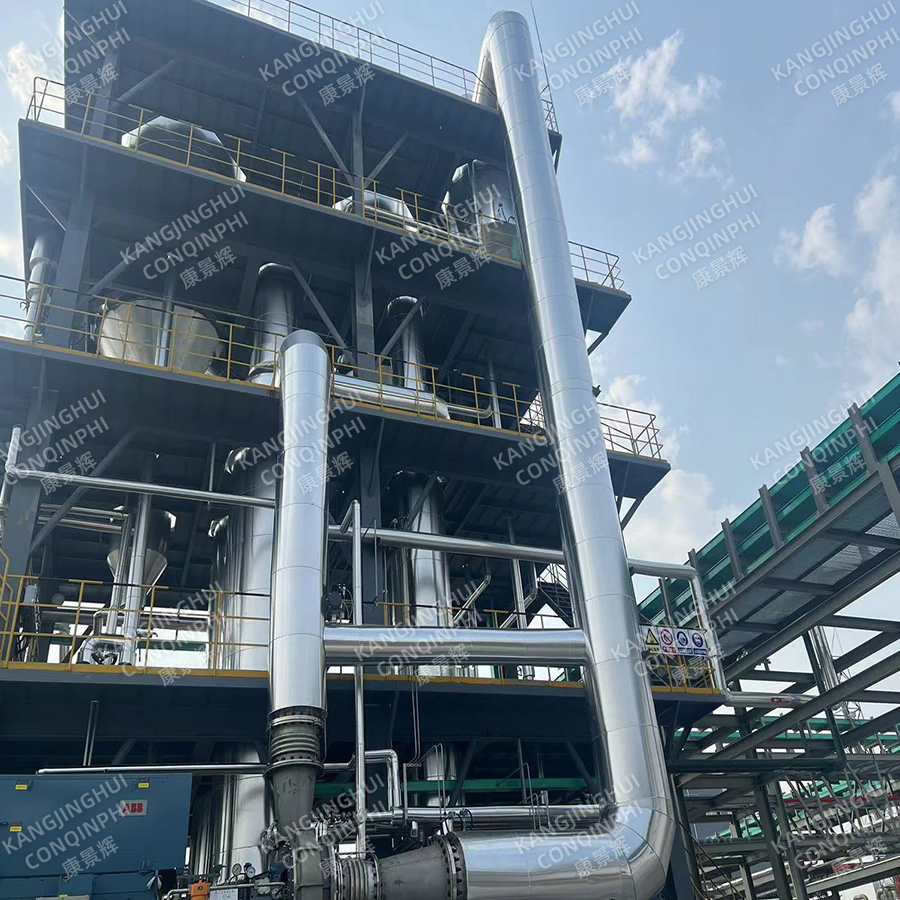
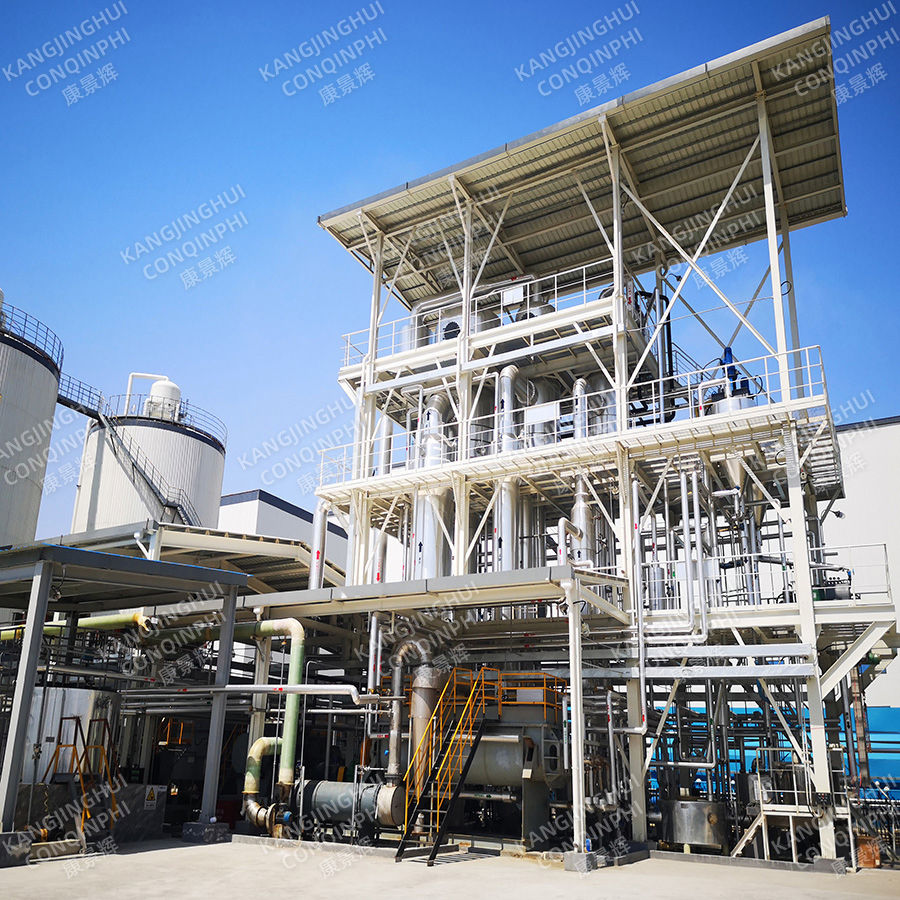
Olaprixa Industrial Olaprixa Industrial
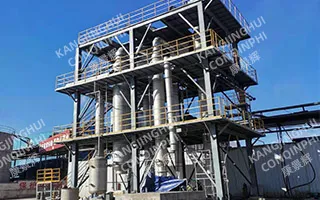
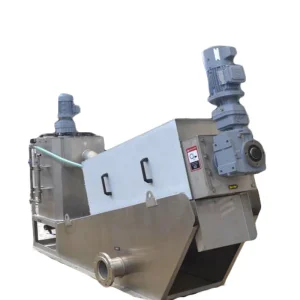
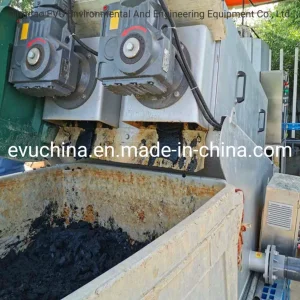
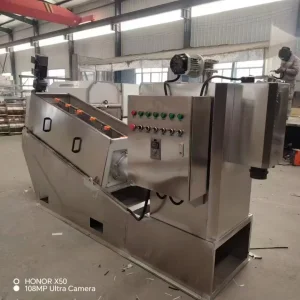
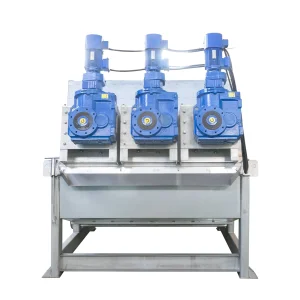
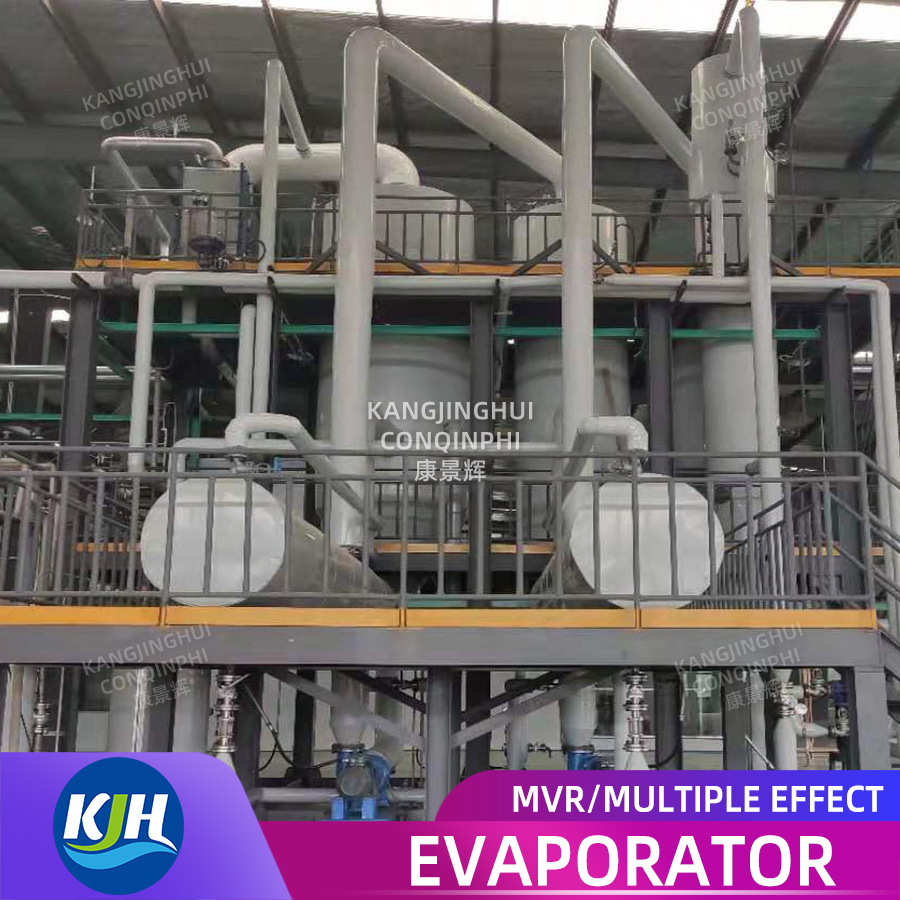
Mvr/Multi-Effect Distillation Equipment Forced Circulation Evaporation Crystallizer Sludge Dewatering Equipment

Customization: Available
After-sales Service: 7*24h
Warranty: 1year

Product Description

Basic Information
Model:
KJH-CRY-5243
Type:
Evaporation Crystallization Equipment
Method:
Combined Treatment
Material:
Titanium/Stainless/Carbon Steel
Heat Exchanger:
Tube Heat Exchanger
Power:
165kw/H
Temperature:
30-100℃
Capacity:
≥0.5t/H
Forced Circulation Evaporator
Forced circulation evaporator

A forced circulation evaporator is an evaporation device that forces material to circulate at high speed within the heated tube bundle by installing an axial flow pump in the evaporator's circulation lines.

This contrasts sharply with natural circulation evaporators, which rely on the density difference between heated and unheated materials to create natural flow. Forced circulation provides stable, controllable, and efficient flow, making it particularly suitable for processing high-viscosity, fouling-prone, crystallizing, or heat-sensitive materials.

Types of Evaporator
Type Description
Single-effect Has only one evaporation unit, resulting in higher energy consumption. Suitable for small-scale operations.
Multi-effect Connects multiple evaporators in series. The secondary steam serves as the heat source for the next cycle, significantly reducing consumption.
TVR (Heat Pump) Uses a steam jet pump to compress a portion of the secondary steam and reuse it as a heat source.
Evaporator Types Diagram
Process Flow
Process Chart
  • Forced Circulation: Driven by an axial flow pump, material enters at a high flow rate (1.5 - 3.5 m/s).
  • Heating (Non-Boiling): Material is heated but does not boil within the tubes, preventing rapid scaling.
  • Flash Evaporation: High-temperature material enters the separation chamber and instantly boils due to lower pressure.
  • Separation: Secondary steam is separated from concentrate via centrifugal force/baffles.
Applications
Application fields
Materials prone to scaling: Inorganic salt solutions like sodium chloride and sodium sulfate.
Crystallization: Solutions like ammonium chloride, ammonium nitrate, and glucose.
High-viscosity: Dyes, adhesives, and polysaccharide solutions.
Wastewater: Zero discharge systems with extremely high salt content.
Advantages and Disadvantages
Key Advantages
  • Strong anti-scaling and anti-crystallization capabilities.
  • High operational flexibility for various feed conditions.
  • Enhanced heat transfer coefficient due to high turbulence.
  • Short residence time, ideal for heat-sensitive substances.
Disadvantages
  • Higher electrical consumption due to axial flow pump operation.
  • Significant initial investment in pumps and robust piping.
  • Potential wear on pump impellers from solid particles.
System Capabilities
Equipment Overview

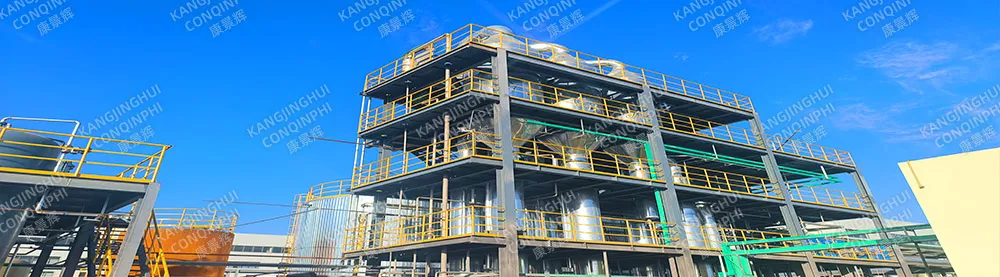
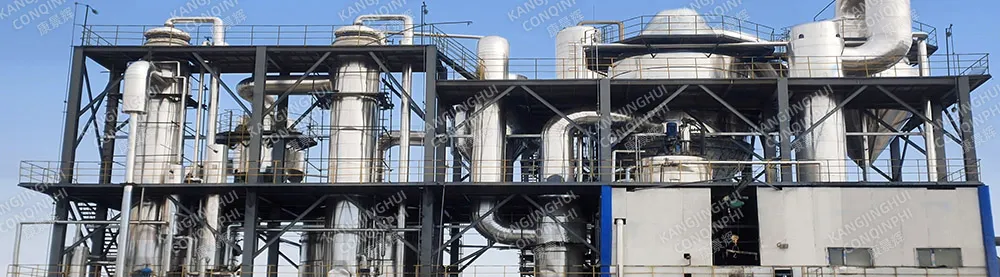
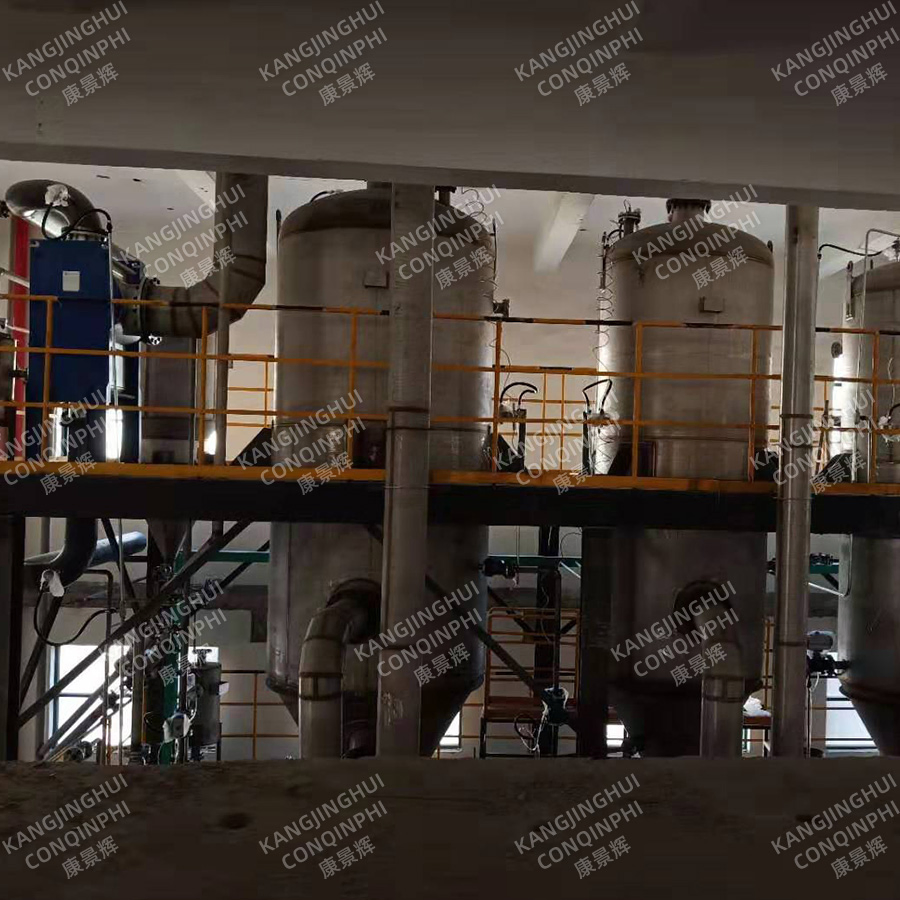
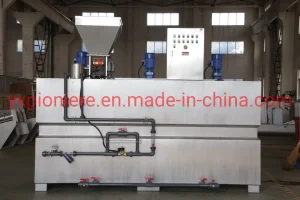
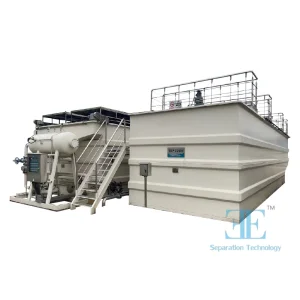
Advanced systematic equipment solutions including MVR evaporators, multi-effect evaporators, and zero-discharge industrial wastewater systems. Designed for high-COD and high-salinity wastewater treatment across industries such as petrochemical, metallurgical, pharmaceutical, and lithium battery production.
Frequently Asked Questions
Q1: What is the main benefit of forced circulation over natural circulation?
A: Forced circulation uses a pump to maintain high-speed flow, which prevents scaling and is much more effective for high-viscosity or crystallizing materials compared to natural flow systems.
Q2: Why does this equipment avoid boiling in the heating tubes?
A: By controlling system pressure to ensure non-boiling in the tubes, the system prevents localized excessive concentration and crystal adhesion that typically occurs when bubbles collapse.
Q3: What industries benefit most from this technology?
A: It is widely used in metallurgy, power plants, pharmaceuticals, and any industry requiring "zero discharge" for high-salinity wastewater.
Q4: Can this system handle heat-sensitive materials?
A: Yes, the short residence time in the heating chamber and the ability to operate at lower evaporation temperatures minimize the decomposition of sensitive substances.
Q5: Is maintenance complex for forced circulation evaporators?
A: Due to the presence of axial flow pumps and moving parts, they require more regular maintenance compared to static systems, but this is offset by their high efficiency in difficult conditions.
Q6: How does a multi-effect configuration save energy?
A: In a multi-effect setup, the secondary steam from one stage is reused as the heating source for the next stage, significantly reducing overall steam consumption.

Related Products