Olaprixa Industrial
Olaprixa Industrial
Olaprixa Industrial
Explore our core engineering catalog optimized for high-capacity solid-liquid separation and membrane filtration.
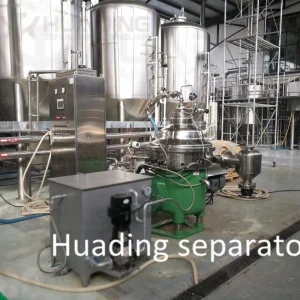
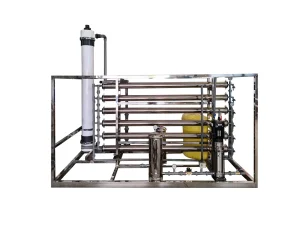
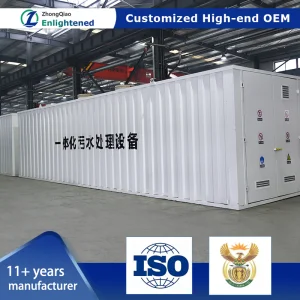
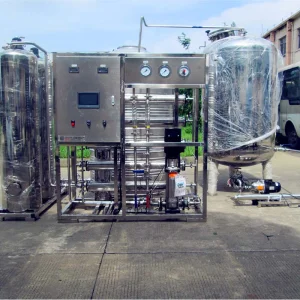
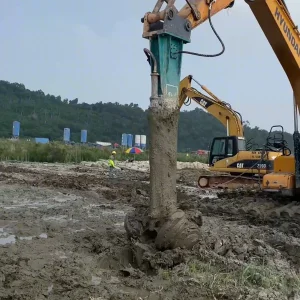
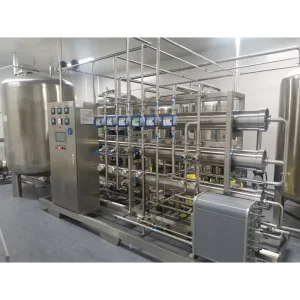
Shanghai Olaprixa Industrial Co., Ltd. is a specialized manufacturer and engineering provider focused on advanced industrial wastewater treatment solutions, integrating sludge processing systems and intelligent chemical dosing technologies. Headquartered in Shanghai, China, the company delivers efficient, reliable, and customized water treatment systems for a wide range of industries including manufacturing, chemical processing, food production, and municipal infrastructure.
Olaprixa offers a comprehensive portfolio covering wastewater treatment equipment, sludge dewatering and thickening systems, and precision chemical dosing units designed to optimize treatment performance and operational efficiency. By combining modern process engineering with automation control, the company ensures stable system operation, reduced environmental impact, and compliance with global discharge standards.
With a strong emphasis on customization, Olaprixa provides tailored water engineering solutions based on specific project requirements, from initial consultation and system design to installation guidance and after-sales technical support. Its team of experienced engineers continuously works to enhance system efficiency, reduce energy consumption, and improve resource recovery.
Committed to sustainability and innovation, Shanghai Olaprixa Industrial Co., Ltd. aims to help global clients achieve cleaner production, water reuse, and long-term environmental responsibility through smart and cost-effective treatment technologies.
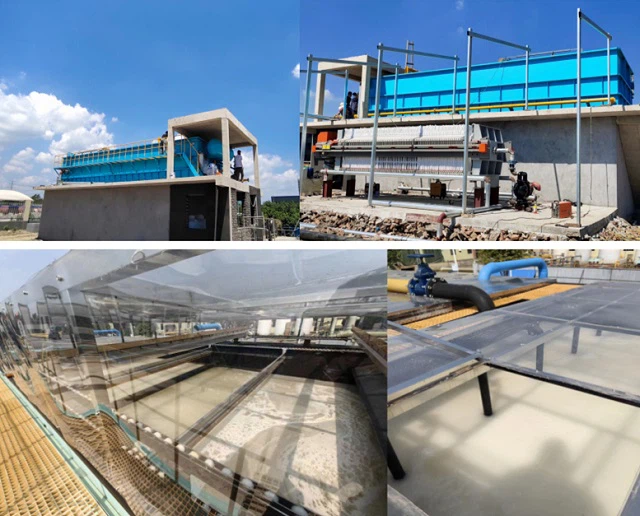
Comparing centralized infrastructures with modular, on-site decentralized ecosystems.
Traditional wastewater management models rely on massive, capital-intensive centralized plants requiring extensive piping networks. Modern industry demands agility, resilience, and immediate on-site compliance. Decentralized water treatment solutions deploy highly efficient treatment processes directly at the point of generation, reducing conveyance costs, maximizing water reuse rates, and mitigating system-wide failure risks.
Unlike massive concrete civil projects, modular systems allow enterprises to scale their capacity incrementally. Skid-mounted MBR and RO configurations can be integrated in parallel to handle expanded capacity requirements.
Decentralization eliminates the need for kilometers of deep trench piping and heavy pumping stations. On-site installation can happen within weeks rather than years, generating immediate operational savings.
On-site treatment enables targeted water reuse loops. Highly contaminated process streams can be purified and immediately returned to production, facilitating Zero Liquid Discharge (ZLD) pathways.
Engineered applications tailored for diverse operational fields and challenging environments.
Targeted removal of heavy metals, recalcitrant organics, and variable COD/BOD loads. Utilizing high-efficiency PVDF MBR and advanced RO systems to recover clean process water and reduce chemical discharge footprint.
Our large-scale 2-phase centrifuge systems and specialized dosing systems separate organic oils and solids from high-load process water, ensuring compliance with strict environmental health standards.
High-speed pulp thickening systems and sludge dewatering machinery allow mines and processing plants to recover water from tailings, minimizing tailing dam size and preventing groundwater contamination risks.
Compact seawater desalination units and decentralized MBR containers provide potable and irrigation water directly to remote communities, hotels, and maritime facilities lacking municipal grid connections.
The evolution of decentralized water processing: From smart membranes to automated chemical optimization.
The future of decentralized water treatment lies at the intersection of material science and automation. At Shanghai Olaprixa, our research and development initiatives focus on maximizing membrane longevity, minimizing chemical usage, and automating process controls. Through our current technical roadmap, we aim to address the critical operating challenges faced by field engineers worldwide.
Developing low-fouling, modified PVDF (Polyvinylidene Fluoride) hollow fiber membranes with hydrophilic surface treatments. This structure increases critical flux rates, reduces cleaning frequencies, and extends operating lifespans under aggressive organic loading conditions.
Integrating real-time sensors (turbidity, pH, conductivity, ORP) with PLC feedback loops. By automatically modulating chemical dosing rates, our systems prevent chemical waste, optimize flocculation, and reduce operator intervention requirements.
Implementing energy recovery devices (ERD) in reverse osmosis desalination systems. We aim to decrease the specific energy consumption (SEC) of sea and brackish water filtration, making decentralized potable water production economically viable even on solar micro-grids.
Transitioning from reactive maintenance to predictive health monitoring. Our digital dashboards collect operational data to predict transmembrane pressure (TMP) trends, informing operators of membrane cleaning requirements before performance drops.
Combining domestic industrial integration with strict global quality control frameworks.
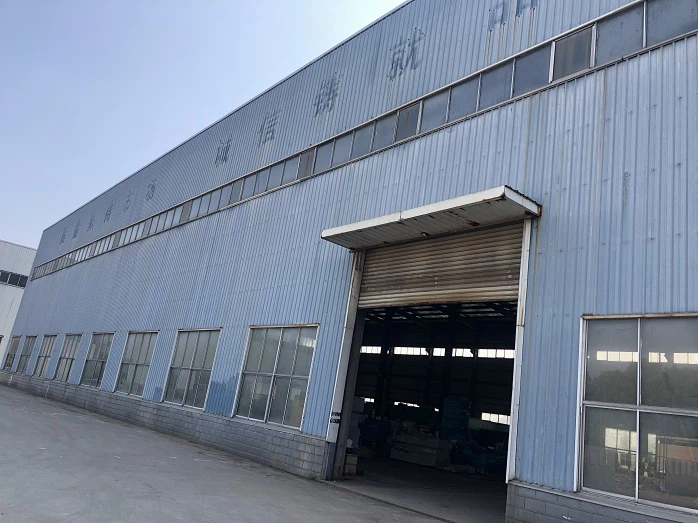
Shanghai Olaprixa’s production infrastructure is designed around the principles of Industry 4.0. Based in Shanghai’s industrial manufacturing zone, we benefit from complete local raw material and component ecosystems. From high-grade stainless steel fabrication to precision electronic PLC components, our supply chain integration minimizes delivery lead times and production costs.
Every piece of water treatment equipment, from automated dosing skids to heavy sludge dewatering screw presses, undergoes a multi-stage Quality Assurance (QA) protocol. Our manufacturing facility utilizes automated welding processes, ultrasonic testing of structural joints, and hydraulic pressure testing of all manifold networks.
This manufacturing model ensures that our customized engineering designs are built to exact tolerances, reducing on-site installation friction and guaranteeing long-term mechanical reliability in demanding field conditions.
Meeting CE directives, regional environmental standards, and delivering global engineering assistance.
Our solutions conform to European Union CE directives. This includes the Machinery Directive 2006/42/EC, the Low Voltage Directive 2014/35/EU, and the Electromagnetic Compatibility (EMC) Directive 2014/30/EU. We provide complete technical files and Declarations of Conformity.
We work closely with localized engineering firms, contractors, and local environmental agencies to guarantee that our decentralized systems meet specific regional effluent discharge criteria, including EU, EPA, and local country standards.
We provide remote video FAT (Factory Acceptance Test) services, detailed step-by-step installation manuals, 3D setup animations, and coordinate with regional technicians to support system commissioning and on-site operator training programs.
How we partner with international engineering companies and corporate procurement managers.
For international Engineering, Procurement, and Construction (EPC) firms, purchasing decentralized water treatment equipment requires balancing manufacturing costs with long-term reliability. Shanghai Olaprixa simplifies this procurement cycle by offering clear engineering support and complete documentation:
Technical details regarding operation, design parameters, and membrane maintenance protocols.
Under normal operating conditions with correct pre-filtration and maintenance, our PVDF hollow fiber membranes have a design life of 3 to 5 years. Membrane cleaning includes backwashing with filtered effluent, combined with Chemical Clean-in-Place (CIP) cycles. Typically, sodium hypochlorite is used to remove organic fouling, while citric acid or hydrochloric acid is used to dissolve inorganic scale.
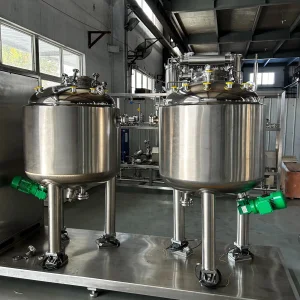
Yes. Our automatic chemical feeding and dosing systems are built around industrial PLCs (such as Siemens S7-200/1200 or compatible systems) that support Modbus RTU, Modbus TCP/IP, or Profibus protocols. This enables integration with centralized plant SCADA systems, allowing operators to monitor tank levels, pump flow rates, and dosing feedback alarms remotely.
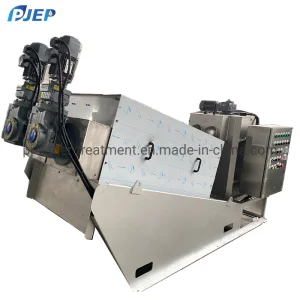
The industrial screw press dewatering system uses an integrated flocculation chamber and a variable-frequency drive (VFD) screw motor. When inlet feed concentration fluctuates, the VFD adjusts the screw rotation speed to maintain optimal internal pressure, while the chemical dosing pump adjusts flocculant dosage. This ensures stable performance and yields a dry sludge cake with minimal moisture.
For CE compliant projects, we supply a comprehensive Documentation Package including general layout drawings, electrical wiring diagrams, structural calculations, component test certificates, pressure test reports, a Declaration of Conformity, and an English O&M manual.
Explore our targeted product range for chemical management, sludge dewatering, and in-situ soil remediation.