Olaprixa Industrial
Olaprixa Industrial
Olaprixa Industrial
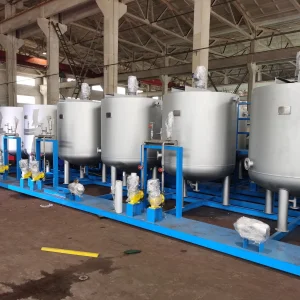
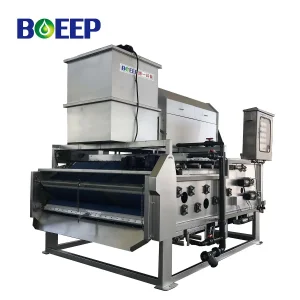
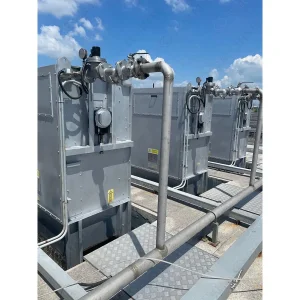
Discover our flagship industrial water engineering machinery built for heavy duty separation, chemical control, and membrane purification.
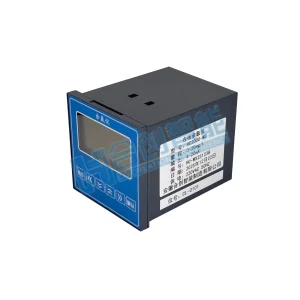
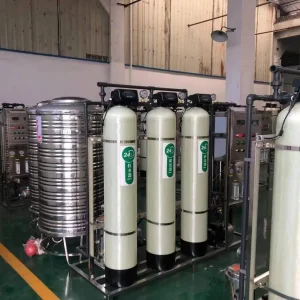
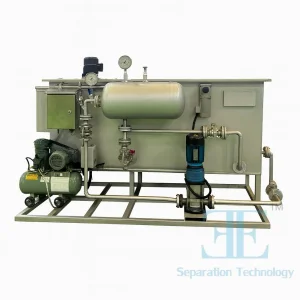
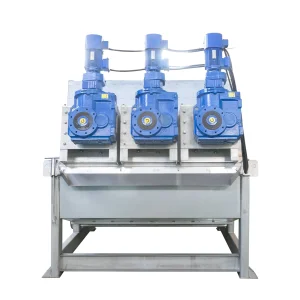
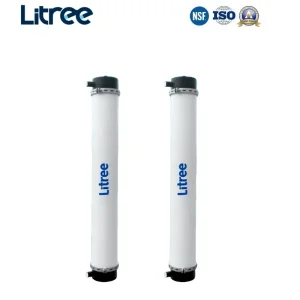
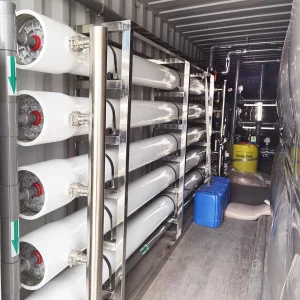
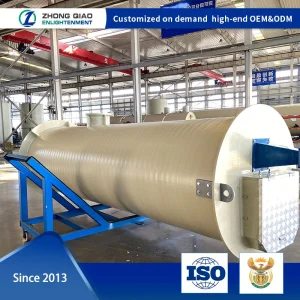
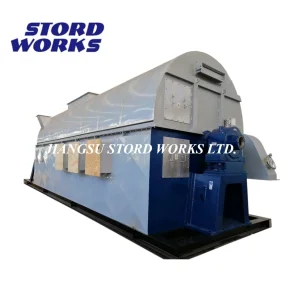
Shanghai Olaprixa Industrial Co., Ltd. is a specialized manufacturer and engineering provider focused on advanced industrial wastewater treatment solutions, integrating sludge processing systems and intelligent chemical dosing technologies. Headquartered in Shanghai, China, the company delivers efficient, reliable, and customized water treatment systems for a wide range of industries including manufacturing, chemical processing, food production, and municipal infrastructure.
Olaprixa offers a comprehensive portfolio covering wastewater treatment equipment, sludge dewatering and thickening systems, and precision chemical dosing units designed to optimize treatment performance and operational efficiency. By combining modern process engineering with automation control, the company ensures stable system operation, reduced environmental impact, and compliance with global discharge standards.
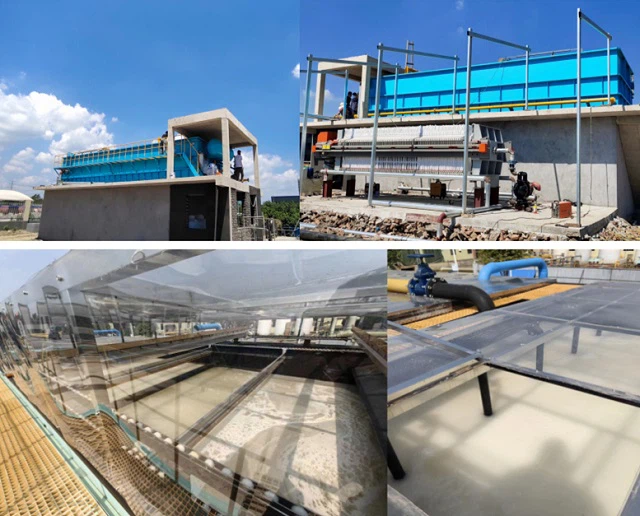
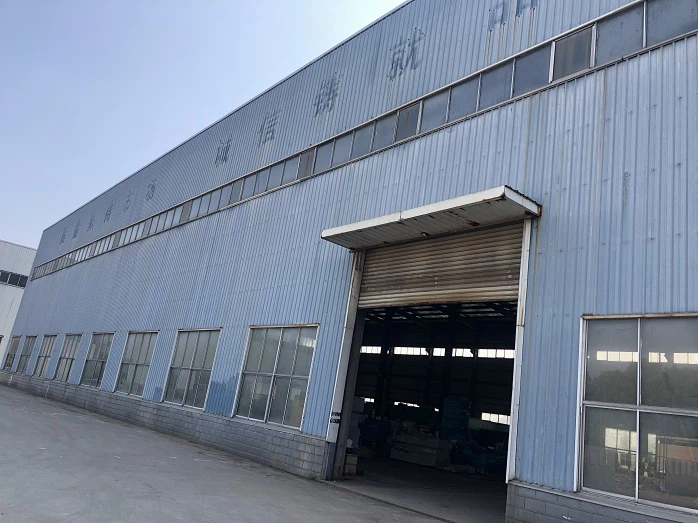
With a strong emphasis on customization, Olaprixa provides tailored water engineering solutions based on specific project requirements, from initial consultation and system design to installation guidance and after-sales technical support. Our team of experienced engineers continuously works to enhance system efficiency, reduce energy consumption, and improve resource recovery.
Committed to sustainability and innovation, Shanghai Olaprixa Industrial Co., Ltd. aims to help global clients achieve cleaner production, water reuse, and long-term environmental responsibility through smart and cost-effective treatment technologies. Through our specialized OEM/ODM electrodialysis (ED/EDR) program, we assist global OEMs, engineering consultancies, and end-users in deploying cutting-edge membrane separation units designed for high-salinity and complex industrial effluent.
Why international process engineers and environmental EPC contractors are choosing Electrodialysis over traditional membrane systems.
In the wake of strict global Zero Liquid Discharge (ZLD) regulations and growing water scarcity, industrial enterprises face the challenge of treating highly mineralized wastewater. Traditional separation processes, such as Reverse Osmosis (RO), hit physical limits when salinity (Total Dissolved Solids) exceeds 50,000 mg/L due to excessive osmotic pressures. This is where Electrodialysis (ED) and Electrodialysis Reversal (EDR) show their distinct engineering advantages.
Global procurement offices in regions like North America, Europe, the Middle East, and Southeast Asia are increasingly procuring ED/EDR systems to treat cooling tower blowdown, oilfield produced water, lithium-rich brines, and chemical process streams. By choosing electro-driven separation rather than pressure-driven separation, operators can concentrate salts to extremely high levels without facing the membrane compaction and rapid fouling issues common to high-pressure RO systems.
Our electrodialysis stacks are designed for durability, ease of maintenance, and high ion transfer rates. We offer full OEM and ODM services to integrate electrodialysis packages into existing treatment trains or scale new separation processes from lab benchmarks to industrial operations.
Selection of homogeneous or heterogeneous anion and cation exchange membranes. Tailored selectivities for monovalent ions (e.g., Cl-, Na+) or multivalent separations depending on downstream target crystallization goals.
Custom thickness flow spacers (from 0.5mm to 1.5mm) configured to minimize fluid resistance, optimize flow velocity, prevent polarization, and adapt to high suspended solids in the feed stream.
Precision DC power rectifiers combined with PLC/SCADA control networks. Supports automated current reversal (EDR) protocols to flush deposits from membrane surfaces, extending cleaning cycles.
Implementing electrodialysis within complex process schemes to reduce chemical consumption, maximize resource loop recovery, and decrease energy usage.
In conventional wastewater plants, evaporators like MVR (Mechanical Vapor Recompression) are used to crystallize salts. However, evaporators are highly capital intensive. Olaprixa's EDR solutions concentrate brine from 30,000 mg/L up to 150,000–200,000 mg/L TDS prior to the crystallizer. This step reduces the volumetric sizing of down-stream thermal crystallizers by up to 80%, lowering overall CAPEX and OPEX.
Using monovalent-selective ion-exchange membranes, our ED systems separate monovalent salts (like sodium chloride) from divalent salts (like calcium sulfate or magnesium carbonate). This enables recovery of pure table salt/chlor-alkali feedstocks from mixed waste brines while mitigating scaling hazards in downstream systems.
By utilizing bipolar membranes, water molecules are split into H+ and OH- ions. Combined with anion and cation salt-splitting, waste salts (like Na2SO4 or NaCl) are converted directly into clean acids (H2SO4, HCl) and bases (NaOH). This allows plants to regenerate their own chemical cleaning reagents on-site, producing a circular chemical economy.
Our vision for the next generation of electrochemical separation technology.
Improving membrane packing density per cubic meter of footprint. Reducing overall stack resistance through thin-film homogeneous membranes to lower specific energy consumption below 0.8 kWh/kg of salt removed.
Deploying hydrophilic coatings on turbulence-promoting spacers to discourage biofilms and organic matter accumulation. This reduces CIP (Clean-In-Place) frequency in organic-rich municipal/pharmaceutical effluents.
Integrating AI algorithms with variable-frequency DC power rectifiers. By monitoring feed water chemistry variations in real-time, the system automatically adjusts stack current density to prevent polarization limits.
Shanghai Olaprixa Industrial Co., Ltd. operates with global execution standards. We understand that international industrial equipment must fit regional directives. All of our electrodialysis and associated water treatment systems are manufactured in compliance with international certifications including CE (Conformité Européenne), ISO 9001 quality management systems, and industry-specific standards for pressure vessel construction and electrical design.
For global engineering consultants and EPC partners, we provide comprehensive project documentation, including P&ID diagrams, general arrangement drawings, electrical schematics, and factory acceptance testing (FAT) protocols. Our localization services include coordinating on-site commissioning technicians and engineering remote-support solutions to troubleshoot installation phases quickly.
Get answers to the most common engineering and procurement questions regarding industrial electrodialysis applications.
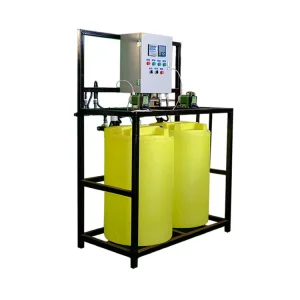
Browse our chemical dosing, pre-filtration, and dewatering equipment designed to work in synergy with membrane desalination packages.