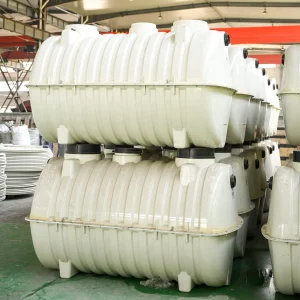
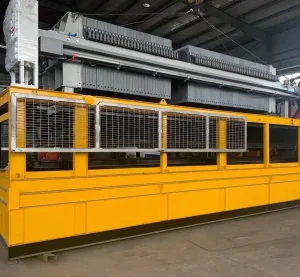
Olaprixa Industrial
Olaprixa Industrial
Olaprixa Industrial
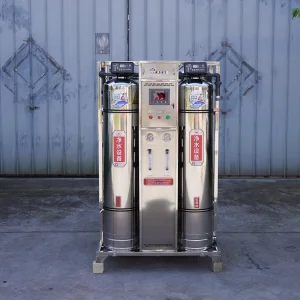
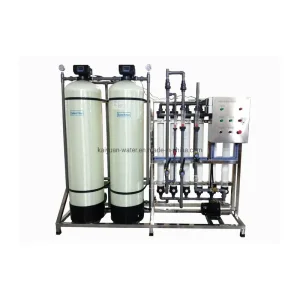
Explore engineered membrane filtration units, precision dosing solutions, and high-recovery water purification equipment manufactured to international ISO and ASME standards.
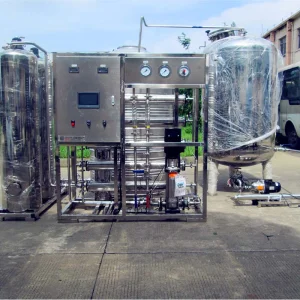
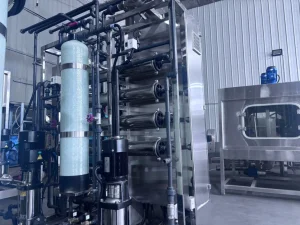
Establishing technical leadership in industrial wastewater transformation, zero-discharge mechanics, and localized membrane module manufacturing.
Shanghai Olaprixa Industrial Co., Ltd. stands as a specialized manufacturer and premier process engineering provider focused on advanced industrial wastewater treatment solutions, integrating high-pressure membrane separation (HPRO/DTRO/STRO), sludge processing systems, and intelligent chemical dosing technologies. Headquartered in Shanghai, China, the company delivers efficient, highly reliable, and customized water treatment platforms for demanding industrial applications worldwide, including chemical synthesis, pharmaceuticals, food & beverage processing, power plants, and municipal infrastructure.
By combining modern cross-flow fluid dynamics, high-pressure polymeric engineering, and advanced SCADA-driven automation control, Shanghai Olaprixa ensures stable system operation under extreme osmotic pressures (ranging from 70 bar to over 160 bar). The company's engineered systems significantly reduce operational expenditures (OpEx), mitigate environmental compliance risks, and empower global manufacturing facilities to achieve Zero Liquid Discharge (ZLD) and Minimal Liquid Discharge (MLD) targets.
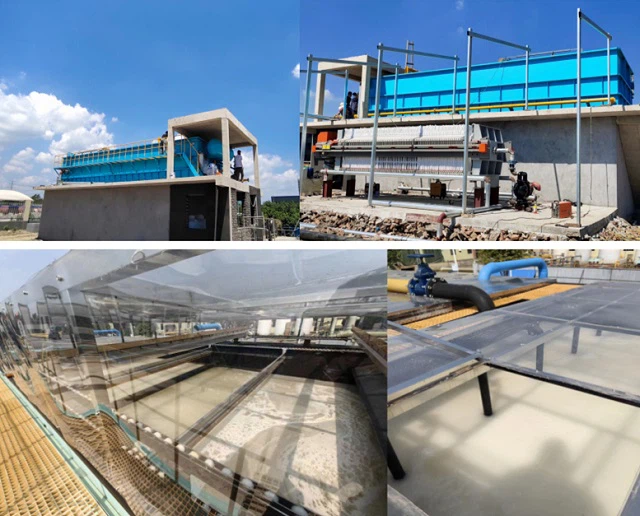
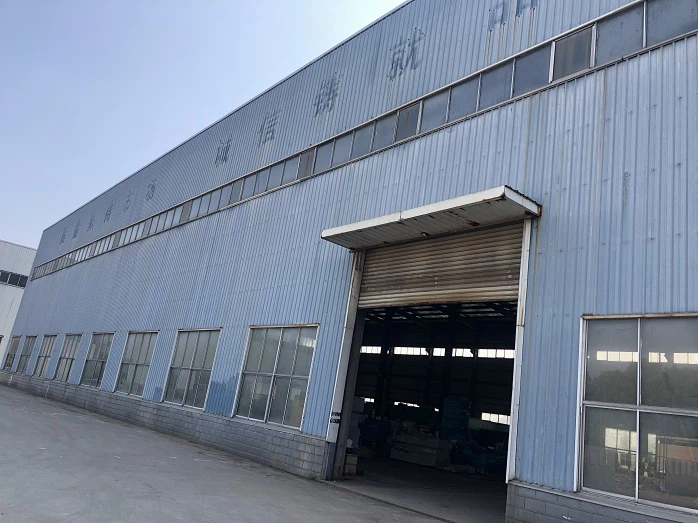
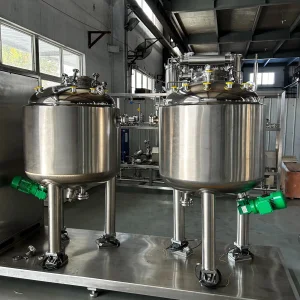
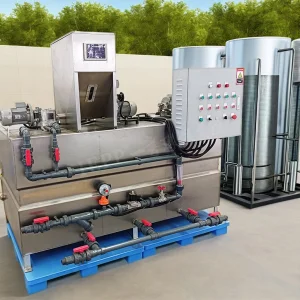
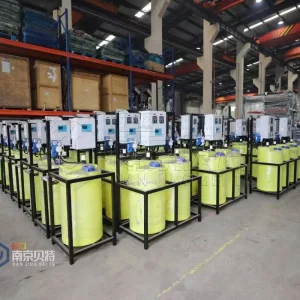
Olaprixa offers a comprehensive portfolio covering advanced wastewater treatment equipment, high-pressure RO modules, sludge dewatering and thickening systems, and precision chemical dosing units designed to optimize treatment performance and operational longevity. With a dedicated team of hydraulic engineers, membrane chemists, and automation specialists, Olaprixa provides tailored water engineering solutions based on project-specific influent matrices—from initial feasibility consultation and computational pilot modeling to turnkey modular skid manufacturing, site commissioning, and lifetime technical support.
Committed to global sustainability, energy conservation, and technical innovation, Shanghai Olaprixa Industrial Co., Ltd. acts as a strategic manufacturing partner for EPC contractors, plant owners, and municipal utilities seeking high-efficiency, cost-effective water reuse solutions.
Understanding the fluid mechanics, thermodynamic limits, and polymer physics underlying high-pressure reverse osmosis systems manufactured in China.
DTRO modules utilize open-channel hydraulic geometry with octagonal disc spacers and cushion membranes. Designed specifically for high-turbidity, high-COD feeds such as landfill leachate and chemical brine, DTRO minimizes feed channel blockage and boundary layer concentration polarization. Operating up to 120–160 bar, it achieves concentration ratios that previously required expensive thermal evaporators.
STRO technology employs modified spiral-wound elements featuring open, mesh-free feed spacers (typically 45–90 mil thickness). This open design reduces hydraulic friction losses, suppresses scale precipitation, and allows periodic high-velocity hydraulic flushing. STRO serves as an ideal intermediate step between standard RO and ultra-high-pressure DTRO circuits.
Utilizing reinforced polyamide thin-film composite (TFC) chemistry coupled with high-tensile fiberglass outer wrapping, UHPRO modules operate effectively up to 120–150 bar. The specialized chemistry maintains high monovalent and divalent ion selectivity even under extreme hydrostatic compaction pressure over long operational lifecycles.
| Parameter / Metric | Standard Spiral RO | High-Pressure RO (HPRO) | Spacer Tube RO (STRO) | Disc Tube RO (DTRO) |
|---|---|---|---|---|
| Max Operating Pressure | 40 - 70 bar | 70 - 120 bar | 80 - 120 bar | 90 - 160+ bar |
| Max Feed TDS Limit | 35,000 mg/L | 75,000 mg/L | 90,000 mg/L | 160,000 mg/L |
| Feed Channel Tolerance | Low (28-34 mil) | Moderate (34 mil) | High (45-90 mil Open Mesh) | Extreme (Open Disc Channel) |
| Tolerable Feed SDI15 | < 5.0 | < 4.0 | < 7.0 | < 15.0 (High Suspended Solids) |
| CIP Cleaning Frequency | Every 3-6 Months | Every 1-2 Months | Every 2-4 Weeks | Automated / Weekly Flush |
| Primary Target Application | Brackish/Seawater Desalination | Brine Concentration / MLD | Textile & Industrial Reuse | Landfill Leachate & ZLD Brine |
Analyzing regional regulations, industrial effluent profiles, and adoption drivers for high-pressure separation systems across global markets.
Strict environmental compliance directives (such as EPA NPDES and EU Water Framework Directive) mandate stringent heavy metal, PFOA/PFAS, and nitrogen discharge limits. High-pressure membrane systems serve as the core dewatering stage prior to crystallizers, lowering the carbon footprint and electrical energy draw of Zero Liquid Discharge (ZLD) plants.
Facing severe freshwater scarcity, MENA industrial parks prioritize Seawater Reverse Osmosis (SWRO) combined with high-pressure brine concentration. High-pressure RO systems extract additional permeate from seawater desalination reject streams, pushing system recoveries from standard 45% levels up to 65–70%.
Rapid industrial expansion in chemical manufacturing, mining operations, and electronics fabrication demands scalable water reclamation plants. Chinese OEMs provide turnkey, skid-mounted high-pressure membrane systems that balance rapid delivery timelines with lower capital expenditure (CapEx) compared to traditional European suppliers.
Why leading global EPCs source high-pressure membrane equipment and skid assemblies from China’s mature industrial clusters.
China’s dominance in high-pressure membrane system manufacturing stems from a vertically integrated industrial supply chain. From raw material synth-polymers and precision titanium/super-duplex stainless steel machining to automated element rolling and PLC integration, Chinese engineering clusters (located predominantly in Shanghai, Jiangsu, Zhejiang, and Shandong) offer unparalleled scale and speed.
Direct access to high-purity polysulfone (PSf) substrates, polyamide layers, and high-strength fiberglass casing eliminates multi-tier supplier markups and reduces component lead times by 50%.
Local manufacturing of high-pressure pumps, Energy Recovery Devices (ERD), and Super Duplex 2507/Duplex 2205 high-pressure piping ensures pressure-vessel integrity under continuous 160 bar stress.
Factory Acceptance Testing (FAT) rigs equipped with multi-stage computerized hydraulic testing verify membrane burst pressures, salt passage rates, and flux stability prior to global dispatch.
Cost efficiencies achieved through streamlined assembly allow project developers to optimize initial capital expenditure while maintaining rigorous ISO and CE compliance standards.
Detailed field implementation studies demonstrating high-pressure membrane performance across hostile process streams.
Landfill leachate contains high concentrations of recalcitrant organics, bio-refractory humic compounds, and ammonium salts. Standard biological treatment fails to meet modern discharge limits. A two-stage DTRO system operating at 90 bar and 120 bar achieves a clean permeate recovery of over 85%, returning purified water directly to municipal reuse while reducing concentrate volume for economical thermal evaporation.
Coal-to-chemical plants yield complex saline effluents laden with nitrates, chlorides, and organics. By utilizing STRO and High-Pressure RO units post-softening, the TDS of the brine is elevated from 30,000 mg/L to 130,000 mg/L. This pre-concentration step cuts thermal crystallizer energy consumption by up to 60%.
Acid mine drainage (AMD) and metallurgical wash waters contain severe sulfate burdens and dissolved heavy metals (copper, zinc, nickel). Specialized high-pressure membranes configured with automated pH management systems continuously reclaim process water while producing a dense sulfate concentrate ideal for resource recovery.
Charting the next generation of membrane chemistry, digital twin predictive operational control, and hybrid mechanical design.
Integration of bio-inspired aquaporin channels and functionalized graphene oxide coatings into high-pressure thin-film composites. These advance water permeability by 30% while retaining superior salt rejection under pressures up to 140 bar.
Embedded smart sensors combined with cloud-based machine learning models continuously analyze feed pressure differentials, temperature gradients, and osmotic pressure shifts to dynamically optimize antiscalant dosing and automate Clean-In-Place (CIP) triggers before foulant baking occurs.
Development of silicon carbide (SiC) and alumina-based high-pressure inorganic membrane structures capable of exceeding 200 bar operating limits. These systems will tolerate extreme solvents, extreme pH swings (0-14), and operating temperatures over 80°C.
Ensuring international engineering compliance, rigorous safety testing, and seamless field installation.
Executing successful cross-border membrane projects requires strict compliance with international manufacturing and safety codes. Shanghai Olaprixa Industrial Co., Ltd. enforces an end-to-end Quality Management System (QMS) certified under ISO 9001:2015, ISO 14001:2015, and ISO 45001:2018. Pressure vessels, skid frames, and high-pressure piping assemblies comply fully with ASME Section VIII, CE Pressure Equipment Directive (PED 2014/68/EU), and ATEX guidelines for hazardous chemical environments.
Every unit undergoes comprehensive Factory Acceptance Testing (FAT) in Shanghai, including hydrostatic pressure testing at 1.5x working pressure, electrical insulation checks, and automation loop verification prior to export containerization.
Olaprixa provides localized engineering dispatch services, site commissioning guidance, supervisory assistance, and comprehensive training programs for operational staff to ensure flawless plant handovers.
Integrated IoT edge gateways enable 24/7 remote diagnostic monitoring. Olaprixa’s centralized engineering hub in Shanghai offers operational assistance, membrane fouling troubleshooting, and spare parts dispatch worldwide.
Addressing essential technical, operational, and procurement queries for high-pressure membrane installations.
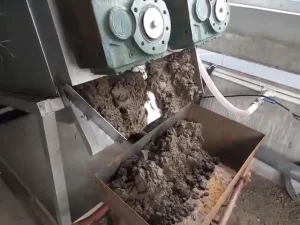
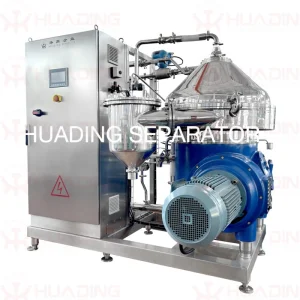
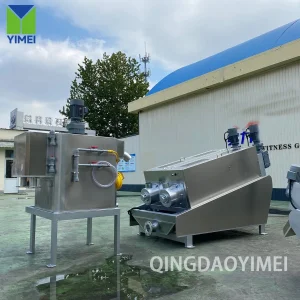
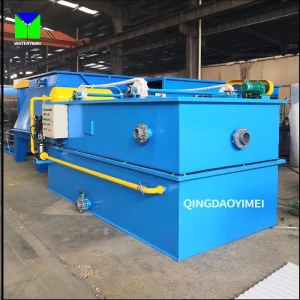
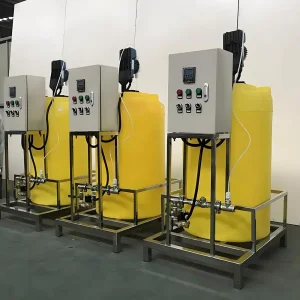
Complete your plant design with integrated sludge dewatering, DAF flotation units, ultrafiltration membranes, and specialized mixing hardware.