Olaprixa Industrial
Olaprixa Industrial
Olaprixa Industrial
Engineered systems designed to optimize industrial manufacturing loops and raw water preparation.
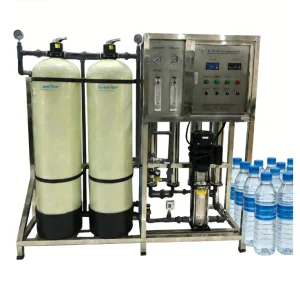
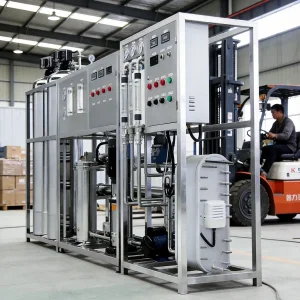
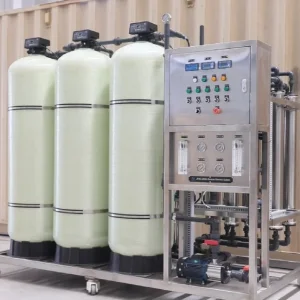
In the contemporary industrial landscape, water is no longer viewed merely as a utility but as a critical strategic asset. Rapid urbanization, accelerating industrialization, and tightening environmental mandates have transformed how factories design and operate their Process Water Management Systems. Across primary processing sectors—ranging from mining and metallurgical refinery plants to high-precision pharmaceutical laboratories and food production facilities—achieving high levels of purity, system reliability, and environmental compliance is crucial.
Statistically, industrial activities consume approximately 19% of global freshwater withdrawals, a figure projected to rise substantially unless advanced reuse infrastructure is integrated. Consequently, manufacturing entities face a double-edged pressure: securing high-quality feed water for complex processing systems (such as high-pressure boilers and ultrapure microelectronics fabrication) while mitigating the footprint of hazardous effluent discharge. Modern process water engineering focuses heavily on circular loops, converting raw feed water into specified purities and processing waste streams into recyclable resources or inert solids.
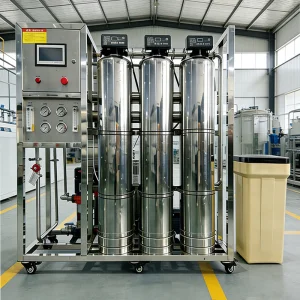
Utilizing high-flux membrane modules and high-rejection Reverse Osmosis (RO) systems to produce drinking-grade and process-grade mineral water. These setups strip heavy metals, dissolved solids, and microbial components, producing stable purities up to 98% salt rejection for direct industrial feed.
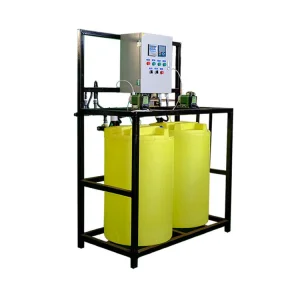
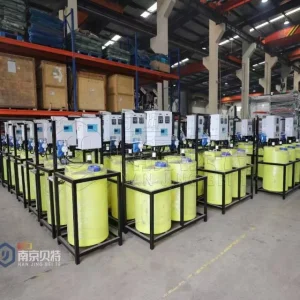
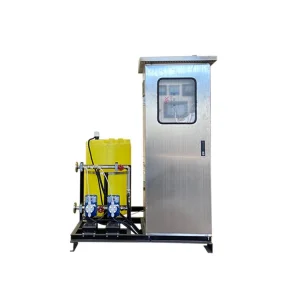
Precision control units developed to prevent scaling, bio-fouling, and acid corrosion. Implementing pH tracking systems and intelligent powder polymer preparation ensures that chemical concentrations remain at optimal levels in boiler loops and cooling systems.
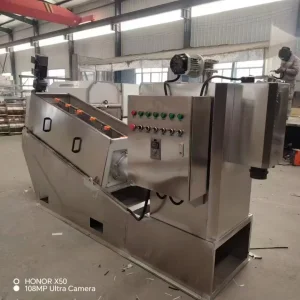
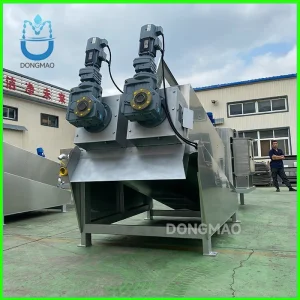
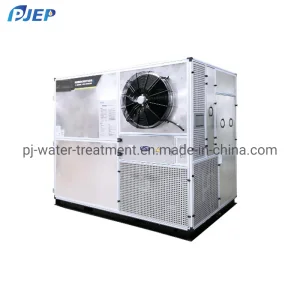
Converting unstable liquid slurries into structured, low-moisture solids. By deploying automated screw press technologies and low-temperature heat-pump dryers, factories achieve major volume reductions and meet dry disposal compliance.
The technological trajectory of industrial process water treatment is shifting toward closed-loop autonomous networks. Advanced sensors combined with edge-computing dosing systems analyze water characteristics in real-time, executing micro-adjustments to polymer delivery and pH neutralizers. This minimizes manual calibration errors and chemical consumption.
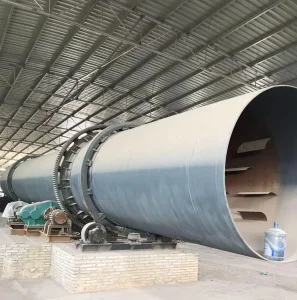
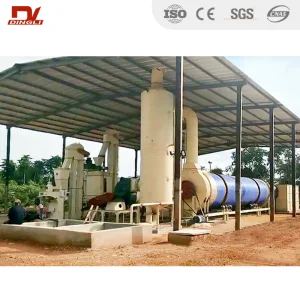
In the sludge processing sphere, traditional, energy-intensive drum dryers are being replaced by highly efficient, multi-stage heat pump drying equipment. These advanced systems operate under thermodynamic refrigeration cycles to reclaim latent heat, achieving dry cake solids exceeding 70% while reducing thermal energy use by up to 50%. This technological shift aligns with global carbon-reduction and corporate environmental goals.
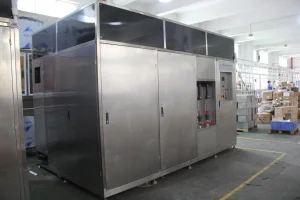
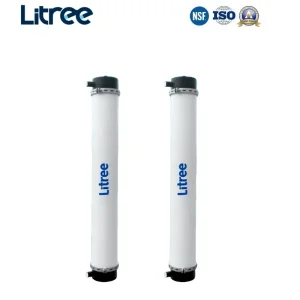
For areas with high humidity and decentralized water distribution, all-in-one UF purifiers provide high-capacity treatment without requiring extensive, centralized infrastructure. This offers a reliable supply of potable water and processing inputs for local manufacturers.
Stricter disposal fees and zero-discharge policies drive the adoption of high-efficiency dewatering technologies, including multi-disc screw presses and heat pump dryers. These systems convert heavy industrial effluent into clean, recyclable water and dry, transportable solids.
In high-throughput mining operations and thermal power generation, large-scale mud solidification systems and specialized drum dryers process heavy mineral tailings and flue gas desulfurization slurries, stabilizing them for safe disposal.
Advanced Engineering, Reliable Systems, and Sustainable Global Operations
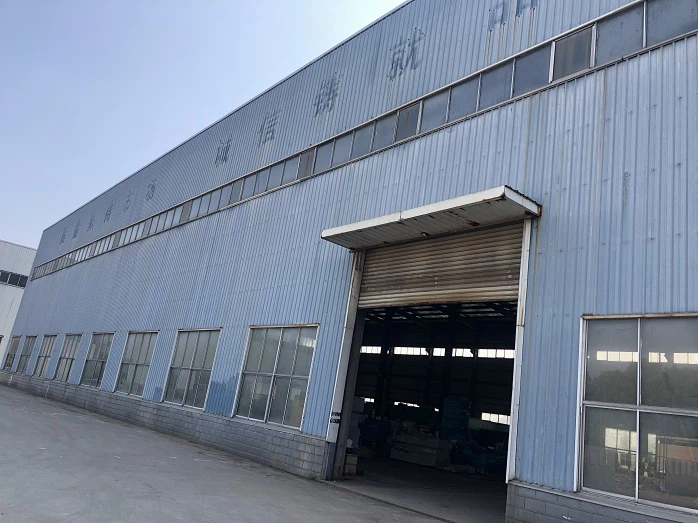
Shanghai Olaprixa Industrial Co., Ltd. is a specialized manufacturer and engineering provider focused on advanced industrial wastewater treatment solutions, integrating sludge processing systems and intelligent chemical dosing technologies. Headquartered in Shanghai, China, the company delivers efficient, reliable, and customized water treatment systems for a wide range of industries including manufacturing, chemical processing, food production, and municipal infrastructure.
Olaprixa offers a comprehensive portfolio covering wastewater treatment equipment, sludge dewatering and thickening systems, and precision chemical dosing units designed to optimize treatment performance and operational efficiency. By combining modern process engineering with automation control, the company ensures stable system operation, reduced environmental impact, and compliance with global discharge standards.
With a strong emphasis on customization, Olaprixa provides tailored water engineering solutions based on specific project requirements, from initial consultation and system design to installation guidance and after-sales technical support. Its team of experienced engineers continuously works to enhance system efficiency, reduce energy consumption, and improve resource recovery.
Committed to sustainability and innovation, Shanghai Olaprixa Industrial Co., Ltd. aims to help global clients achieve cleaner production, water reuse, and long-term environmental responsibility through smart and cost-effective treatment technologies.
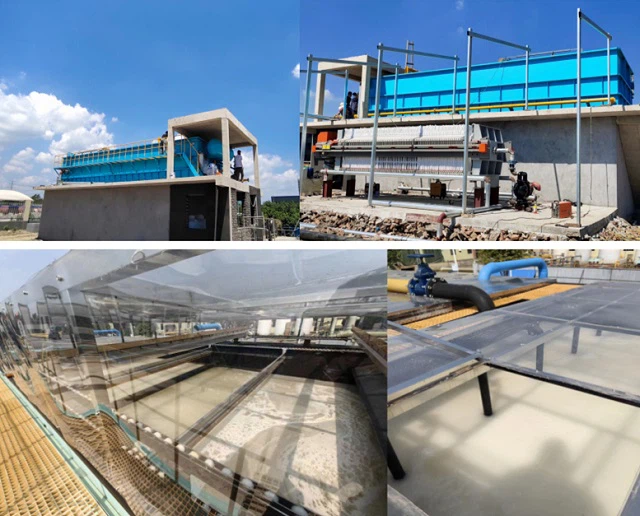
Answering key technical questions from engineers and procurement teams.
High-durability equipment designed to optimize processing efficiency and water recovery.