Olaprixa Industrial
Olaprixa Industrial
Olaprixa Industrial
Explore our top-tier core systems customized for high-flow precipitation, industrial effluent processing, and precise chemical separation.
Modern industrialization and rapid urbanization demand a radical shift in how we approach stormwater runoff and industrial liquid discharge. Traditional gravity-fed municipal sewers are no longer sufficient to handle the peak hydraulic shocks, heavy metallic residues, suspended solids (TSS), and hydrocarbon fractions washed off impermeable concrete yards and industrial perimeters. High-efficiency Custom OEM Stormwater Management Systems stand as the frontline defense, safeguarding ecosystems and ensuring compliance with stringent global regulatory mandates such as the US EPA Clean Water Act and European EN 858 standards.
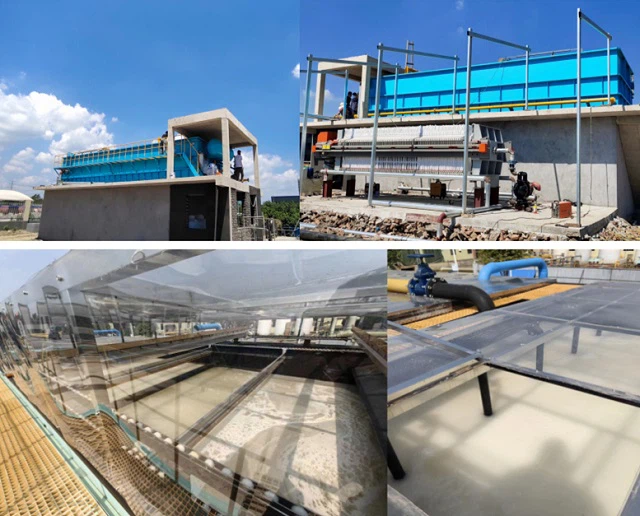
As a master-class engineering provider, Shanghai Olaprixa Industrial Co., Ltd. specializes in executing customized water treatment plants, integrating state-of-the-art solid-liquid separation, membrane filtration, automated chemical dosing, and mechanical sludge dewatering machinery. Headquartered in Shanghai, China, we configure modular systems engineered specifically for the harsh dynamics of storm runoff and complex municipal wastewater challenges.
Understanding macro-environmental regulations, climate dynamics, and technological adaptations shifting the stormwater economy.
Municipalities worldwide are imposing heavy penalties on illicit discharge. Systems must integrate oil-grit separators, sediment interceptors, and high-rate clarifiers to meet strict local limits before sewer discharge.
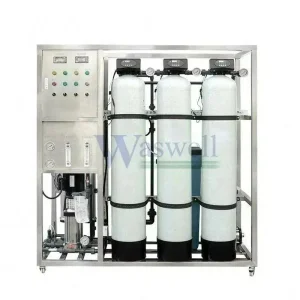
Decentralized water systems are vital. Integrating detention basins with microfiltration, ultrafiltration (UF), and sand filters transforms sudden storm flows into reusable gray water for utilities.
Modern plants favor low-energy pneumatic, gravity-assisted flow lines, and variable frequency drive (VFD) pumps paired with PLC controls to handle hydraulic surges without overloading grids.
Industrial parks, logistics hubs, and petroleum distribution warehouses present the highest risk profiles. Rainwater sweeping across these areas carries a hazardous load of free petroleum hydrocarbons, heavy metals (copper, zinc, lead), and high concentrations of suspended solids. To address this, current infrastructure systems leverage a multi-stage approach: combining preliminary grit interception, secondary oil-water separation via Dissolved Air Flotation (DAF), chemical coagulation/flocculation using automated dosing blocks, and finishing tertiary membrane filtration (UF/RO) to guarantee zero-liquid discharge (ZLD) or safe discharge compliance.
How Shanghai Olaprixa Industrial Co., Ltd. configures standard environmental machinery to meet heavy-duty hydraulic stormwater demands.
| Core Technology Module | Engineering Application in Stormwater / Runoff | Key Parameters & Customization Options |
|---|---|---|
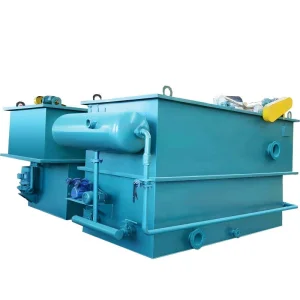
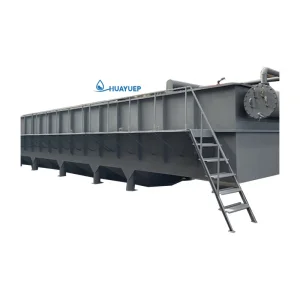
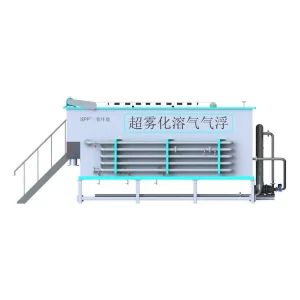
| Dissolved Air Flotation (DAF) | Separation of emulsified oils, greases, and light-density suspended silts from initial rain runoffs. | SS removal up to 98%, hydraulic capacities from 5 to 500 m³/h, custom food-grade SUS304 or corrosion-resistant duplex steel chambers. |
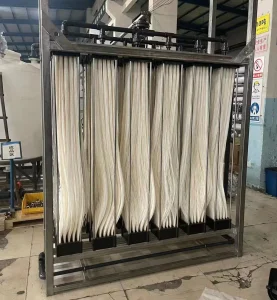
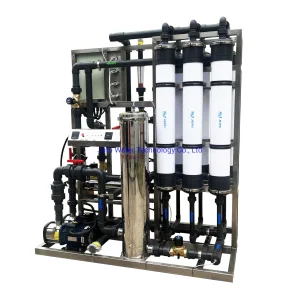
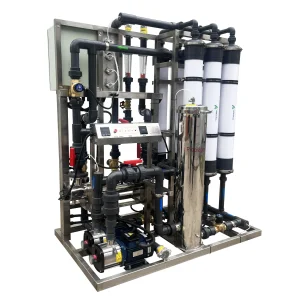
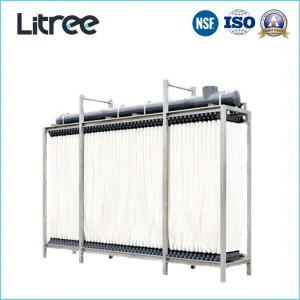
| Ultrafiltration (UF/MBR) Systems | Advanced barrier filtration to remove pathogenic bacteria, colloidal silica, and microscopic run-off contaminants for water reclamation. | PVDF/PES hollow-fiber membranes, 0.01 to 0.1 micron pore rating, automated backwash cycles, chemical-enhanced cleaning (CIP) compatibility. |
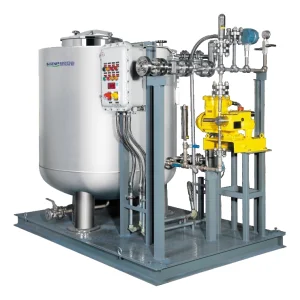
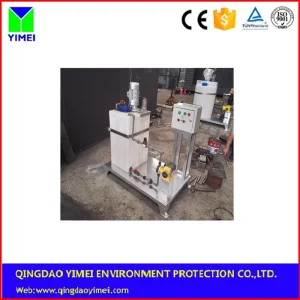
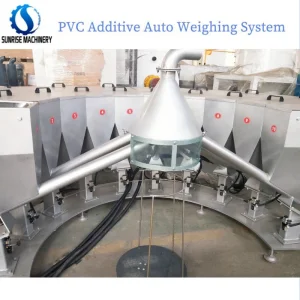
| Automatic Chemical Dosing | In-line neutralization, coagulation (PAC), and flocculation (PAM) based on sudden turbidity and flow fluctuations. | Multi-channel chemical preparation, PLC smart control integration, corrosion-proof PVDF piping, metering pumps with automatic stroke adjustments. |
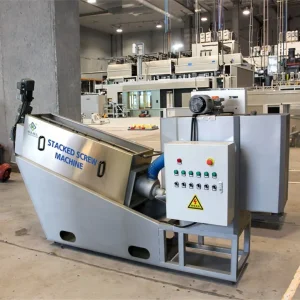
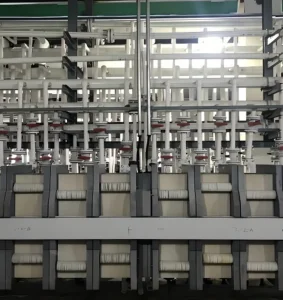
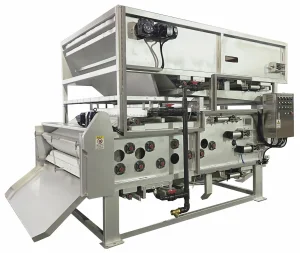
| Sludge Dewatering & Drying | Volumetric reduction of high-density silt, sediments, and organic flocculated sludge swept from catchment reservoirs. | Multi-plate screw presses, continuous operation, low energy consumption, dry solid content up to 25-40% depending on sludge profile. |
Because no two storm basins share the same hydraulic curves, geographical rainfall intensity profiles, or chemistry, a pre-fabricated "one-size-fits-all" solution is bound to fail. Shanghai Olaprixa Industrial Co., Ltd. builds customized, highly configurable wastewater treatment frameworks. Our OEM engineering services span:
Deploying robust water treatment technologies across diverse global climates and strict industrial sectors.
Integrating urban retention ponds with high-rate automated dosing systems and UF membrane blocks to convert storm surges into irrigation-grade municipal waters.
Treating heavy oil runoff from vehicle washing, fuel depots, and high-traffic loading areas using high-capacity DAF separators and specialized coalescence systems.
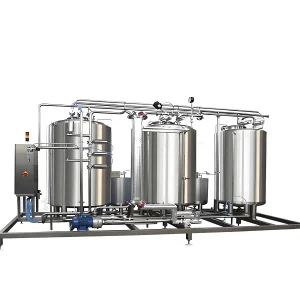
Pairing advanced Clean-In-Place (CIP) wastewater with general storm runoff recycling loops, utilizing UF/UV sanitation technologies to comply with strict FDA and local hygiene norms.
As we look toward 2030, the stormwater treatment segment is evolving from simple mechanical containment to smart, AI-driven process optimization. The technology roadmap for Shanghai Olaprixa highlights deep investments in low-carbon water reclamation. Future projects will incorporate smart dosing systems that dynamically regulate chemical polymer inputs using machine learning algorithms. By monitoring upstream rainfall gauges and real-time intake sensors, these systems prevent excess chemical usage, reducing sludge volumes by up to 30% and significantly lowering global operational expenditures (OPEX).
Technical insights, operations, maintenance, and sourcing guidance for custom OEM systems.
Discover our chemical dosing, membrane separation, and sludge-handling technologies designed to resolve industrial process and runoff bottlenecks.