Olaprixa Industrial
Olaprixa Industrial
Olaprixa Industrial
High-performance solutions designed for North Sea environmental standards.
The Netherlands is globally recognized as a pioneer in water management. With over 25% of its land below sea level, the Dutch have developed an unparalleled expertise in handling water and wastewater. Today, the focus has shifted from mere protection to Circular Resource Recovery. Our Sludge Dewatering Equipment factories serve the Netherlands' growing demand for "Energy Factories" (Energiefabriek), where wastewater treatment plants (WWTPs) are transformed into hubs for nutrient recovery and biogas production.
In the Netherlands, strict N-total and P-total discharge limits require highly efficient sludge thickening and dewatering stages. Our factories provide the technological backbone for these operations, ensuring that the volume of sludge is minimized while the concentration of solids is maximized for efficient incineration or composting.
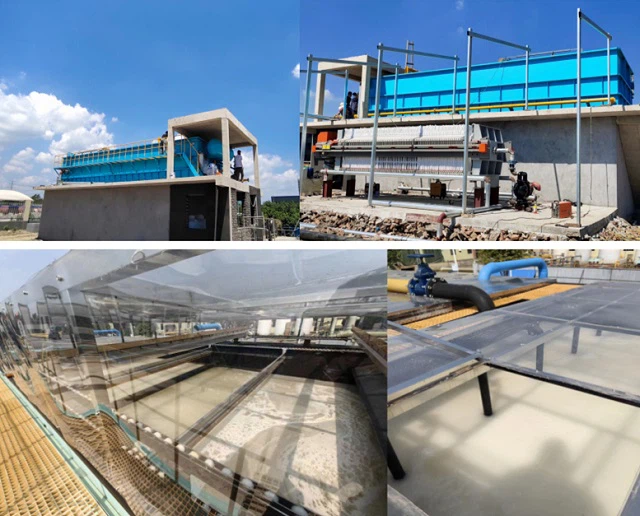
Designed to meet EU CE standards, our equipment ensures 99% uptime for continuous Dutch industrial processes.
Focusing on the Dutch "Blue Economy," our machines help recycle process water back into the manufacturing cycle.
Reduce sludge transport and disposal costs by up to 70% through superior dewatering cake dryness.
Shanghai Olaprixa Industrial Co., Ltd. is a specialized manufacturer and engineering provider focused on advanced industrial wastewater treatment solutions, integrating sludge processing systems and intelligent chemical dosing technologies. Headquartered in Shanghai, China, the company delivers efficient, reliable, and customized water treatment systems for a wide range of industries including manufacturing, chemical processing, food production, and municipal infrastructure.
Olaprixa offers a comprehensive portfolio covering wastewater treatment equipment, sludge dewatering and thickening systems, and precision chemical dosing units designed to optimize treatment performance and operational efficiency. By combining modern process engineering with automation control, the company ensures stable system operation, reduced environmental impact, and compliance with global discharge standards.
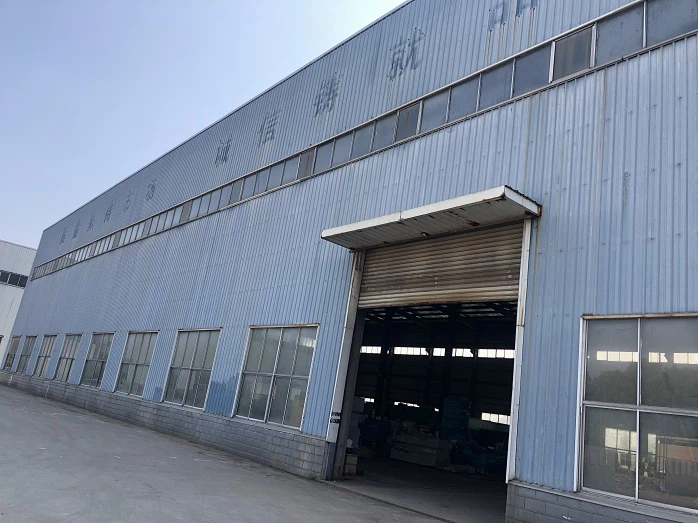
With a strong emphasis on customization, Olaprixa provides tailored water engineering solutions based on specific project requirements, from initial consultation and system design to installation guidance and after-sales technical support. Its team of experienced engineers continuously works to enhance system efficiency, reduce energy consumption, and improve resource recovery.
Committed to sustainability and innovation, Shanghai Olaprixa Industrial Co., Ltd. aims to help global clients achieve cleaner production, water reuse, and long-term environmental responsibility through smart and cost-effective treatment technologies.
As we move towards 2025, several key trends are shaping the Dutch sludge dewatering sector. The primary driver is the Netherlands' Circular Economy 2050 goal, which mandates a 50% reduction in the use of primary raw materials. In this context, sludge is no longer seen as "waste" but as a source of valuable minerals like Phosphorus and Nitrogen.
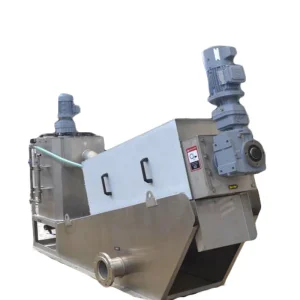
In Dutch dairy and food processing plants—major sectors in regions like North Brabant and Gelderland—the move away from traditional belt presses toward Screw Press Sludge Dewatering Machines is accelerating. These machines offer a smaller footprint, lower energy consumption, and fully enclosed operation, which is critical for maintaining the high hygiene standards required in the Netherlands.
Dutch companies are at the forefront of digital transformation. Modern sludge dewatering factories are now integrating AI-driven sensors into their equipment. These sensors monitor polymer consumption in real-time, adjusting dosing levels based on sludge consistency. This level of automation ensures optimal performance even when the sludge characteristics fluctuate, a common occurrence in municipal systems handling seasonal rainwater runoff.
The Netherlands has some of the world's most advanced phosphorus recovery facilities. Dewatering equipment plays a critical role here; by effectively separating the liquid phase (centrate/filtrate), it allows for the subsequent precipitation of Struvite, which can be reused as a high-quality fertilizer in the Dutch greenhouse horticulture sector.
Water Reuse Rate
Energy Reduction
Global Projects
Technical Support
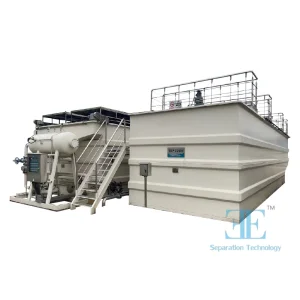
As Europe’s largest port, Rotterdam generates significant volumes of oily sludge from ship cleaning and refinery operations. Our Ecopro DAF (Dissolved Air Flotation) and high-torque centrifugal dewatering units are specifically calibrated to handle heavy hydrocarbons and saline environments, ensuring that effluents meet the strict discharge standards of the Rhine-Meuse-Scheldt delta.
In the "Glass City" of the Westland region, water conservation is paramount. Sludge dewatering equipment is used to treat recirculation water from hydroponic systems. By removing organic solids and pathogens, growers can recycle water indefinitely, minimizing their environmental footprint and complying with the Waterwet (Dutch Water Act).
The Netherlands is a global leader in dairy. Facilities processing milk and cheese produce high-protein, high-fat wastewater. Our specialized Screw Press Dehydrators are equipped with automated CIP (Clean-In-Place) systems, making them the preferred choice for Dutch food factories that require rigorous sanitation protocols.
Custom-engineered equipment for every industrial niche in the Dutch market.
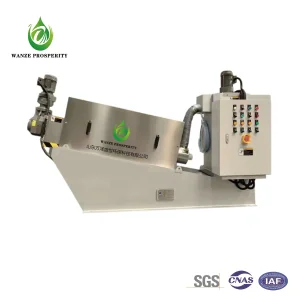
Poultry Manure Treatment Equipment for Dutch Livestock Farms
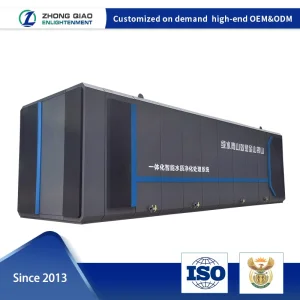
ETP Dairy Waste Water Treatment Plant - Netherlands Standard
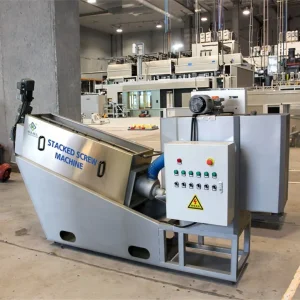
Industrial Sludge Dryer for Groningen Municipal Sewage Processing
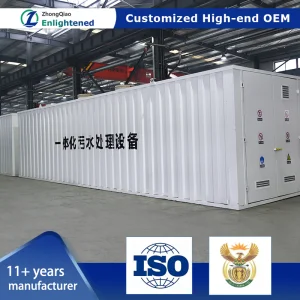
Laboratory Scale Dewatering Equipment for Delft Research Universities
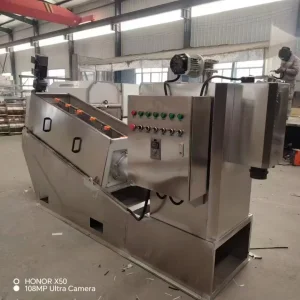
Industrial Grade Wastewater Sludge Dewatering for Eindhoven Tech Hub
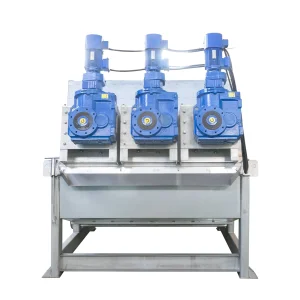
Professional WWTP Sludge Dewatering Systems for Dutch Water Boards
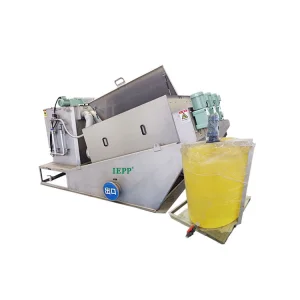
Low-Noise Dewatering Screw Press for Urban Wastewater Facilities
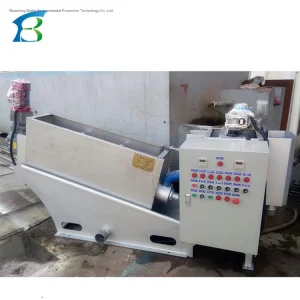
Special Volute Machine for Glass Fiber Industrial Waste in Zeeland
When selecting a sludge dewatering equipment factory in the Netherlands or an international partner, several factors are non-negotiable: Reliability, Automation, and Compliance. Our manufacturing facility combines the cost-efficiency of global production with the rigorous quality standards expected by European engineers.