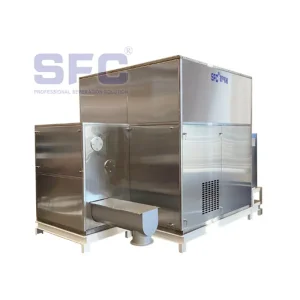
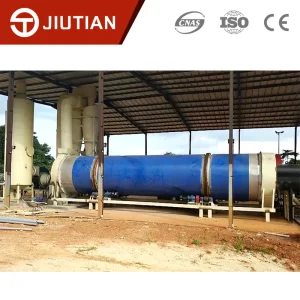
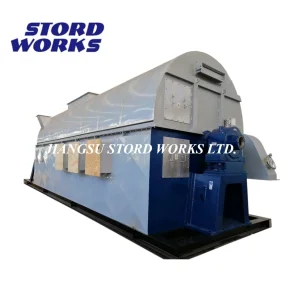
Product Description
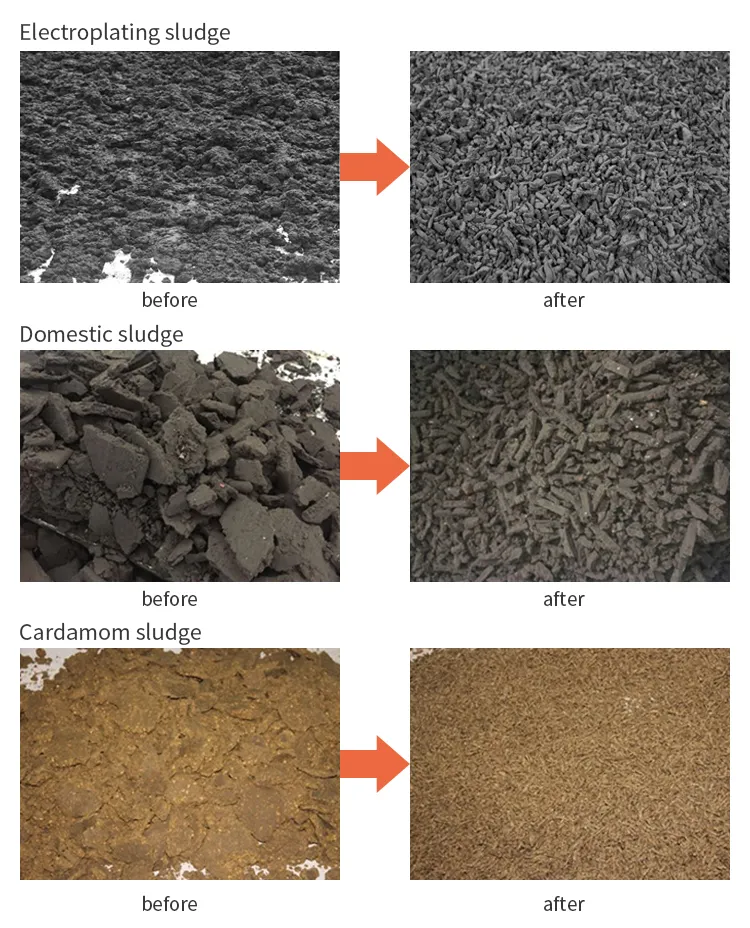
With the development of industry and the acceleration of urbanization, the amount of sewage sludge and municipal sewage sludge has been continuously increased. The effective means of sewage treatment is to press and dewater the sewage and then dry the sludge. The volume of the dried sludge can be reduced by 4 to 5 times. The product is odorless and free of pathogens. It can be used as fertilizer, soil improver and substitute energy, etc.
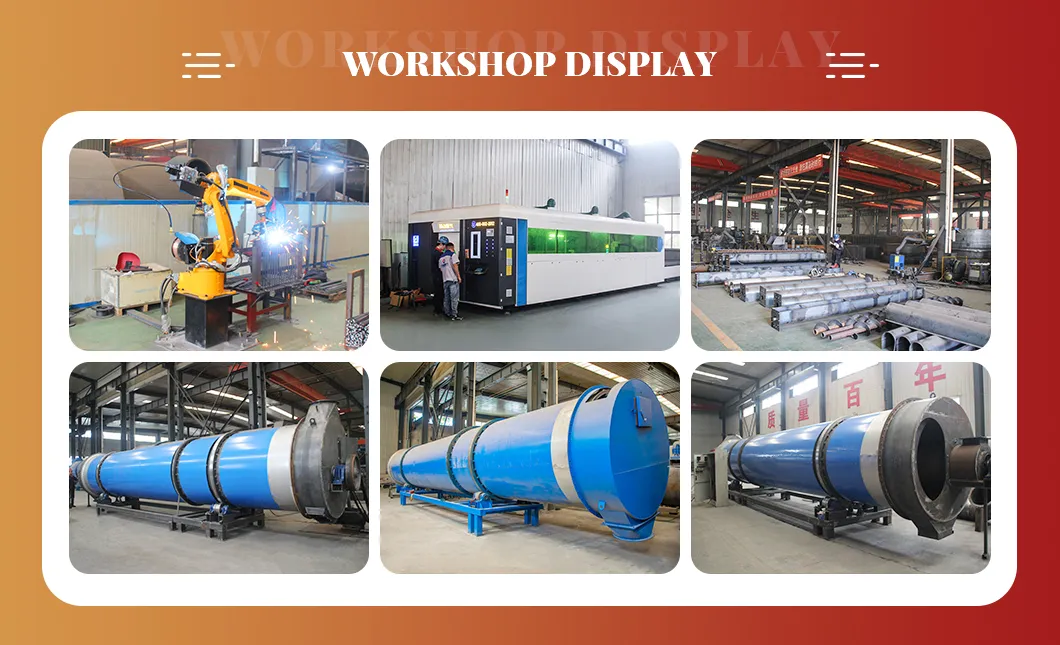
We have carried out repeated technical research and practice on the characteristics of current sludge treatment and created a new generation of environmentally friendly and energy-saving drying systems. The equipment features mature technology, stable operation, and convenient maintenance.
Working Principle
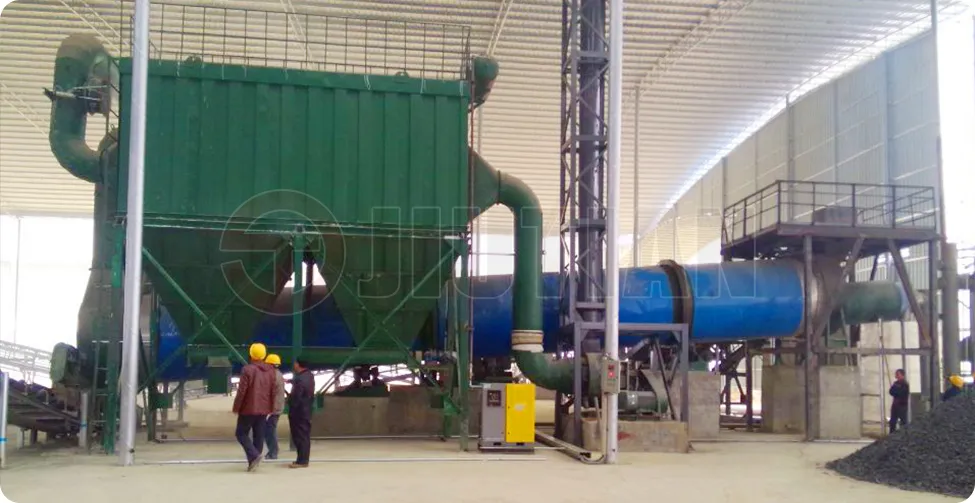
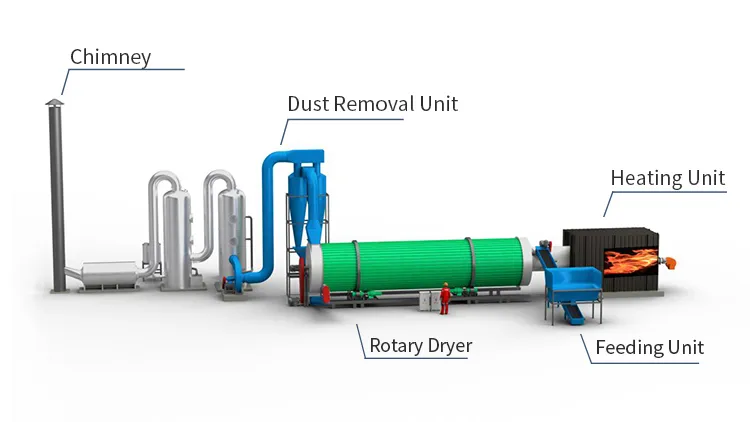
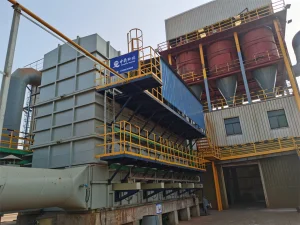
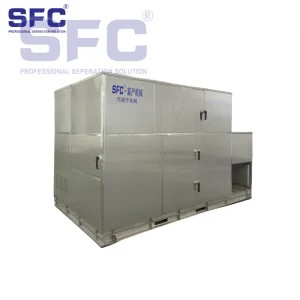
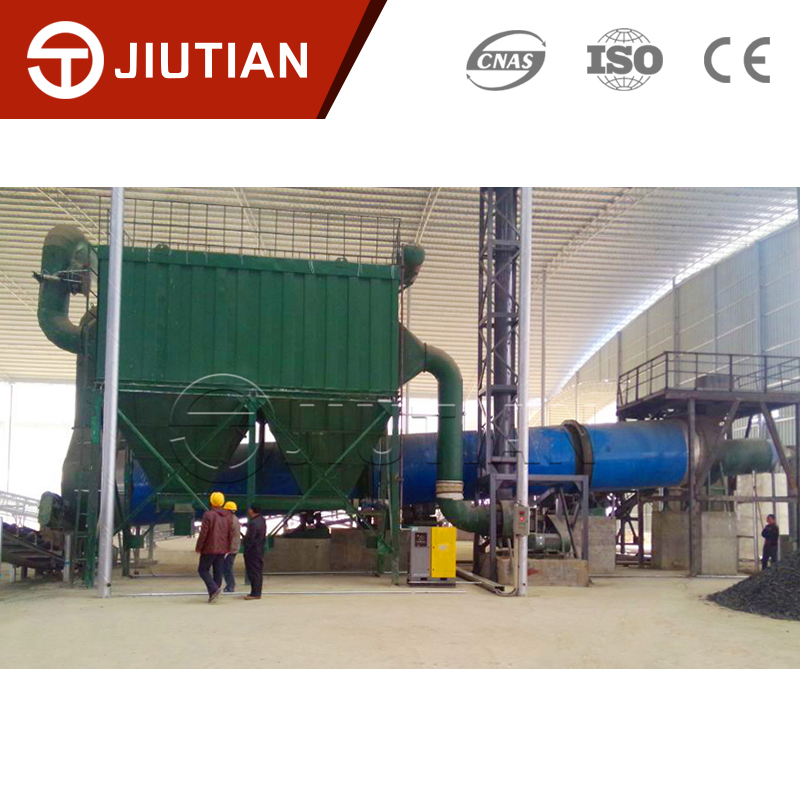
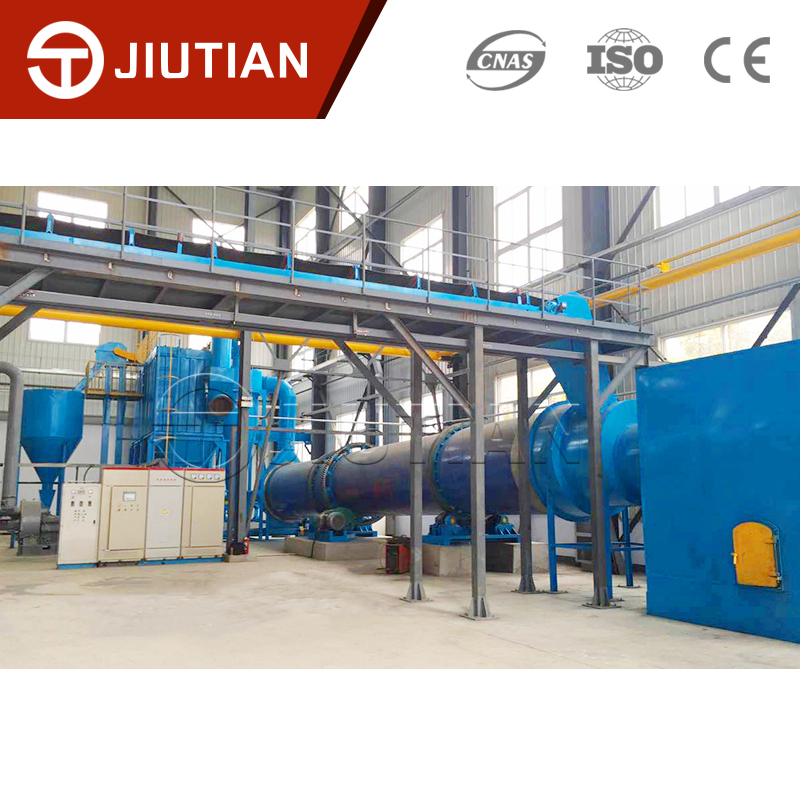
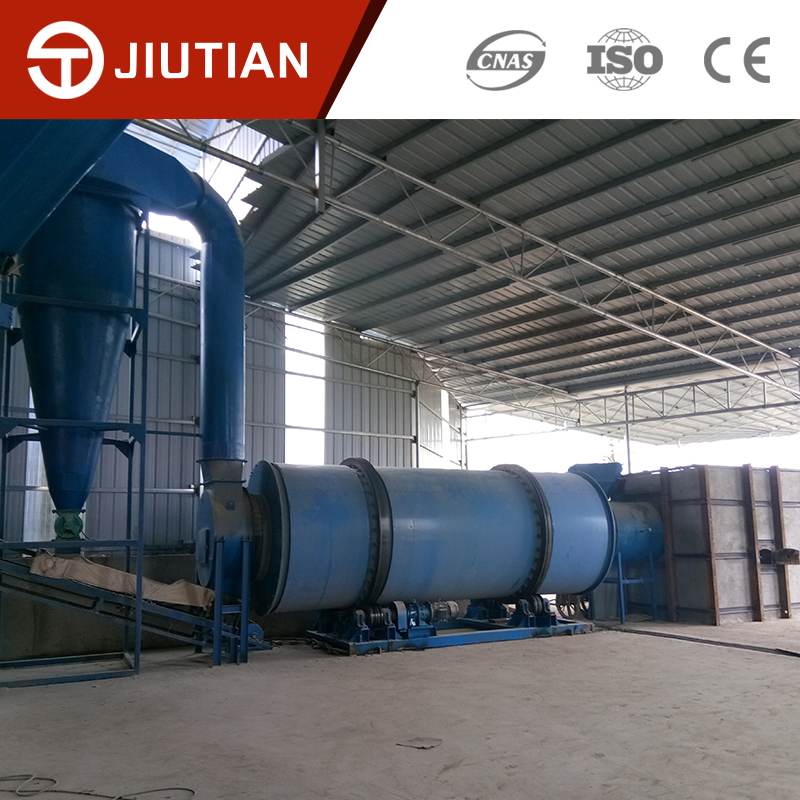
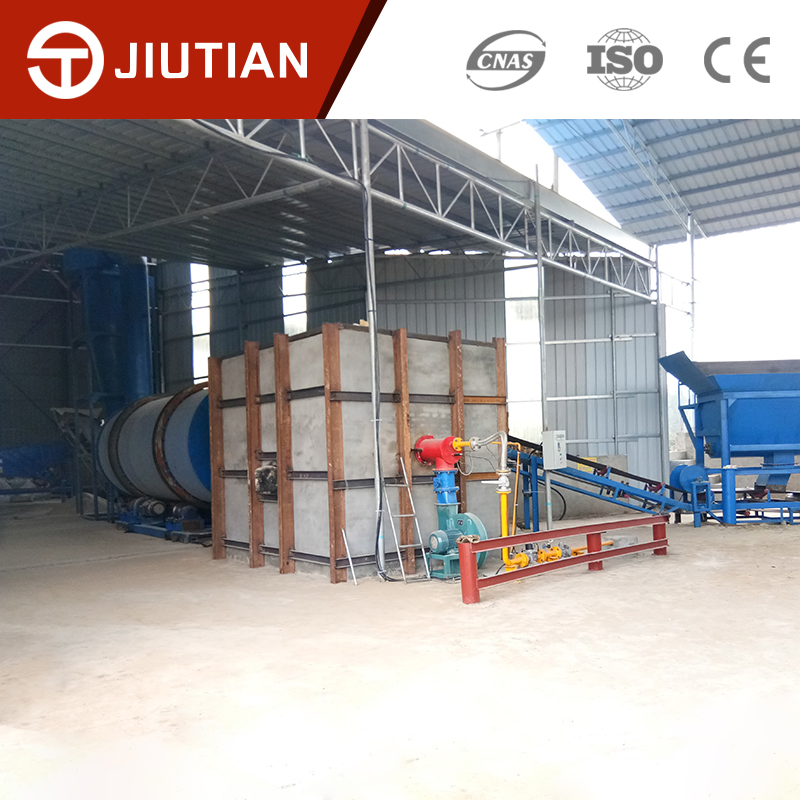
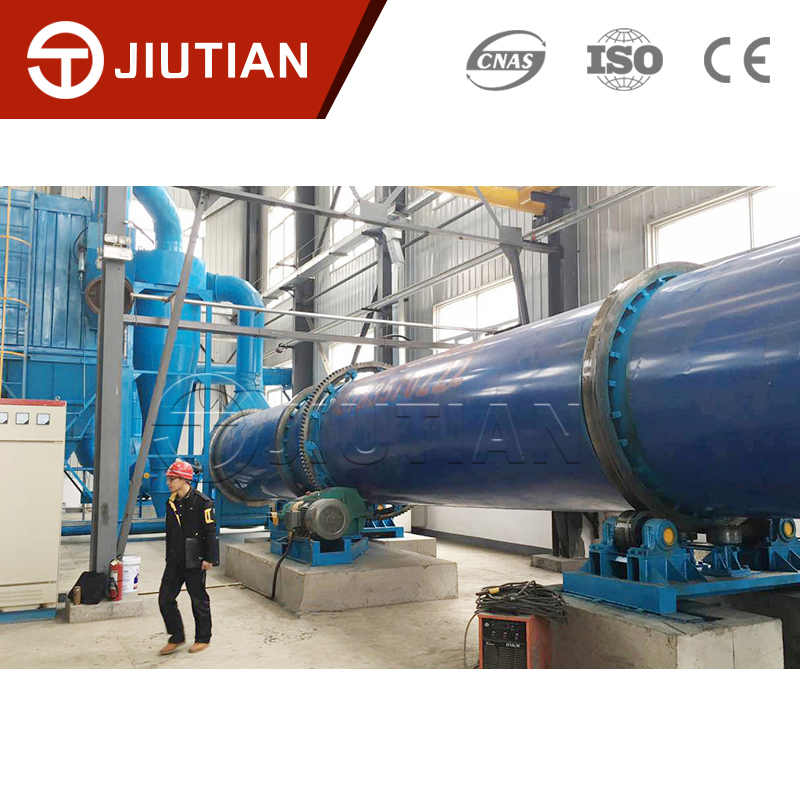
The drying system consists of a heat source, drying device, conveying device, dust removal, and deodorizing device.
Heat source: Uses natural gas combustion and external regenerative heat to improve efficiency.
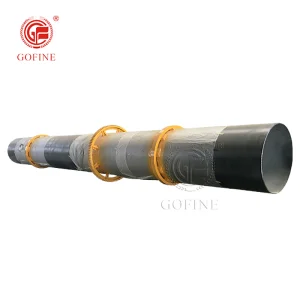
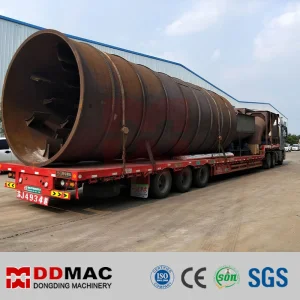
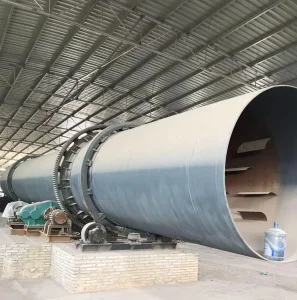
Drying equipment: Features a dispersing drum dryer with a high-speed running shaft that disperses viscous sludge to solve viscosity problems and improve heat exchange. Six working areas ensure final moisture is reduced to less than 25%.
Dust removal & Deodorization: A four-stage method (cyclone collector, acid washing, alkali washing, and ultraviolet decomposition) ensures odor control within strict environmental standards.
Applications
Widely used for drying electroplating sludge, tannery sludge, chemical sludge, oil field sludge, municipal sewage plant sludge, activated sludge, petrochemical sludge, paper sludge, and other high-humidity materials.
Frequently Asked Questions
How to choose the right model of sludge rotary dryer?
Consider factors like heat source type, raw material properties, initial/final moisture content, production capacity, and power requirements. Our engineers can provide a tailored recommendation.
What heat sources are compatible with the system?
The system is highly flexible and can utilize natural gas, biogas, liquefied gas, and other gaseous fuels, as well as external regenerative heat.
How does the system handle odor and pollution?
We use a four-stage treatment process including cyclone dust collection, acid/alkali washing, and UV decomposition to ensure exhaust gases meet environmental protection standards.
Is the dryer suitable for very viscous sludge?
Yes. The dryer features a patented dispersing drum with a high-speed shaft designed specifically to break up viscous sludge and prevent clogging.
What is the typical reduction in sludge volume?
Depending on the initial moisture, the volume of dried sludge is typically reduced by 4 to 5 times compared to wet sludge.
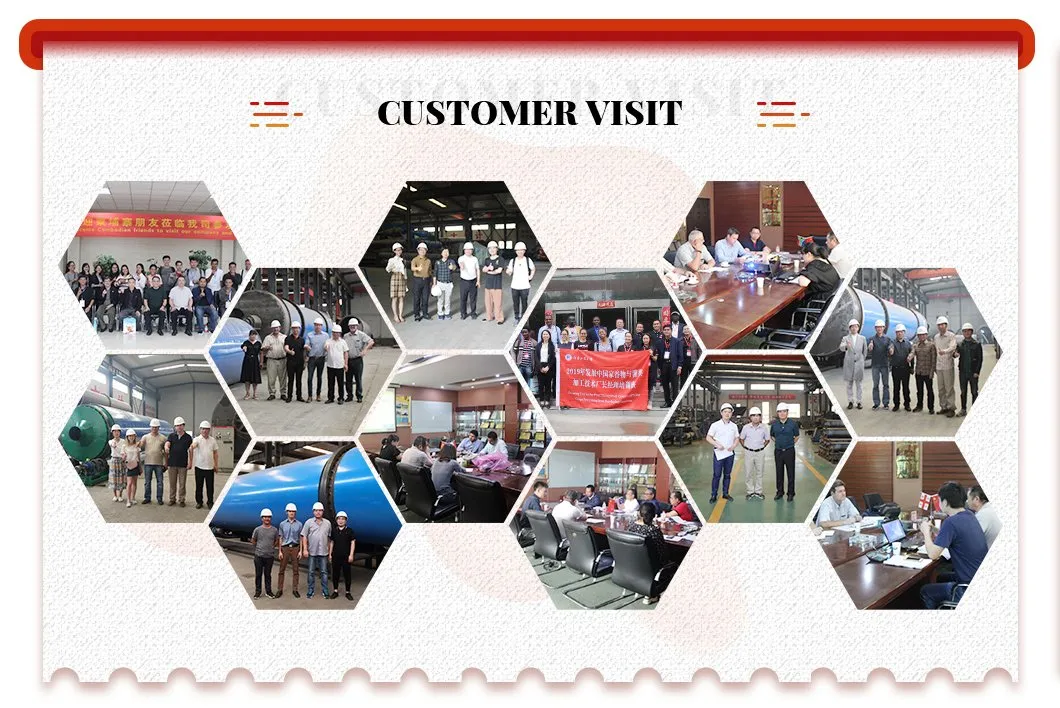
Do you provide onsite installation and training?
Yes, we provide onsite installation support, commissioning services, and operation training to ensure your team can manage the system effectively.
 Olaprixa Industrial