Olaprixa Industrial
Olaprixa Industrial
Olaprixa Industrial
Deep Well Injection (DWI) systems represent the pinnacle of liquid waste management for modern industrial sectors. As a "last resort" but highly effective solution for hazardous and non-hazardous fluids, DWI technology involves the precisely controlled placement of fluids deep underground into porous rock formations, isolated from underground sources of drinking water (USDWs). In the current global industrial climate, Deep Well Injection Systems are not merely disposal tools; they are complex engineering marvels that balance environmental safety with operational continuity.
From the oil and gas fields of the Middle East to the chemical processing hubs in North America and the emerging industrial zones in Southeast Asia, the demand for high-integrity injection systems is soaring. This growth is driven by stringent environmental regulations such as the US EPA's Underground Injection Control (UIC) program and European REACH standards, which mandate that industrial effluents be handled with zero risk of surface water contamination.
Current Market Status: The global market for deep well injection services is expanding at a CAGR of 5.8%, influenced heavily by the transition towards Carbon Capture and Storage (CCS) and the intensive water management needs of the pharmaceutical and petrochemical industries.
Modern systems integrate real-time IoT sensors that monitor annulus pressure, injection rates, and formation temperature, utilizing AI to predict well fatigue before it occurs.
Utilizing Super Duplex stainless steel and high-nickel alloys to combat the highly corrosive nature of industrial leachates and acidic wastewater.
Innovative designs are now focusing on recovering hydraulic energy from the high-pressure injection streams to power auxiliary equipment, reducing carbon footprints.
International buyers, particularly EPC (Engineering, Procurement, and Construction) contractors, seek manufacturers who can provide a turnkey experience. The primary criteria for procurement include:
Our facilities in Shanghai utilize massive manufacturing capacity to shorten lead times from months to weeks, ensuring your projects stay on schedule.
By optimizing supply chains and leveraging local steel and electronics ecosystems, we provide top-tier technology at 30-40% lower CAPEX than Western counterparts.
Unlike "off-the-shelf" suppliers, we offer bespoke engineering. Every pump, valve, and sensor is selected based on your specific borehole data and fluid chemistry.
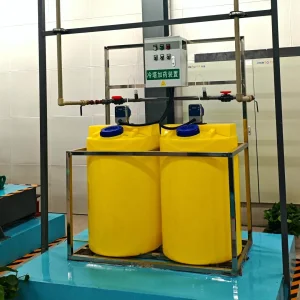
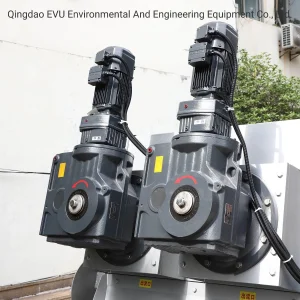
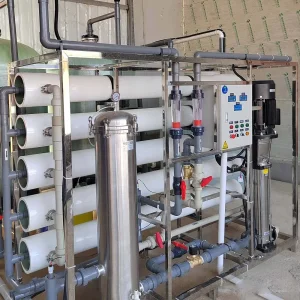
Shanghai Olaprixa Industrial Co., Ltd. is a specialized manufacturer and engineering provider focused on advanced industrial wastewater treatment solutions, integrating sludge processing systems and intelligent chemical dosing technologies. Headquartered in Shanghai, China, the company delivers efficient, reliable, and customized water treatment systems for a wide range of industries including manufacturing, chemical processing, food production, and municipal infrastructure.
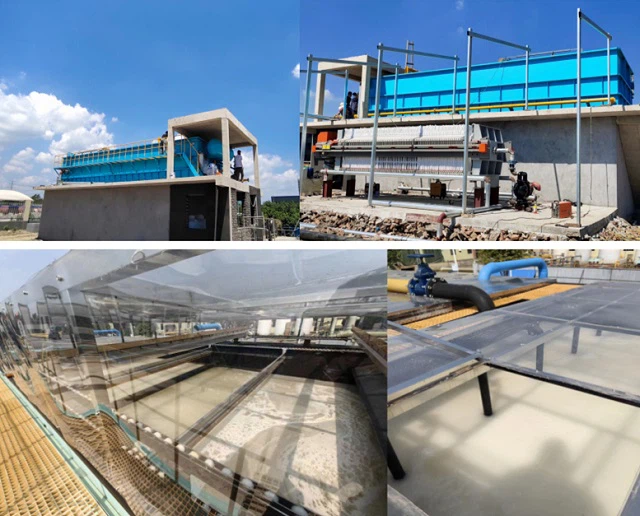
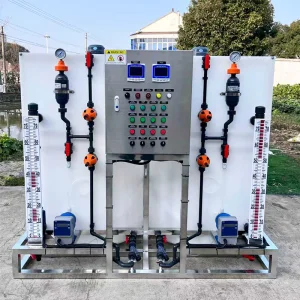
Olaprixa offers a comprehensive portfolio covering wastewater treatment equipment, sludge dewatering and thickening systems, and precision chemical dosing units designed to optimize treatment performance and operational efficiency. By combining modern process engineering with automation control, the company ensures stable system operation, reduced environmental impact, and compliance with global discharge standards.
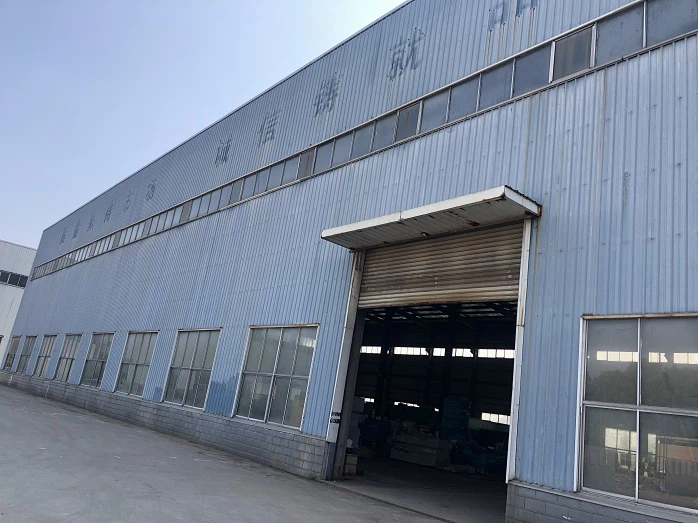
With a strong emphasis on customization, Olaprixa provides tailored water engineering solutions based on specific project requirements, from initial consultation and system design to installation guidance and after-sales technical support. Its team of experienced engineers continuously works to enhance system efficiency, reduce energy consumption, and improve resource recovery.
Committed to sustainability and innovation, Shanghai Olaprixa Industrial Co., Ltd. aims to help global clients achieve cleaner production, water reuse, and long-term environmental responsibility through smart and cost-effective treatment technologies.
Our systems are deployed in diverse environments across the globe, each requiring unique localized expertise:
1. Oil Field Brine Management (Middle East): Injecting produced water back into reservoirs to maintain pressure while preventing surface contamination in desert ecosystems.
2. Pharmaceutical Waste Disposal (India & Europe): Handling complex chemical solvents and organic matter that cannot be treated via traditional biological methods.
3. Mining Leachate Control (Australia & South America): Managing heavy-metal laden runoff from mining operations by sequestering it in deep, impermeable geologic layers.
4. Urban Municipal Pre-treatment (Domestic & SE Asia): Ensuring industrial zones located near urban centers do not affect the local groundwater table through high-precision aeration and dosing.