Olaprixa Industrial
Olaprixa Industrial
Olaprixa Industrial
Premium grade bio-filtration, membrane bio-reactors, and high-efficiency activated sludge process systems specifically tailored for industrial and municipal compliance in Philadelphia.
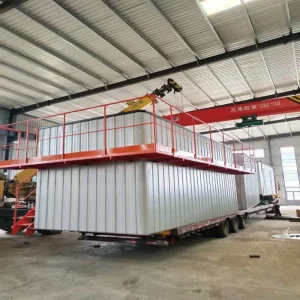
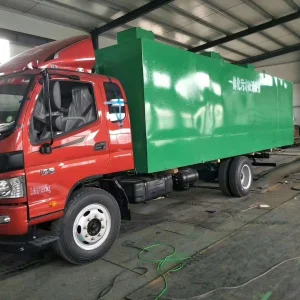
As one of the oldest industrial corridors in the United States, the Greater Philadelphia and Delaware Valley markets are home to a diverse array of manufacturing, chemical processing, pharmaceutical manufacturing, and food production plants. However, the environmental burden on local water resources, notably the Delaware River Basin and the Schuylkill River watershed, has necessitated strict regulatory oversight by local, regional, and federal authorities.
Municipal wastewater discharge in Philadelphia is tightly monitored by the Philadelphia Water Department (PWD) under its Industrial Waste Unit. The city enforces strict surcharge programs for high-strength organic wastes, measuring Biochemical Oxygen Demand (BOD), Chemical Oxygen Demand (COD), Total Suspended Solids (TSS), and total phosphorus/nitrogen levels. Moreover, the Delaware River Basin Commission (DRBC) imposes stringent regulations across state lines (PA, NJ, DE, and NY) to protect water quality, especially with regards to nutrient overloading (eutrophication) and toxic elements.
"Failure to meet discharge parameters under PWD regulations can result in severe financial penalties, operational shutdowns, and high surcharge rates. Biological wastewater treatment represents the most cost-effective, environmentally sound solution to reduce organic loading before local discharge."
In this context, industrial operations require robust biological wastewater treatment systems that not only achieve consistent effluent parameters but also optimize energy consumption and chemical usage. The transition from legacy activated sludge plants to modern high-concentration biomass systems (such as MBR and MBBR) is critical for local manufacturers aiming to remain competitive while meeting increasingly stringent environmental mandates.
Comparing MBR, MBBR, and AO processes to balance footprint, effluent quality, and capital expenditure.
Integrates biological degradation with membrane filtration (typically ultrafiltration or microfiltration). By operating at much higher Mixed Liquor Suspended Solids (MLSS) concentrations (up to 12,000 mg/L), MBRs achieve exceptionally clear effluent, eliminating the need for secondary clarifiers.
Utilizes specialized plastic carrier media suspended in the aeration tank, providing a vast surface area for biological biofilm growth. This process handles high shock loads, has a small footprint, and is ideal for upgrades of existing overloaded activated sludge basins.
A classic biological nitrogen removal setup. The anaerobic/anoxic zone converts nitrates into gaseous nitrogen (denitrification), while the aerobic/oxic zone degrades organic compounds (BOD) and nitrifies ammonia. Essential for sites under strict nutrient discharge limits.
Specialized bioreactors and high-capacity industrial biological treatment units engineered to support regional commercial infrastructure and heavy production facilities.
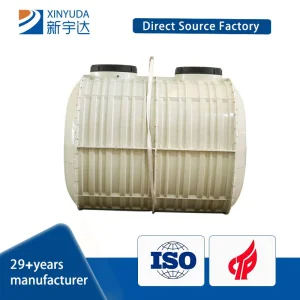
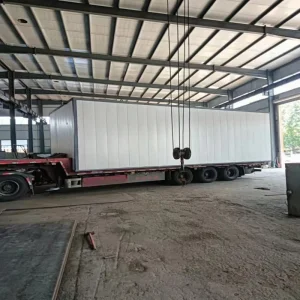
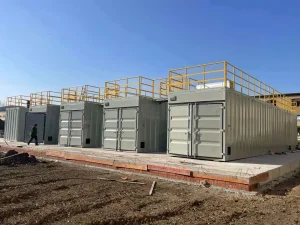
In the modern globalized economy, industrial buyers in North America face significant challenges, including volatile shipping schedules, fluctuating raw material costs, and rising local installation overheads. To navigate this, procurement directors are increasingly looking to establish direct relationships with advanced manufacturing hubs that offer both high-level design intelligence and robust component supply chains.
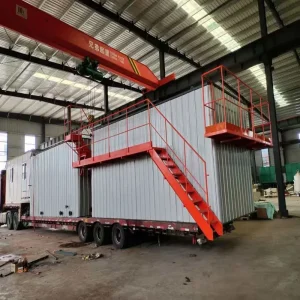
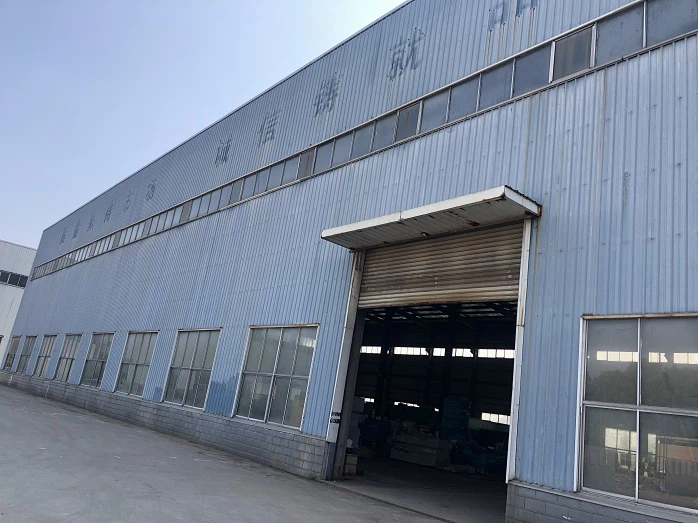
Shanghai Olaprixa Industrial Co., Ltd. stands at the forefront of this manufacturing evolution. Integrating the principles of Industry 4.0, our manufacturing facility relies on automated CAD-to-CNC pipeline processing, precision robotic welding, and digital testing regimes. These advanced methods ensure that containerized water treatment systems are built with tight tolerances, superior structural integrity, and fully compliant electrical assemblies (UL/CE standards).
By sourcing modular biological treatment systems from Olaprixa, companies in the Philadelphia region achieve substantial savings in Capital Expenditure (CAPEX) without sacrificing operational reliability. The modules arrive pre-wired, pre-piped, and factory-tested, drastically reducing onsite assembly, mechanical work, and costly local labor hours during commission.
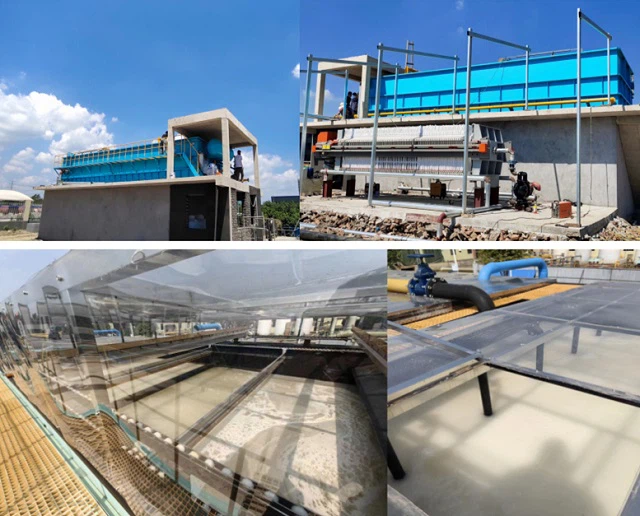
Biological wastewater systems are highly versatile, but they must be carefully customized to match the unique chemical profiles of specific industries. In the Greater Philadelphia area, we address several core application sectors:
Local breweries, dairy processors, and commercial bakeries generate high-strength organic wastewater characterized by elevated BOD, COD, and oil & grease concentrations. Utilizing our AO Biological Process MBR systems, these plants can reduce BOD levels from 3,000+ mg/L down to single digits, completely eliminating municipal surcharges and generating water suitable for non-potable utility reuse (such as cooling tower make-up).
The I-95 pharmaceutical corridor in Pennsylvania and New Jersey demands absolute containment and robust destruction of complex chemical compounds. Specialized bio-filtration coupled with activated carbon or advanced oxidation processes (AOP) ensures that persistent organic pollutants (POPs) and active pharmaceutical ingredients (APIs) are fully broken down before leaving the boundary line.
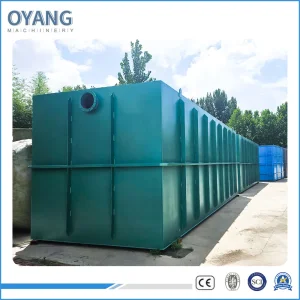
Suburban Philadelphia is home to large educational campuses, corporate parks, and residential developments that lie beyond public sewer access. Our containerized biological plants provide compact, odor-free, and virtually silent operations. By utilizing high-efficiency MBR technology, campuses can achieve a localized circular water loop, reusing treated effluent for landscape irrigation and toilet flushing.
A biological treatment system is only as good as its secondary sludge management and chemical feed processes. Shanghai Olaprixa Industrial Co., Ltd. specializes not only in the main bioreactor flow but also in the surrounding system architecture that determines long-term operating costs (OPEX).
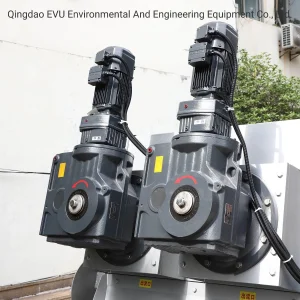
Our engineering suite integrates state-of-the-art sludge dewatering equipment, including multi-disk screw presses and decanter centrifuges, designed to concentrate waste activated sludge (WAS) to a high dry-solids cake (typically 15-25% DS). This dramatically reduces waste transport and disposal costs, which is a major expense factor for plants in the northeastern United States.
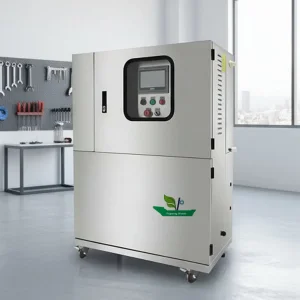
Additionally, our PLC-controlled chemical dosing skids automate the delivery of pH adjusters, coagulants, flocculants, and supplementary carbon sources. By pairing real-time sensor feedback (DO, pH, ORP, Turbidity) with variable speed metering pumps, the system adjusts dosing rates instantly, avoiding chemical waste and ensuring that biological colonies are protected from toxic shocks.
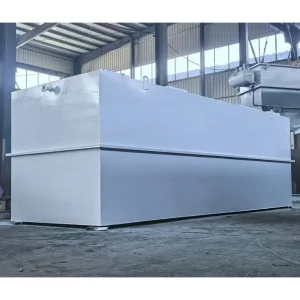
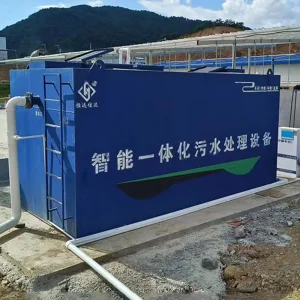
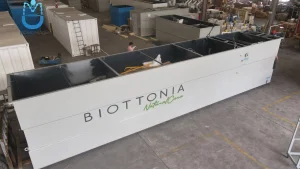
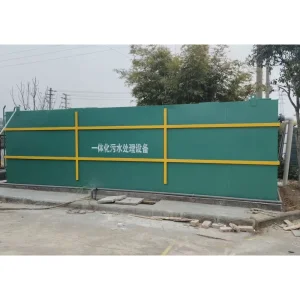
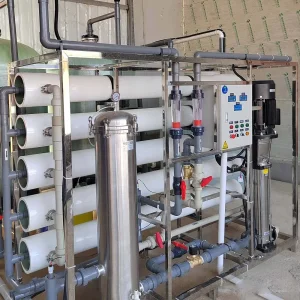
Complete modular equipment range, including package systems, camp sewage installations, customizable purification plants, and sludge dewatering machinery.
Clear, direct answers to common queries regarding biological wastewater treatment systems, shipping, compliance, and custom design.
The Philadelphia Water Department (PWD) monitors limits for Biochemical Oxygen Demand (BOD), Chemical Oxygen Demand (COD), Total Suspended Solids (TSS), Total Phosphorus, and Ammonia-Nitrogen. Surcharges are calculated based on pounds of excess pollutants discharged. Keeping these metrics below local threshold levels (typically 250 mg/L BOD and TSS) avoids heavy municipal surcharges.
Membrane Bioreactors (MBR) replace gravity-based secondary clarifiers with physical barriers (microfiltration or ultrafiltration membranes). This allows the bioreactor to run at a higher MLSS concentration (8,000 to 12,000 mg/L) compared to standard processes (3,000 to 4,000 mg/L). Higher MLSS results in a more thorough biological digestion of contaminants, while the physical membrane ensures zero suspended solids or biological floc pass through to the final effluent.
The standard manufacturing phase for a custom biological wastewater treatment skid is 8 to 12 weeks. Ocean shipping from Shanghai to the Port of Philadelphia or Port of New York/New Jersey takes approximately 30 to 40 days. Including customs clearance and inland logistics, customers should plan for a total lead time of 4 to 5 months from drawing approval to onsite delivery.
Yes. Low temperature slows down biological activity (especially nitrification). To counter this, Olaprixa systems designed for northern climates include insulated panels, integrated sub-surface heaters, or immersion heating elements inside the bioreactor. The biological design volume is also adjusted to provide a longer Mean Cell Residence Time (MCRT) during colder months, ensuring continuous compliance.
While local engineering firms typically submit the final permit applications to PADEP or local municipal boards, Shanghai Olaprixa provides a comprehensive engineering documentation package. This includes Process Flow Diagrams (PFD), Piping & Instrument Diagrams (P&ID), detailed 3D layouts, structural calculations, component certifications, and expected effluent performance statistics required for the permitting process.
We provide remote video-conferencing support, step-by-step installation manuals, and real-time support from our engineering department. For complex industrial sites, we can dispatch field engineers to Philadelphia to oversee final structural setup, supervise electrical integration, start up the biological inoculation, and train onsite operating staff.
Get in touch with our engineering team today to receive a detailed system design questionnaire and a customized budgetary proposal.
Send Inquiry Now