Olaprixa Industrial
Olaprixa Industrial
Olaprixa Industrial
High-performance biological treatment systems engineered for deployment in high-temperature, remote mining, and municipal installations across the Democratic Republic of Congo.
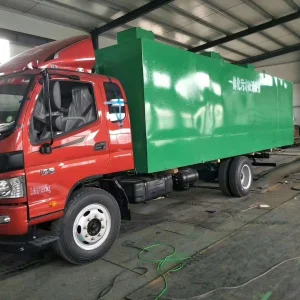
Understanding the unique environmental, geographical, and industrial factors driving the demand for biological purification systems in Central Africa.
The Democratic Republic of Congo (DRC) is home to the world’s most abundant mineral reserves, including cobalt, copper, and tin. The concentration of processing facilities, concentration plants, and smelters in provinces like Katanga and Lualaba requires millions of cubic meters of process water daily. Raw mineral extraction and processing generate massive quantities of wastewater rich in trace heavy metals, highly suspended solids, and chemical residue from froth flotation.
Historically, chemical sedimentation was the sole focus. However, as mining camps expand to accommodate tens of thousands of workers, sanitary sewage and biological co-contamination of nearby rivers (such as the Lualaba and Congo Rivers) have elevated public health risks. Combining heavy industrial treatment with robust biological purification has become essential to prevent downstream contamination.
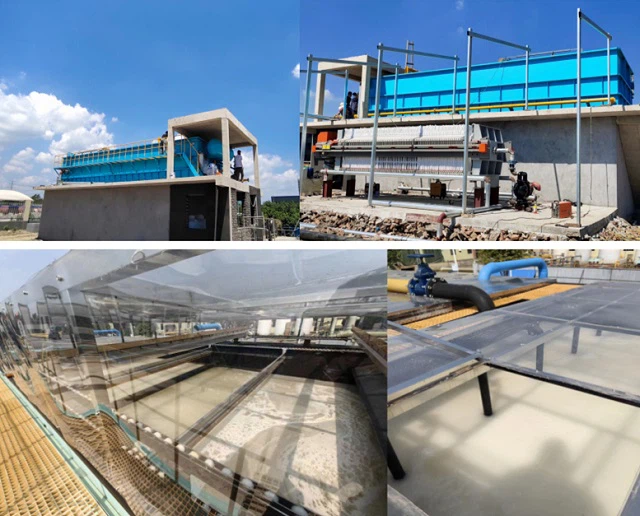
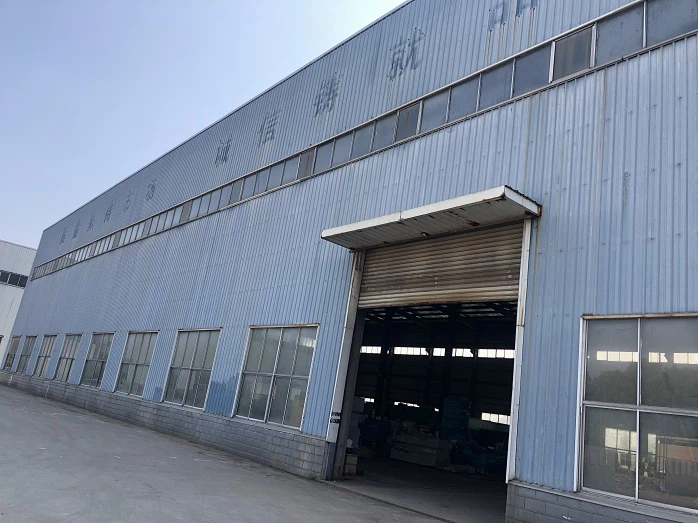
Global engineering provider of integrated biological water treatment and sludge processing systems.
Shanghai Olaprixa Industrial Co., Ltd. is a specialized manufacturer and engineering provider focused on advanced industrial wastewater treatment solutions, integrating sludge processing systems and intelligent chemical dosing technologies. Headquartered in Shanghai, China, the company delivers efficient, reliable, and customized water treatment systems for a wide range of industries including manufacturing, chemical processing, food production, and municipal infrastructure.
Olaprixa offers a comprehensive portfolio covering wastewater treatment equipment, sludge dewatering and thickening systems, and precision chemical dosing units designed to optimize treatment performance and operational efficiency. By combining modern process engineering with automation control, the company ensures stable system operation, reduced environmental impact, and compliance with global discharge standards.
With a strong emphasis on customization, Olaprixa provides tailored water engineering solutions based on specific project requirements, from initial consultation and system design to installation guidance and after-sales technical support. Its team of experienced engineers continuously works to enhance system efficiency, reduce energy consumption, and improve resource recovery. Committed to sustainability and innovation, Shanghai Olaprixa Industrial Co., Ltd. aims to help global clients achieve cleaner production, water reuse, and long-term environmental responsibility through smart and cost-effective treatment technologies.
Evaluating MBR, MBBR, and Traditional Activated Sludge (AO) processes for remote, hot, and fluctuating power environments.
| Technology Route | Footprint Requirement | Effluent Quality (COD/BOD) | Power Stability Tolerance | Operator Skill Required | DR Congo Market Suitability |
|---|---|---|---|---|---|
| Membrane Bioreactor (MBR) | Very Low (Compact footprint) | Excellent (<5 mg/L BOD) | Medium (Needs backwash control) | Medium-High (PLC automated) | Best for remote mining camps, high recycling needs, and camp water reuse. |
| Moving Bed Biofilm (MBBR) | Low-Medium | Good (<15 mg/L BOD) | High (Biofilm resists power shock) | Low (Robust biofilm carrier) | Ideal for expanding municipal infrastructure in Kinshasa and Lubumbashi. |
| Traditional Anoxic/Oxic (AO) | High (Large clarifier) | Moderate (<25 mg/L BOD) | High (Basic aerators only) | Low (Manual operation viable) | Suitable for large-scale rural municipal areas with ample land availability. |
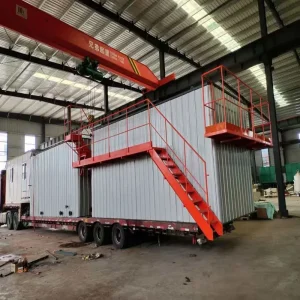
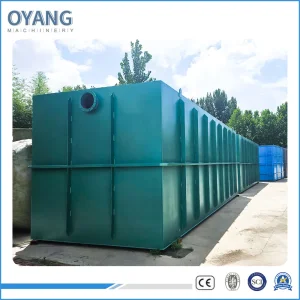
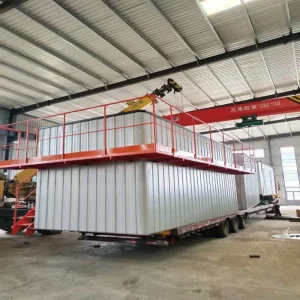
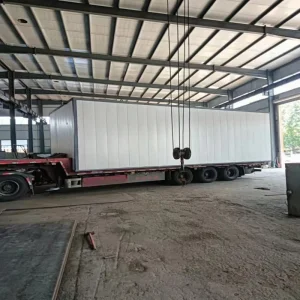
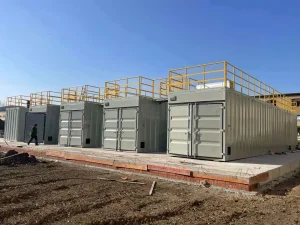
We design, pre-assemble, and ship turnkey containerized and packaged systems directly to Congolese ports and mining concessions.
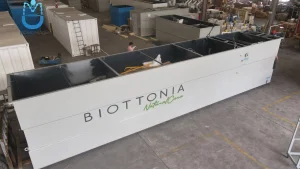
High-load containerized MBR plants engineered for rapid deployment. These systems process sanitary greywater and blackwater from mining camps, allowing for reuse in dust suppression and raw ore processing plants.
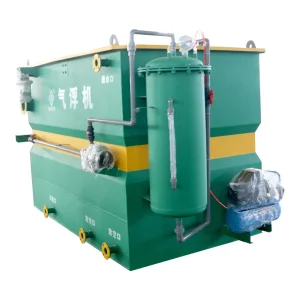
High-COD treatment setups using integrated anaerobic/anoxic processes. Ideal for breweries, beverage plants, and mills operating in Kinshasa, preventing heavy organic shock loads to local ecosystems.
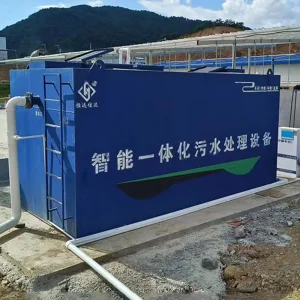
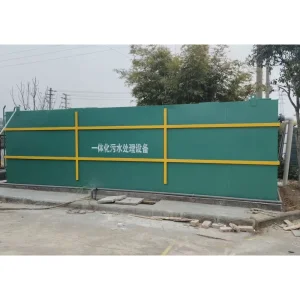
Packaged MBBR sewage plants designed for educational campuses, regional medical installations, and hospital compounds requiring low maintenance and safe sanitization of clinical sewage runoffs.
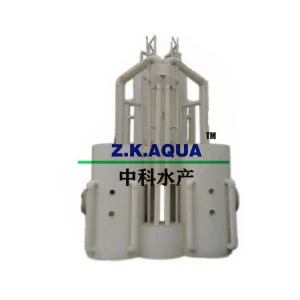
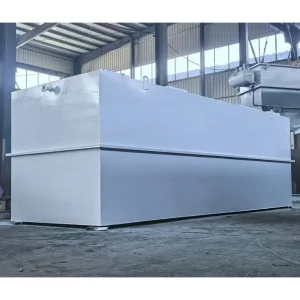
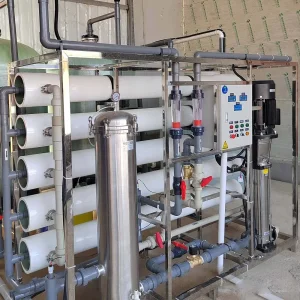
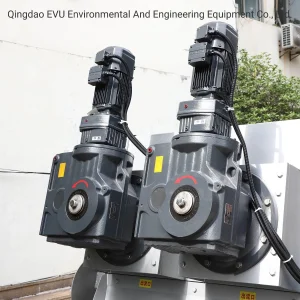
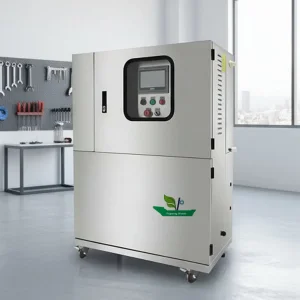
Explore our full line of specialized hardware, designed for integration into modular systems or large-scale civil engineering projects in Central Africa.
Adapting biological water systems to withstand localized grid volatility, remote shipping logistics, and tropical heat.
Operating biological treatment systems in the Democratic Republic of Congo poses logistical and engineering hurdles. Shipping to the Port of Matadi or trucking heavy equipment over land via the East African corridors (Dar es Salaam/Mombasa to Lubumbashi) requires robust packaging. All Shanghai Olaprixa systems feature reinforced steel frames and anti-corrosive coatings, allowing transport across challenging routes.
Our control panels are equipped with integrated voltage surge stabilizers to protect sensitive instrumentation from grid drops. Furthermore, our PLC control systems feature cloud-based remote telemetry, allowing Olaprixa engineers in Shanghai to monitor membrane pressures, oxygen transfer rates, and sludge recycling speeds in real time, supporting onsite technicians via satellite internet.
Technical and logistical insights for procuring biological wastewater purification systems for DRC industrial sites.