Olaprixa Industrial
Olaprixa Industrial
Olaprixa Industrial
Select engineered units for industrial sludge dewatering, mechanical separation, plant purification, and customized dosing lines.
In the current industrial epoch, water is no longer a simple utility; it is a critical operational risk factor and strategic constraint. Global factory sites face unparalleled regulatory pressures, soaring discharge tariffs, and severe physical scarcity. Transitioning to a structured Industrial Water Reuse Strategy is the primary method for heavy manufacturing, chemical, pharmaceutical, and electronic hubs to sustain long-term growth.
China, as the world's preeminent manufacturing powerhouse, has transformed into a leading incubator for advanced water reclamation technologies. Chinese factories are currently adopting integrated circular models. These strategies merge advanced membrane bioreactors (MBR), dissolved air flotation (DAF), high-recovery reverse osmosis (RO), and robust sludge dewatering protocols to achieve Zero Liquid Discharge (ZLD). This approach ensures absolute regulatory compliance while significantly reducing the Total Cost of Ownership (TCO).
Key Objective: By cycling wastewater back into process streams (cooling towers, boiler feeds, and washing processes), industrial units can decrease fresh water intake by up to 90% and completely mitigate wastewater discharge penalties.
China-manufactured water treatment assets offer substantial economic and technical benefits compared to traditional Western systems, stemming from comprehensive industrial supply integration.
From chemical dosing pumps and raw membrane sheeting to large-scale structural clarifiers and intelligent PLC telemetry, China's industrial zones manufacture every element. This provides unmatched lead-time advantages and seamless system compatibility.
Lower core engineering and raw structural fabrication costs in China allow global purchasing directors to execute advanced water recovery setups (such as dual-train MBR or dynamic high-recovery RO configurations) at a fraction of standard cost limits.
China's stringent domestic environmental regulations (e.g., the 'Three-Red-Lines' water management mandate) require Chinese machinery plants to output heavy-duty, exceptionally stable water purification architectures capable of passing any US EPA or EU water quality audit.
Standard performance parameters achieved by integrating advanced pre-treatment, membrane concentration, and mechanical sludge dehydration.
The landscape of industrial water management is transitioning from standard municipal-grade cleaning to custom, factory-specific processes. Several technological trends are driving this evolution:
| Water Management Stage | Legacy Technology Paradigm | Modern Advanced Strategy (ZLD Oriented) | Resource / Water Recovery Impact |
|---|---|---|---|
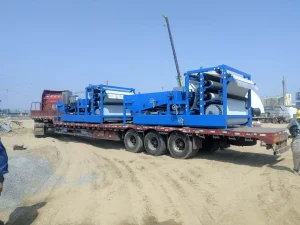
| Sludge Handling | Open air drying beds, raw polymer sludge dumping | Integrated belt filter press combined with low-temp thermal sludge pumps | Moisture reduction to 15-20%; dry solid reuse as industrial fuel or soil remediation material |
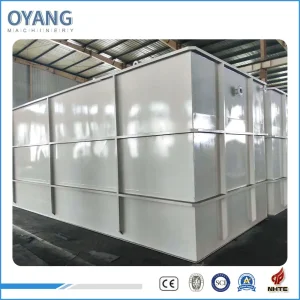
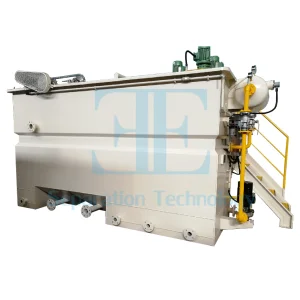
| Pre-filtration | Coarse sand filters, basic settling ponds | Automated DAF (Dissolved Air Flotation) paired with smart micro-dosing systems | 99% reduction in oils, grease, and TSS; significantly extends the life of downstream reverse osmosis membranes |
| Biological Nitrification | Standard Activated Sludge systems (large footprint) | AO Biological Processes combined with Membrane Bioreactors (MBR) | Footprint reduction by 50%; effluent ready for direct ultrafiltration-level manufacturing cycles |
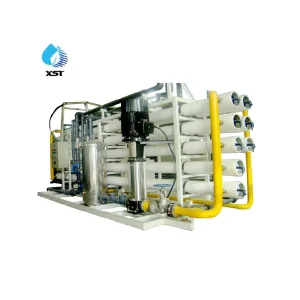
| High-Salinity Separation | High-cost thermal evaporator units (high carbon footprint) | High-Pressure Reverse Osmosis (RO) paired with mechanical vapor recompression (MVR) | Recovers up to 95% pure permeate; isolates mineral salts for chemical process feedstock recycling |
Deploying these strategies requires configuring processes to match the target industrial sector's specific wastewater chemistry:
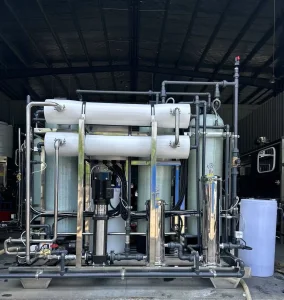
These facilities handle complex wastewater containing complex aromatic compounds, high chemical oxygen demand (COD), and volatile phenols. An optimal strategy integrates Ecopro DAF systems for pre-flotation, followed by multi-stage AO Biological MBR systems, and final polish via high-pressure Industrial RO units to cycle water directly back to thermal cooling towers.
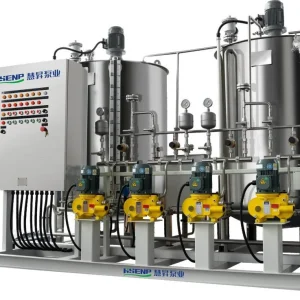
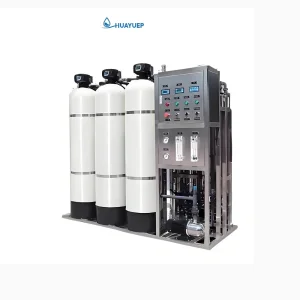
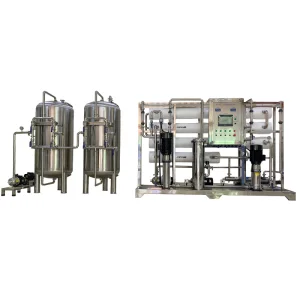
Ultra-pure water (UPW) loop rejects contain fluorine, silica, and variable acid-base concentrates. Implementation of dual-train Two-Stage Reverse Osmosis systems, automated chemical dosing matrices, and continuous polishing deionization allows these fabs to reclaim up to 90% of polishing loop water, minimizing municipal supply strains.
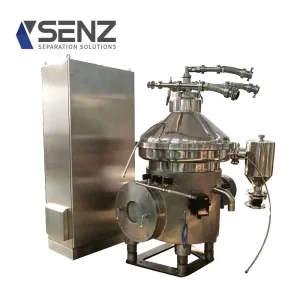
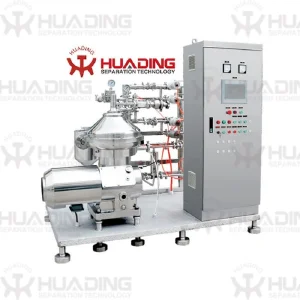
Wastewater contains high levels of organic fats, proteins, and cleaning-in-place (CIP) chemicals. Installing high-speed Electric Power Dairy Separators and disk centrifuges allows factories to reclaim lipids and organic solids before directing wastewater to energy-generating anaerobic digestors.
Wastewater contains metal ions, cutting emulsions, and paint-shop runoffs. Integrating Sludge Solidification Systems, specialized chemical dosing, and heavy-duty Filter Press Systems isolates hazardous metallic solids for safe disposal, returning purified water back to surface pretreatment stages.
Shanghai Olaprixa Industrial Co., Ltd. is a specialized manufacturer and engineering provider focused on advanced industrial wastewater treatment solutions, integrating sludge processing systems and intelligent chemical dosing technologies. Headquartered in Shanghai, China, the company delivers efficient, reliable, and customized water treatment systems for a wide range of industries including manufacturing, chemical processing, food production, and municipal infrastructure.
Olaprixa offers a comprehensive portfolio covering wastewater treatment equipment, sludge dewatering and thickening systems, and precision chemical dosing units designed to optimize treatment performance and operational efficiency. By combining modern process engineering with automation control, the company ensures stable system operation, reduced environmental impact, and compliance with global discharge standards.
With a strong emphasis on customization, Olaprixa provides tailored water engineering solutions based on specific project requirements, from initial consultation and system design to installation guidance and after-sales technical support. Its team of experienced engineers continuously works to enhance system efficiency, reduce energy consumption, and improve resource recovery. Committed to sustainability and innovation, Shanghai Olaprixa Industrial Co., Ltd. aims to help global clients achieve cleaner production, water reuse, and long-term environmental responsibility through smart and cost-effective treatment technologies.
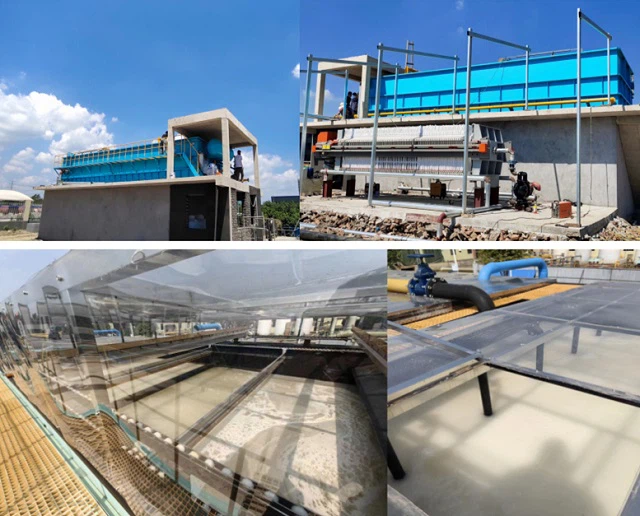
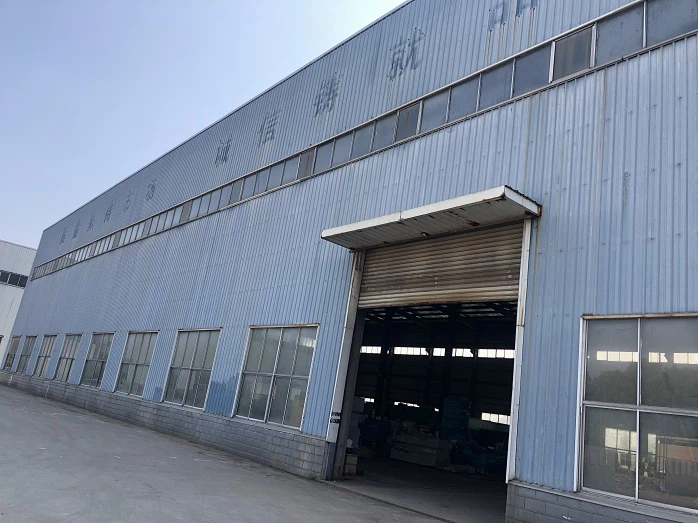
For global enterprise procurement teams, buying industrial water reuse machinery requires checking more than just list prices. It demands thorough technical vetting to ensure smooth operation within regional factory environments. Standard evaluation frameworks should include:
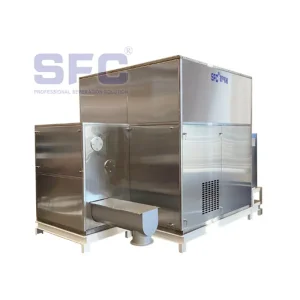
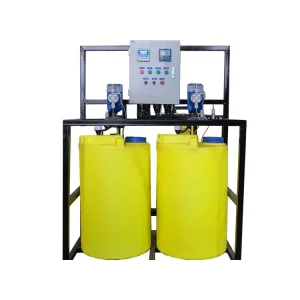
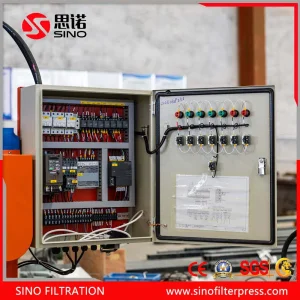
Avoid buying isolated machines. Procure full functional loops that include built-in chemical dosing control (such as Customizable Automatic Chemical Dosing Systems), mechanical separators (like Premium Disc Centrifuge Systems), and high-output final purification (such as 100m3/h Boiler Feed Water Systems). Systems must include automated PLC modules compatible with industrial control networks (e.g., Modbus, Profinet) to allow remote troubleshooting and optimize polymer consumption.
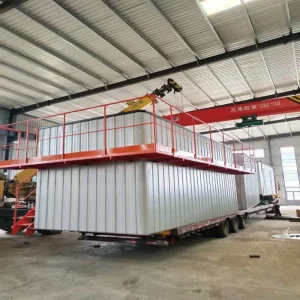
Global enterprise projects require compliance with standards like ISO 14001, AWS (Alliance for Water Stewardship), and CE/UL certifications. Ensure your manufacturing partner provides full materials traceability, welding quality reports, and pressure testing documents for all reverse osmosis housings and clarifier frames.
A low initial purchase price can easily be offset by high operating expenses (OPEX). Analyze chemical dosing requirements, power consumption per cubic meter of reclaimed water, and membrane replacement intervals. For instance, pairing a robust Belt Filter Press Dewatering Equipment with automated polymer dosing reduces polymer waste by up to 30%, which translates directly to significant yearly operating savings.
Expert answers to common technical queries on system sizing, zero liquid discharge, and chemical optimization.
Explore our range of customizable chemical dosing units, filter presses, disc separators, and high-recovery RO plants.