Olaprixa Industrial
Olaprixa Industrial
Olaprixa Industrial
Explore our custom manufactured systems engineered for premium separation, biological purification, and sludge management.
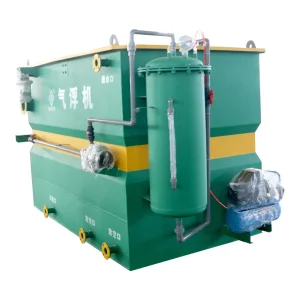
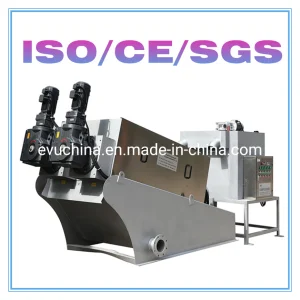
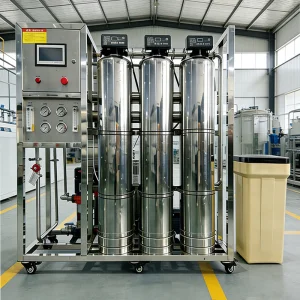
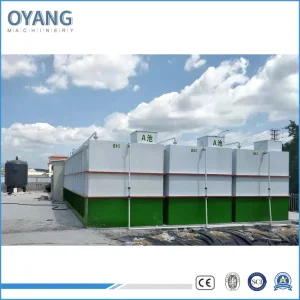
Shanghai Olaprixa Industrial Co., Ltd. is a specialized manufacturer and engineering provider focused on advanced industrial wastewater treatment solutions, integrating sludge processing systems and intelligent chemical dosing technologies. Headquartered in Shanghai, China, the company delivers efficient, reliable, and customized water treatment systems for a wide range of industries including manufacturing, chemical processing, food production, and municipal infrastructure.
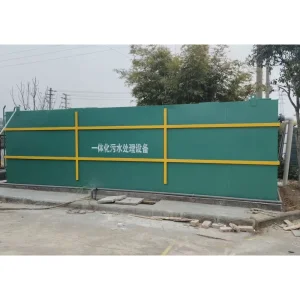
Olaprixa offers a comprehensive portfolio covering wastewater treatment equipment, sludge dewatering and thickening systems, and precision chemical dosing units designed to optimize treatment performance and operational efficiency. By combining modern process engineering with automation control, the company ensures stable system operation, reduced environmental impact, and compliance with global discharge standards.
With a strong emphasis on customization, Olaprixa provides tailored water engineering solutions based on specific project requirements, from initial consultation and system design to installation guidance and after-sales technical support. Its team of experienced engineers continuously works to enhance system efficiency, reduce energy consumption, and improve resource recovery.
Committed to sustainability and innovation, Shanghai Olaprixa Industrial Co., Ltd. aims to help global clients achieve cleaner production, water reuse, and long-term environmental responsibility through smart and cost-effective treatment technologies.
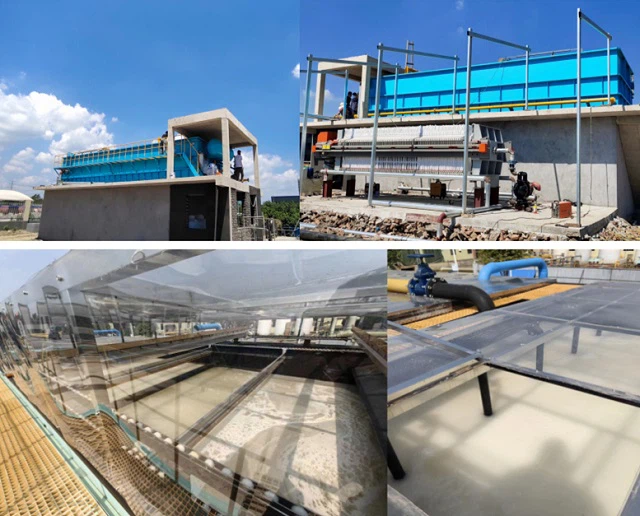
Modern wastewater regulatory directives enforce stringent limits on biological compounds, primarily Nitrogen (N) and Phosphorus (P), to halt freshwater eutrophication. E-E-A-T verified engineering calls for a multifaceted approach: Biological Nutrient Removal (BNR), Enhanced Biological Phosphorus Removal (EBPR), and chemical polishing techniques.
Leveraging a two-stage microbial sequence: aerobic nitrification converting ammonium (NH4+) to nitrate (NO3-), followed by anoxic denitrification reducing nitrate into innocuous dinitrogen gas (N2). Our systems optimize internal recycling ratios and dissolved oxygen (DO) levels to match fluctuating influent Chemical Oxygen Demand (COD).
Exploiting Accumulating Organisms (PAOs) in alternating anaerobic and aerobic phases. Under anaerobic conditions, PAOs release cellular phosphorus while sequestering volatile fatty acids (VFAs). In the subsequent aerobic phase, they consume orthophosphates far exceeding their release levels, consolidating phosphorus within the waste activated sludge matrix.
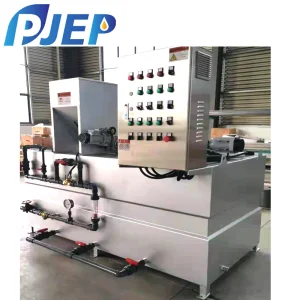
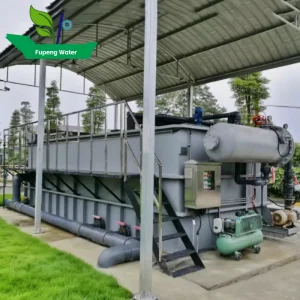
For operations targeting ultra-low discharge levels (<0.15 mg/L TP), we integrate automated chemical dosing (coagulants like polyaluminum chloride/PAC or ferric chloride). Coupled with specialized MBR membranes or high-rate DAF systems, chemical precipitation ensures zero colloidal phosphorus escape.
| Technology Profile | Nitrogen Removal Efficiency | Phosphorus Removal Efficiency | Typical Application Range |
|---|---|---|---|
| Integrated AAO + MBR System | 85% - 95% (TN < 5 mg/L) | 90% - 97% (TP < 0.2 mg/L) | Municipal Sewage & Mixed Industrial Effluent |
| Moving Bed Bio-Reactor (MBBR) | 75% - 85% (TN < 10 mg/L) | Requires Chem-P (TP < 0.5 mg/L) | Retrofits & Limited Footprint Industrial Plants |
| Advanced DAF & Dosing Integration | Physical Entrapment Only | 95% - 99% (TP < 0.1 mg/L) | High-Solid Food Processing & Chemical Effluent |
Different industrial processes yield vastly diverse municipal chemical fingerprints. Our OEM/ODM plant manufacturing adapts to these exact scenarios:
Chemical processing generates wastewater laden with refractory organic carbons, toxic aromatics, and volatile organic compounds (VOCs). Standard biological plants crumble under toxic shock loading. Our integrated bioreactors utilize specialized active biological filtration and oxidation barriers. Integrated with active bio-odor biological scrubbing, Olaprixa chemical wastewater units decompose harmful VOC compounds within closed gas phases while ensuring efficient nitrogen reduction.
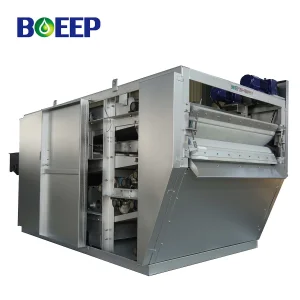
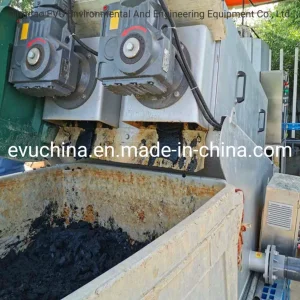
High color indexes, extreme pH fluctuations, and severe chemical oxygen demand characterize textile mills. Sludge handling is notoriously difficult due to dense inorganic particulates. Our SS304 textile mud dewatering systems utilize rugged multi-disc screw presses to compact and dewater sludge down to minimal moisture cakes, recovering process water for recycling and reducing disposal costs.
Educational campuses, regional medical centers, and decentralized tourist centers experience highly seasonal and diurnal peak hydraulic fluctuations. Olaprixa's packaged Compact MBR systems combine biological aerated filtration, UV disinfection, and membrane separation inside structural containerized packages, allowing fast installation and minimum maintenance requirements.
As a premier environmental engineering equipment manufacturer headquartered in Shanghai, Olaprixa aligns production lines with smart Factory 4.0 standards. We guarantee component traceability, precision fabrication, and reliable logistics for global contractors.
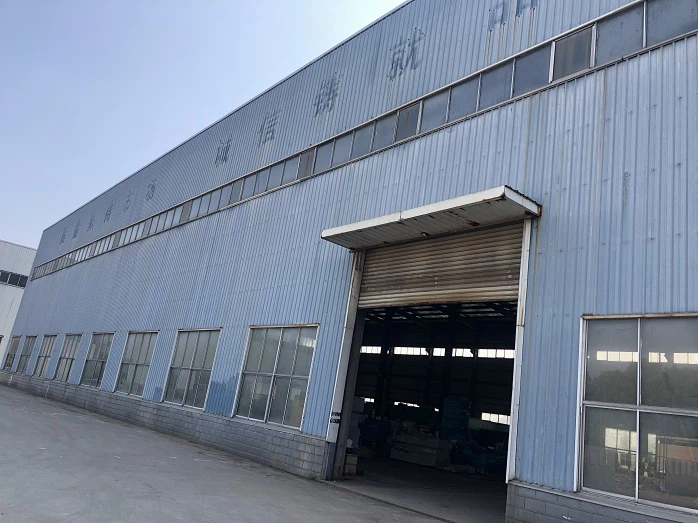
Strategic Manufacturing Location: Situated in Shanghai's industrial zone, our plant operates within a critical supply cluster. From raw SS304/SS316 sheet metal sourcing to premium PLC modules (Siemens/Schneider) and advanced aeration diffusers, our procurement timeline remains shorter than industry averages.
Dewatering frames, filter press plates, and membrane cassettes undergo stress analysis and precision laser cutting. Fully automated robotic welding ensures perfect structural seam seals, eliminating the risk of micro-fractures in biological reactor tanks or high-pressure dewatering filter plates. Post-assembly, systems undergo complete dry-run testing and pressure holds to prevent on-site mechanical issues.
The global push towards Net-Zero carbon emissions is reshaping wastewater treatment plants (WWTPs), transforming them from energy-intensive utilities into energy-generating resource recovery hubs. Our technology roadmap prioritizes resource conservation and high-efficiency operations:
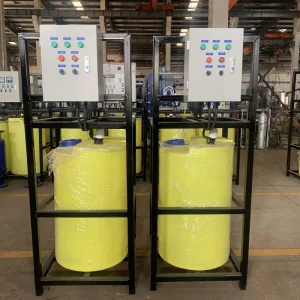
By integrating online ammonium, nitrate, and orthophosphate sensors with smart PLC feedback algorithms, chemical feeding rates adjust in real-time to match actual influent loading. This dynamic control reduces polymer and coagulant consumption by up to 25%, preventing excessive chemical sludge generation.
Aeration blowers typically consume 50-60% of a wastewater facility's electricity. We are transitioning our aerated biological systems to smart pulsated and dissolved oxygen-linked micro-bubble aeration systems. This method maintains active biofilms at reduced blower runtimes, cutting carbon footprints.
Treating effluent is no longer just about meeting discharge regulations. Incorporating advanced RO membrane filtration and multi-stage biological polishing allows factories to reclaim up to 85% of their processed wastewater for direct cooling towers and production lines.
Regulatory compliance is non-negotiable in environmental engineering. Local discharge requirements differ based on regional water vulnerabilities. Olaprixa structures its systems to align with stringent international frameworks, including the US EPA guidelines, EU Water Framework Directive, and national discharge standards across Asia and the Middle East.
Factory and Site Acceptance Protocols (FAT/SAT): Every OEM shipment includes comprehensive documentation, Material Test Reports (MTRs), electrical wiring schematics, and structural certifications. We coordinate with third-party testing agencies (SGS, TÜV Rheinland) during the factory testing phase to verify quality and safety before shipping.
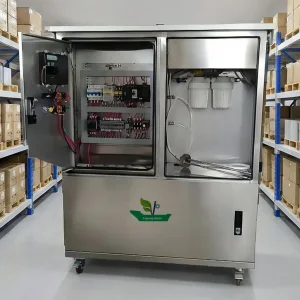
For on-site integration, our technical support engineers provide detailed layout plans and electrical interface charts to coordinate with local installation teams. Real-time remote troubleshooting modules in our PLC panels allow Shanghai-based engineers to review live process values, identify sensor issues, and adjust dosing parameters to minimize downtime.
To facilitate integration for EPC contractors and industrial buyers, Olaprixa employs a structured four-stage engineering and production workflow:
Clients supply raw water parameters: COD, BOD5, Total Suspended Solids (TSS), Total Nitrogen (TN), Total Phosphorus (TP), temperature ranges, and regulatory discharge limits. We review chemical compositions to check for potential toxicity risks.
Engineers perform biological sizing calculations using simulated hydraulic models to estimate sludge yield, sludge age (SRT), oxygen demand, and membrane surface requirements. CAD layouts and P&ID diagrams are generated for review.
Following design approval, structural fabrication begins using high-grade stainless steel or corrosion-resistant polymers. Control panels are wired to IP65 standards, featuring integrated HMI interfaces and communication protocols like Modbus/TCP.
Completed plants undergo full-load wet testing at our facilities. Systems are securely packed in heavy-duty wooden framing or shipping containers, accompanied by operations manuals and comprehensive maintenance kits.
Expert engineering answers addressing design limits, system integration, and operation of nutrient removal plants.
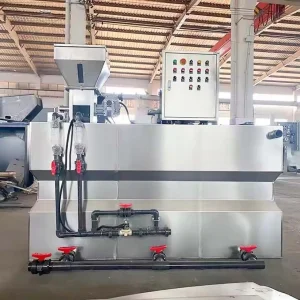
Ensure stable chemical preparation, precision delivery, and secondary solids removal with our dynamic integration packages.